









TRX vs Traditional Weights: Which Is Better for Home Strength Training?
Comparing TRX suspension training and traditional free weights reveals clear differences in versatility, muscle engagement, and accessibility. While both methods effectively build strength, each suits different fitness goals and environments. Understanding these distinctions helps home fitness users choose the best option for their needs and space.
You want to build strength at home, but the options feel overwhelming. Maybe you’re tired of crowded gyms or you simply don’t have the space for bulky equipment. You search for solutions, only to get lost in debates about resistance bands, dumbbells, kettlebells, and now, TRX suspension trainers. It’s easy to feel stuck, wondering which setup will actually help you progress—especially if you’re new to strength training or worried about wasting money on the wrong gear. The question nags at you: TRX vs traditional weights— which is better for your goals, space, and budget?
There’s nothing more frustrating than feeling ready to take charge of your fitness, but not knowing where to start. Maybe you’ve seen TRX workouts online and noticed their minimalist approach, but you’re unsure if they can really deliver results like classic dumbbells or barbells. You want clear guidance, not jargon or endless opinions. Understanding the actual differences between TRX and traditional weights is your first step toward building a home routine that fits your life—and finally seeing progress without confusion or regret.
- TRX training emphasizes functional strength and stability.
- Traditional weights allow precise muscle targeting and progression.
- TRX is portable and requires minimal space.
- Weights offer broader load customization for advanced users.
- Both methods can be combined for balanced results.
What Are the Core Differences Between TRX and Traditional Weights?
When comparing TRX to traditional weights, the most fundamental difference is the type of resistance each system uses. TRX relies on suspension straps and your own bodyweight, which means you adjust the challenge by changing your body angle or position. In contrast, traditional weights like dumbbells and barbells use external loads, allowing you to choose precise increments—whether that's a pair of 10 lb or 40 lb REP Fitness Hex Dumbbells. This distinction affects how each tool targets your muscles and how you progress over time.

TRX stands out for its focus on functional, full-body movements. Every exercise on the straps demands core stability, balance, and coordination. The inherent instability makes even basic motions—like push-ups or rows—more challenging, engaging multiple muscle groups simultaneously. This means that a 20-minute TRX session can train your core, back, and legs together, with fewer isolated moves than a traditional routine.
On the other hand, traditional weights are ideal for isolating specific muscles and tracking your progress with hard numbers. If you want to build bicep strength, for example, you can perform 3 sets of 10 dumbbell curls with a chosen weight and easily add 2.5 lbs when ready. Barbell exercises let you load as much as your skill and safety allow, making incremental growth straightforward. This approach is especially useful for those aiming for muscle hypertrophy, as you can precisely control the load and volume.
Another key difference is the level of stability each system provides. TRX workouts intentionally create instability, forcing you to stabilize your joints and core on every rep. This can improve coordination and joint health, but it also means you might fatigue faster or struggle to isolate a single muscle. Traditional weights, by contrast, ground you to the floor or bench, making it possible to focus on strict form and maximum load. This can be crucial if you're rehabilitating an injury or working toward a specific strength goal.
Progression looks different, too. With TRX, you progress by changing your body position, increasing time under tension, or adding more complex movements. While this offers variety, it lacks the rigid, measurable increments of adding a plate to a barbell. For some, this makes tracking gains trickier. With traditional weights, progression is as simple as adding 5 lbs to your next session, which is motivating for many and easy to document.
One mistake beginners make is assuming TRX can't build real strength because it doesn't use heavy weights. In reality, TRX can be brutally tough if you master advanced moves like single-leg squats or atomic push-ups. Conversely, some people use traditional weights but never adjust their routine or increase weight, stalling their progress. Both tools require intentional progression and good form to deliver results, so be honest about your goals and how you plan to reach them.
Which Method Builds Strength More Effectively?
"I believe traditional weights are the only way to get stronger." That's not entirely accurate. Traditional weights like dumbbells and barbells do let you increase resistance in exact increments—often as little as 2.5 lbs per workout. This makes it simple to track progress in strength and muscle mass, especially for classic lifts like squats and presses. Rep Fitness Hex Dumbbells, for example, offer single-pair options ranging from 5 lbs up to 100 lbs, giving you plenty of room to grow stronger at home.

"TRX bands can't build real strength like weights do." This is a misconception. TRX suspension training boosts strength through compound, bodyweight-driven movements that demand stability and control. While you can't load up a TRX row with a specific number of pounds, your body recruits multiple muscle groups as you adjust your angle to make each rep harder. According to the TRX Functional Training Course, these movements not only increase strength but also challenge your balance, coordination, and core stability in ways traditional weights don't always replicate.
When you compare TRX to traditional weights for strength-building, the difference comes down to how you apply resistance and which type of strength you want to develop. Free weights let you target maximal strength, because you can keep adding load as you get stronger. For example, after mastering 8 reps of a 20-lb dumbbell curl, you can move up to 25 lbs and keep progressing. This precise increase is key for muscle growth (hypertrophy) and strength. In contrast, TRX systems use your own body weight as resistance and allow you to modify difficulty by changing your body angle. While you can't measure load as exactly, you still push your limits by working at more challenging positions.
TRX stands out for building functional strength and core stability. Every TRX exercise, from push-ups to lunges, recruits your core and stabilizers to prevent swinging or sagging. This means you're training your body to move as a unit, which translates to better balance and athleticism for daily activities. Traditional weights do this too if you use free weights and compound lifts, but machines often isolate muscles without much core involvement.
One mistake to avoid: treating TRX and traditional weights as mutually exclusive. Many effective home programs blend both tools. For example, use dumbbells for heavy presses and rows, then finish with TRX mountain climbers or planks for total-body challenge. If you only use one method, you might miss out on the unique benefits of the other. Remember, the best approach depends on your personal goals, available space, and current fitness level.
"TRX training is effective for improving core stability and balance."True
TRX suspension exercises engage stabilizer muscles and require balance, making them highly effective for improving core strength and coordination. This functional approach targets muscles throughout the body, not just isolated groups.
"Traditional weights are always better for building strength than TRX."False
While traditional weights offer precise load increases and muscle isolation, TRX provides functional strength gains and can be effective for many users. The best choice depends on individual goals, space, and fitness level.
Is TRX or Traditional Weight Training Better for Home Gyms?
Choosing between TRX and traditional weight training for your home gym depends on your space, goals, and how you like to train. TRX suspension trainers are lightweight, with most sets weighing under 2 pounds and packing down to the size of a small bag. You can anchor them to a door, tree, or ceiling beam in less than 2 minutes, making TRX a top pick if you work out in tight spaces or need to tidy up quickly. If you travel often or your workout area doubles as your living room, TRX is about as convenient as it gets.
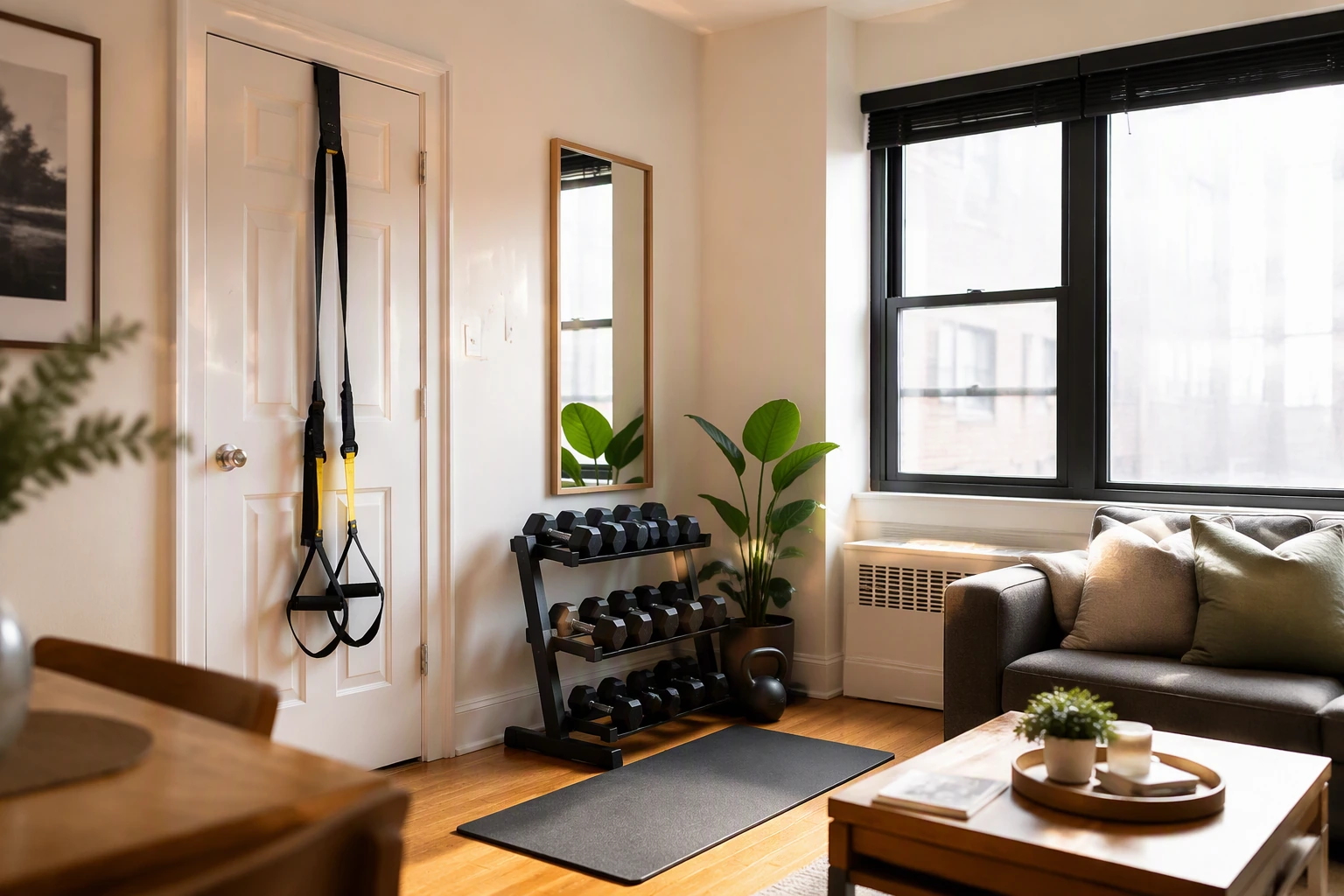
Traditional weights—think dumbbells, kettlebells, or barbells—require more permanent floor space and sturdy storage. Even a basic pair of adjustable dumbbells can take up a couple of square feet, and a full set can easily fill a closet. If you have a dedicated workout room or garage, this might not matter, but for small apartments or shared spaces, storing multiple weights can turn into a hassle. Budget is another factor: a starter TRX kit costs about $200, while building a decent weight collection can run $300 or more, depending on the range and brands.
TRX excels at functional, bodyweight-based movements. Exercises like suspended pushups, rows, planks, and squats use your own body as resistance. This style of training engages multiple muscle groups at once and challenges your balance and core with every rep. If you want a single piece of gear that covers everything from upper body to legs and core, TRX is a solid investment—especially if your goal is general strength and fitness. For beginners or anyone not keen on lifting heavy metal, starting with TRX can feel less intimidating.
Traditional weights, on the other hand, are unbeatable for progressive overload and muscle isolation. With dumbbells or a barbell, you can add weight in small increments, track your lifts, and target specific muscles—like biceps, triceps, or hamstrings—with precise control. This makes traditional weights better for building muscle size and strength over time. If you’re serious about strength gains or want to follow classic routines like bench press or deadlift, weights let you dial in the exact resistance you need. Remember, though, you’ll want to consider your floor’s weight capacity before stacking up heavy plates, especially in an upstairs apartment.
For example, if you want to focus on isolated biceps curls or heavy deadlifts, you’ll need traditional weights. But if your goals are more about overall fitness, mobility, or convenience, TRX is hard to beat. Some home gym owners even combine both: a TRX for travel or quick workouts, and a few adjustable dumbbells for targeted muscle work. Just be realistic about how much space you have and how much you want to spend—there’s no one-size-fits-all answer.
How Do TRX and Weights Compare for Injury Prevention and Accessibility?
"TRX keeps you safer than free weights." For many home users, this is true—especially if you train alone. TRX exercises use your bodyweight and suspension straps to guide your joints through natural, controlled ranges of motion. When you adjust your foot position or angle, you control the load easily and reduce the risk of overstressing your joints. This makes TRX a reliable choice for people worried about injury prevention or returning to exercise after a layoff.

"Lifting weights is always more dangerous than using TRX." That's not quite right. While weights can pose a higher injury risk, especially if you use poor form or choose loads you can't handle, smart programming and good technique make traditional weights safe for most people. A set of REP Fitness Hex Dumbbells with ergonomic handles, for instance, gives you plenty of grip security. The real risk comes when you push too heavy, skip warm-ups, or rush through reps. If you're new, aim for lighter weights—like 10-15 lbs for upper body—until you master your form.
Injury prevention isn't just about the tools—it's about how you use them. TRX straps force you to stabilize your core and move with control, which is great for joint health. A push-up on TRX, for example, demands more shoulder stability than a standard push-up on the floor. If your goal is to protect your shoulders or knees, the instability of TRX exercises helps strengthen the small stabilizing muscles that often get neglected with machines or heavy weights. You can train for 20-30 minutes, focusing on form, and still challenge your muscles without risking a strain.
Accessibility is where suspension trainers like TRX really shine. The system adapts to almost any fitness level. If you're just starting, you can make exercises easier by stepping closer to the anchor point, reducing the resistance. On the other hand, traditional weights require you to pick up the right dumbbell or adjust plates, which isn't always practical if you don't have a wide range of weights at home. TRX works well for older adults, teens, or anyone rehabbing an injury—no need to lift heavy, just change your angle or stance for less intensity.
That flexibility matters if you have mobility limitations or are nervous about lifting. Think of TRX like chair yoga, which Yoga Basics notes can be modified for all ages and abilities. You're not locked into rigid movements or set weights, so you're less likely to overdo it or push through pain. Beginners can safely practice squats, rows, or lunges for 2-4 sets of 10-15 reps without the intimidation factor of barbells or kettlebells.
Where weights often require a coach or spotter—especially for lifts like bench press or overhead press—TRX lets you experiment with new moves at your pace. If you lose balance, you simply stand up and reset; you're not pinned under a bar or dropping a dumbbell. Focus on slow, steady reps and stop if you feel discomfort. Consistency and attention to detail will protect your joints far more than chasing a new personal record.
"TRX equipment is more portable and requires less space than dumbbells or barbells."True
TRX straps can be anchored to doors or beams and stored compactly, making them ideal for home gyms with limited space. Dumbbells and barbells require more storage and dedicated workout areas.
"You can't build muscle using TRX suspension training."False
TRX enables bodyweight resistance exercises that stimulate muscle growth, especially in beginners or those focusing on functional strength. While maximal hypertrophy may be easier with heavy weights, TRX can still promote muscle gains.
What Should You Consider When Choosing Equipment for Your Fitness Goals?
When deciding between TRX and traditional weights for your home strength training, start by thinking about your actual space, budget, and what you want out of your workouts. If you live in a smaller apartment, TRX offers a big advantage—it takes up less than a square foot when stored, and you just need a sturdy door or anchor point. In contrast, even a basic set of dumbbells or a bench can easily eat up several square feet, especially if you want a range of weights for progressive overload. If space is tight, TRX may be your best pick for versatility and footprint.
Budget is another key factor. TRX Home2 System costs around $200 and includes everything you need to get started. Traditional weights vary a lot in price, but a set of REP Fitness Hex Dumbbells (for example, 10 to 50 lbs in 5-lb increments) can quickly add up to $400 or more. If you're aiming to train your entire body with progressive resistance, you'll likely need several pairs. Meanwhile, TRX offers hundreds of bodyweight exercises for one flat price, though some users eventually want to add weights for extra challenge.
Think about the type of training you enjoy and what fits your goals. TRX suspension training shines for functional, full-body movements—think rows, planks, and single-leg squats that challenge your core and stabilizers. According to the TRX Functional Training Course, these movements help you build foundational strength and coordination. Traditional weights work best when you want to isolate and target specific muscles, like biceps curls or bench presses, where you can increase resistance in precise increments. If you crave variety, mixing both can keep your routine fresh and prevent plateaus.
Combining TRX with weights can actually give you the best of both worlds. For example, use TRX for bodyweight exercises and stabilization, then switch to dumbbells for heavier compound lifts and isolated work. A balanced program might include 20 minutes of TRX core and mobility work, followed by 20 minutes of free weights for upper and lower body pushes and pulls. You don't need to choose one or the other; many home gyms make space for both, rotating them based on the day's focus.
Durability and ergonomic design are worth paying attention to, especially if you train several times a week. Look for reputable brands with solid construction—TRX is well-known for its high-quality straps and anchors, while brands like REP Fitness offer ergonomic handles on their dumbbells, which can help prevent wrist and hand fatigue during longer sessions. Avoid going for the cheapest options, as poorly made equipment can wear out quickly or even pose a safety risk.
Before you buy, map out your available space, set a clear budget, and list your top three training goals. Ask yourself whether you enjoy more dynamic, functional training or prefer to focus on building specific muscles. Consider starting with one system and adding the other as your needs evolve. Carefully read user reviews and check return policies—durability and comfort can make or break your motivation to train consistently. In the end, your ideal setup is the one that fits your space, supports your goals, and keeps you excited to move.
FAQ
Can beginners use TRX or traditional weights safely at home?
Beginners can use both safely if they follow proper technique and start with manageable resistance. TRX is generally easier to set up and adjust for different fitness levels, while weights require careful selection and supervision.
How much space do I need for a TRX setup compared to weights?
TRX setups need only a sturdy anchor and a few feet of clearance, making them suitable for small rooms. Traditional weights require a rack or storage area and more floor space for exercises.
Is it possible to combine TRX and weights in one workout?
Yes, combining TRX and free weights allows you to benefit from both functional stability and targeted muscle strength. Many routines alternate between suspension and weighted exercises for balanced results.
Are there specific brands or products recommended for TRX or weights?
For TRX, official TRX Training products are widely recognized. For weights, REP Fitness Hex Dumbbells offer ergonomic handles and a range of weights suitable for home use.
Does TRX training help with weight loss compared to traditional weights?
Both TRX and traditional weight training can support weight loss by increasing muscle mass and calorie burn. The best results occur when combined with a balanced diet and consistent exercise routine.
Related Products
Practical VVZIO equipment that matches the training focus of this article.
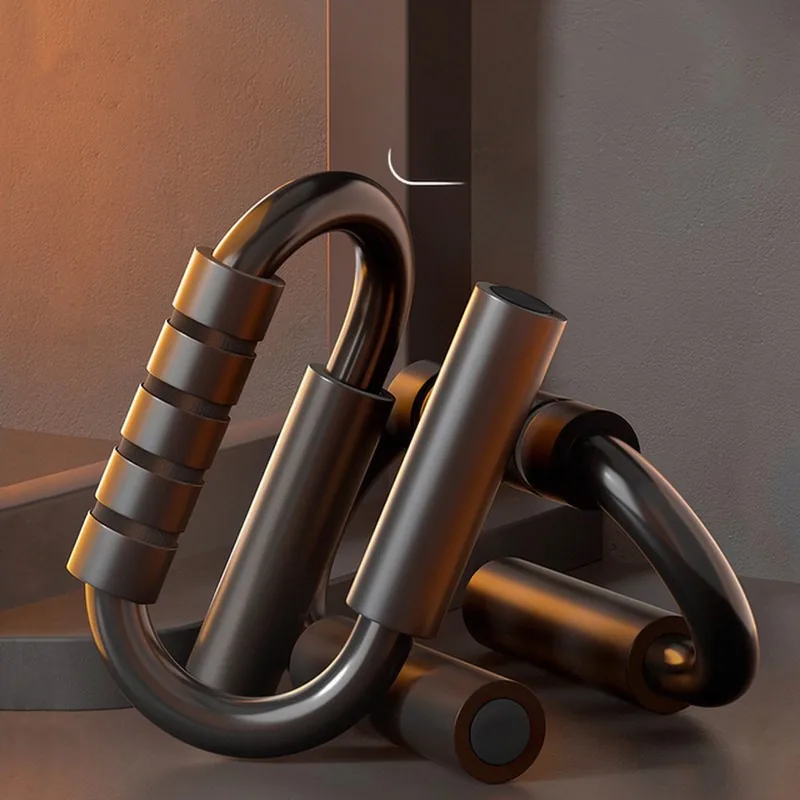
Ergonomic Push-Up Bars for Chest and Triceps
Push-up bars support bodyweight strength training similar to TRX, emphasizing chest, triceps, and core engagement in a compact home setup.
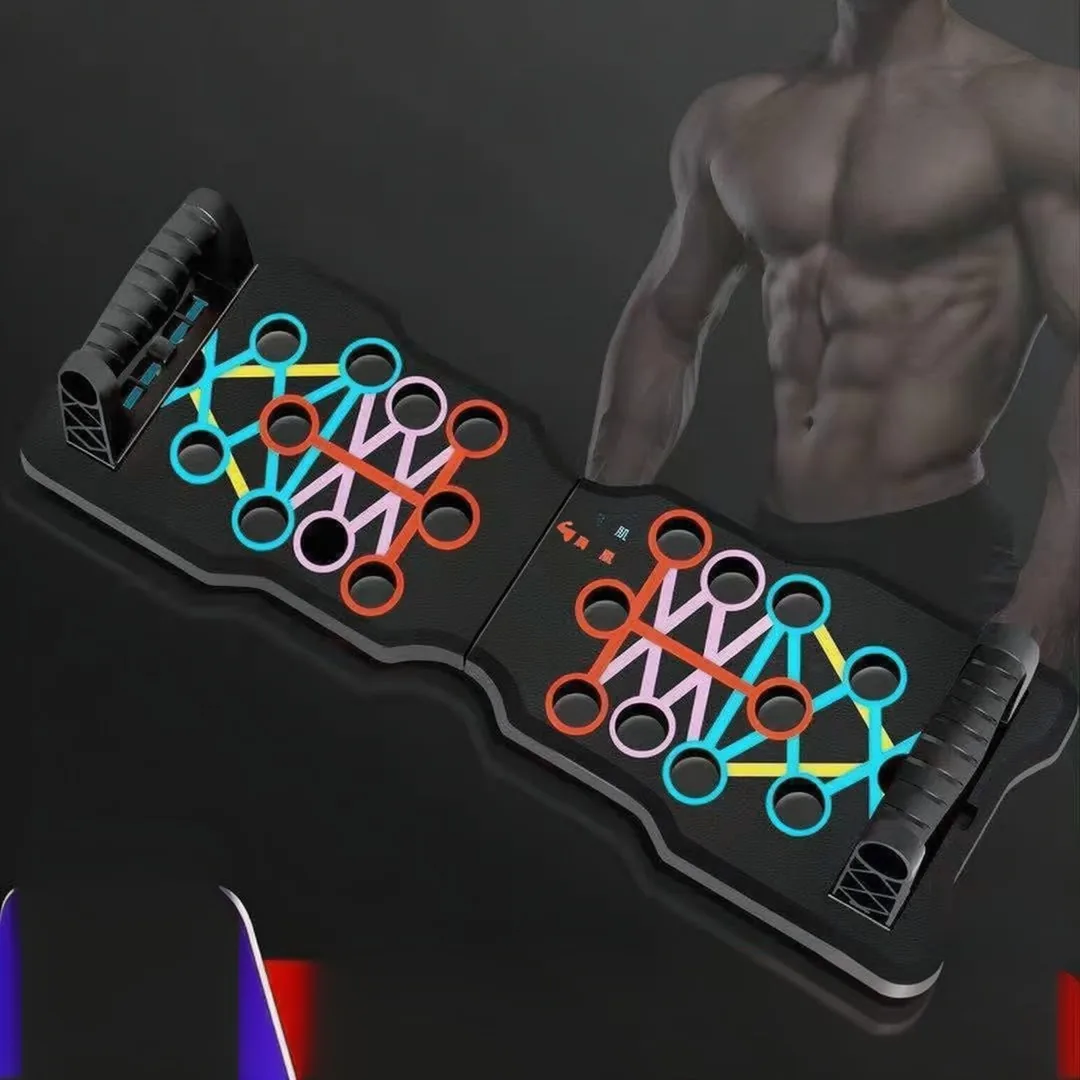
Multifunctional Push-Up Board Set with Workout Accessories
The multifunctional push-up board set enables targeted strength training at home, paralleling the versatility and muscle targeting of both TRX and traditional weights.
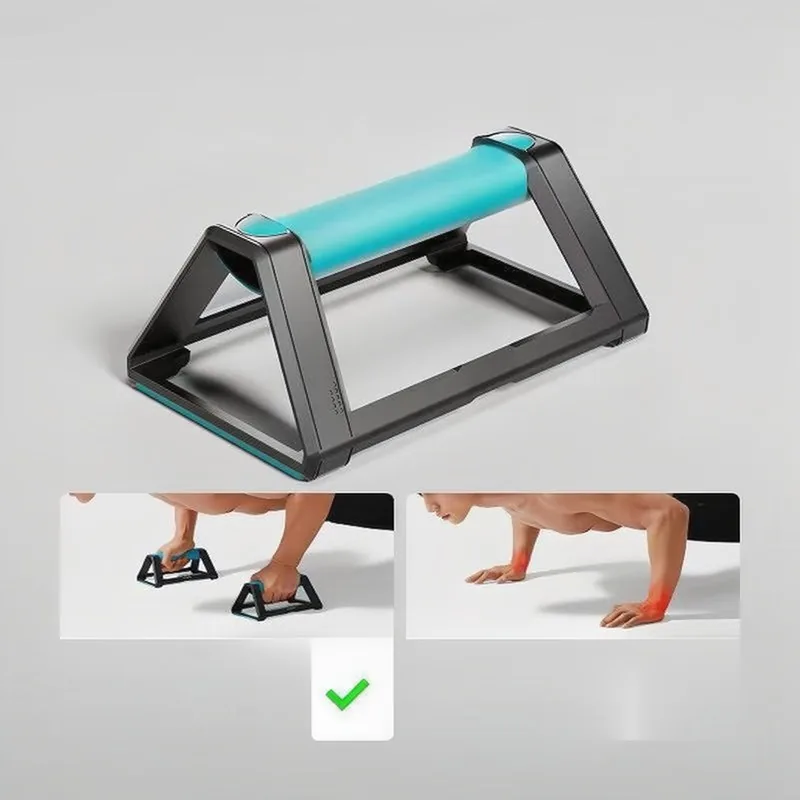
S-Type Push-Up Bars Set for Chest and Core Training
S-Type push-up bars allow deeper chest and core activation, aligning with the article's focus on functional, bodyweight-based strength routines for home fitness.
Related reading

Benefits of Using a Hangboard for Climbers: Strength, Versatility, and Practical Tips
Hangboards are specialized training tools that help climbers build finger and grip strength, making them essential for improving…Hangboard Training: The Ultimate Secret to Progress for Climbing Beginners
Hangboard training is a highly effective way for climbing beginners to build grip strength and accelerate progress. By…The Cliff at Your Fingertips: How a Hangboard Unlocks Your Climbing Potential
A hangboard offers climbers a practical way to build grip strength and finger endurance, both crucial for tackling…