









Is an Expensive Cardio Machine Worth It? What to Know Before You Buy
Deciding whether an expensive cardio machine is worth the investment depends on your fitness goals, space, and long-term use. This article breaks down the real benefits, common misconceptions, and practical factors to consider before buying. You'll get clear guidance on performance, durability, and alternatives, so you can confidently decide if a high-end cardio machine fits your home workout routine.
If you’ve ever stood in a fitness store or scrolled through endless online listings, you know the feeling: sticker shock from high-end cardio machines. You want to start working out at home, but are left wondering, is an expensive cardio machine worth it? Maybe the treadmill or bike on your wish list costs more than your monthly rent, and you’re unsure if the investment matches your actual needs. It’s easy to get caught up in flashy features and promises of quick results, even as doubts creep in about whether you’ll use it enough to justify the price.
As a beginner, you may worry about making a costly mistake. Will a premium machine help you stay motivated, or will it end up collecting dust after a few weeks? The pressure to choose wisely is real—especially when every dollar counts and you want lasting results. Before you commit, it’s important to understand who truly benefits from these expensive machines and whether your fitness goals align with what they offer. Otherwise, you risk wasting money and space on equipment that’s more hype than help.
- High-end cardio machines offer durability and extra features
- Consider your workout habits and available space
- Long-term use may justify the upfront cost
- Less expensive options can meet many fitness needs
- Test machines before buying when possible
Who Should Consider an Expensive Cardio Machine?
If you’re wondering “is an expensive cardio machine worth it,” start by thinking about your specific fitness needs. If your goals include advanced training, injury prevention, or long-term convenience, a high-end machine could make sense. Expensive models often offer features like customizable resistance, heart rate monitoring, and integrated workout programs. These features can help you track progress, adjust intensity on the fly, and stay motivated over months or even years.

Durability is another reason to consider a premium option. If you plan to use your cardio equipment five or more times per week, or share it with family, the build quality becomes vital. Budget treadmills or bikes might last one to three years with heavy use, while commercial-grade machines are built to endure daily workouts for five or more years. If you’re training for events or maintaining year-round fitness, the long-term reliability can justify the upfront cost.
There’s a noticeable difference in user experience between lower-priced and high-end cardio machines. With a $400 treadmill, you may get a shaky running surface, limited speed settings, and noisy motors. Compare that to a $2,000 model that offers smooth operation, a quiet belt, and cushioning that reduces joint impact. For elliptical trainers or rowers, pricier versions often provide natural motion, ergonomic handles, and advanced feedback on metrics like stroke rate or stride length. The more enjoyable and comfortable the workout, the more likely you are to use the machine consistently.
Household size also matters. If two or more people will use the cardio machine daily, cheaper models may wear out quickly or develop issues like belt slippage and resistance failure. Investing in a sturdier, higher-end unit prevents headaches and costly repairs. Consider frequency, too: a single person using a bike twice a week can get by with a less expensive option, but a family of four using it daily will notice the difference in quality right away.
Specialized workouts and tech features are another factor. If you want interactive programs, Bluetooth connectivity, or the ability to sync with fitness apps, most budget models fall short. Many high-end machines offer built-in screens, app integration, and real-time performance tracking. These can make interval training, virtual classes, or goal-based routines more engaging and measurable—features that can transform home workouts from a chore to a highlight of your day.
Before you commit, weigh how much you value those extras. If you love tracking stats, crave variety, or need adaptive workouts for evolving fitness levels, a pricier machine is more likely to meet your expectations. On the other hand, if your needs are basic and you’re just looking for a way to move more at home, a budget option might be sufficient. Think carefully about your goals and usage patterns to avoid buyer’s remorse.
What Makes a Cardio Machine Expensive?
When you ask, "What makes a cardio machine expensive?" the answer starts with build quality, technology, and brand reputation. High-end machines use sturdy materials like commercial-grade steel frames, precision bearings, and reinforced components. These upgrades can push a treadmill or elliptical from a $500 budget model up to $2,500 or more, mainly because they last longer and handle heavier use. If you plan on daily sessions or want your equipment to survive years of HIIT, build quality matters more than flashy extras.

Advanced technology is a second major cost driver. Premium cardio machines often feature integrated touchscreens, Bluetooth connectivity, and smart app compatibility. For example, a modern treadmill at $2,000 may offer a 10-inch HD touchscreen, live streaming classes, and heart rate tracking, while a basic $600 model sticks to manual controls and a simple LCD display. The value here depends on your workout style. If interactive coaching and entertainment keep you motivated, these features can genuinely improve your consistency and results.
Brand reputation plays a big part in price, especially for names like NordicTrack or Peloton. These brands charge more due to proven reliability, customer support, and community features. You might pay $1,800 for a Peloton Bike+ compared to $600 for a generic spin bike, but you're also buying access to exclusive content and a responsive warranty. Don’t assume a high price always means better quality, though—some brands charge extra just for the logo, not for real performance gains.
Materials and manufacturing techniques directly impact durability and price. Machines built with thick-gauge steel, high-torque motors, and sealed bearings cost more because they resist wear and tear. Cheaper models often cut corners with plastic joints, low-watt motors, or fewer welds, which can lead to breakdowns after a few months. Mistakes to avoid include buying a lightweight machine for intense daily use; it may wobble or break under your routine. Always check the max user weight and look for reinforced frames if you want longevity.
Some features really do enhance workout value. Adjustable incline and resistance, quiet drive systems, and ergonomic design add to your experience and results. Connectivity options like WiFi, app integration, and live coaching can boost motivation, especially if you thrive on structured programs. However, extras like oversized cup holders, built-in fans, or speakers rarely justify a price jump. Focus your investment on features that make workouts safer, more engaging, or more effective—not just ones that look cool in the showroom.
Warranty terms are often overlooked but can be a hidden value driver. Premium machines may offer five-year parts and labor coverage, while budget models stick to one year or less. A longer warranty is a sign of manufacturer confidence and can save you hundreds in repair costs. Before you decide if an expensive cardio machine is worth it, make sure the premium price covers features and durability that actually benefit your workouts—not just status or style.
"Expensive cardio machines tend to last longer than cheaper models."True
Higher-end cardio machines often use more robust materials and better construction, leading to greater durability and a longer service life, especially with frequent use. This can reduce long-term replacement costs and downtime.
"All expensive cardio machines automatically give better workouts than affordable ones."False
Price does not guarantee a better workout. Many affordable machines can provide effective cardio sessions if they match your needs and are used consistently. The value depends on your goals and usage, not just the price tag.
Is an Expensive Cardio Machine Worth It for Most Home Gyms?
If you’re trying to decide whether an expensive cardio machine is worth it for your home gym, start by thinking about how much you’ll really use it and what you need it to do. High-end machines often cost $2,000 or more, but the real value comes from their performance, durability, and features that match your fitness goals. For example, a premium treadmill might offer a more powerful motor—like 3.0 CHP compared to 1.5 CHP on budget models—which supports smoother running at higher speeds and can handle daily 45-minute runs for years. If you plan to run several times a week and need the machine to last five years or more, that extra upfront cost can actually save money and frustration down the line.

Versatile machines, such as high-end ellipticals with multiple stride lengths or units that include rowing, cycling, and stepper motions in one frame, can justify a bigger investment if you want variety. The REP Fitness Ares 2.0 cable machine, for example, stands out because it adapts to many exercises, supporting both cardio and strength training in a compact footprint. If you crave workout variety and plan to share the machine with family members who have different goals, a versatile model can reduce the need to buy extra equipment. On the other hand, single-purpose machines—like basic air bikes or compact steppers—might be all you need if your routine is simple and you stick to one type of cardio for 20-30 minutes per session.
For many home gyms, a mid-range or used machine can do the job without breaking the bank. Quality used treadmills or rowers often cost $500 to $900 and can provide solid performance if you inspect for wear and test the electronics before buying. Mid-range new units typically last 3–5 years with moderate use (three 30-minute sessions per week) and include essential features like heart rate tracking and basic interval programs. If your workouts are less frequent, or you’re testing out home fitness before committing, there’s little reason to jump straight to a $2,500 unit.
The most important factor is matching your purchase to how you’ll actually use the machine. A feature-packed elliptical isn’t worth the cost if it turns into an expensive clothes rack after a few months. Be honest about your routine—track your current weekly workouts and set a minimum usage goal, such as three 30-minute sessions per week. If you’re committed to frequent, intense use and want a machine that can keep up, a higher price tag may pay off. Otherwise, save your budget for weights, mats, or online training that you’ll actually enjoy and use consistently.
Are There Cheaper Alternatives That Still Work?
If you're wondering “is an expensive cardio machine worth it,” you should know there are plenty of budget-friendly alternatives that can help you reach your fitness goals. Jump ropes often cost less than $20 and give you a powerful workout in just 10-15 minutes. Bodyweight circuits—think squats, push-ups, and burpees—require zero equipment and can be structured for high-intensity cardio, like doing three rounds of 20 reps per exercise with minimal rest. Secondhand equipment, such as treadmills or stationary bikes, can often be found for under $200 on online marketplaces, though it's wise to check the condition before buying.

Compact or lower-cost machines, like mini steppers ($50-$100) or foldable exercise bikes ($150-$300), fit easily into small apartments and budgets. These machines usually offer basic resistance and simple displays that show time, speed, or calories burned. However, they often lack advanced tracking features—like heart rate monitoring or Bluetooth connectivity—and may feel less stable during intense sprints. Comfort can be an issue too, especially with smaller pedals or seats, which might not suit everyone for longer sessions.
Durability is a clear trade-off when choosing cheaper equipment. An entry-level treadmill might last for two to three years with moderate use, while a high-end model could survive five or more. The materials and build quality often mean more frequent maintenance or repairs, especially if you're doing daily workouts. Lower-cost machines sometimes develop squeaks or instability, and warranties are usually shorter—one year compared to three or more for premium brands.
If you value detailed tracking or want a smoother, quieter ride, expensive cardio machines offer those perks. But for many, budget-friendly options deliver results without the hefty price tag. For example, jump rope routines can help you burn 200 calories in 15 minutes, while a $100 stepper can support daily low-impact exercise. You might miss out on built-in programs and entertainment features, but you still get the cardiovascular benefits. The key is consistency and choosing equipment you’ll actually use.
Before committing to any purchase, try different equipment at a gym or ask friends if you can test theirs. Some retailers offer 30-day returns, so you can experiment at home with minimal risk. Pay attention to how comfortable and motivating the equipment feels, and whether you can realistically fit it into your routine and space. Avoid buying purely on price or flashy features; instead, focus on what matches your needs and fitness goals. Whether you opt for a $20 jump rope or a $2,000 elliptical, lasting results come from regular use and finding what keeps you moving.
"Some expensive cardio machines offer technology that can enhance motivation and track progress."True
Higher-priced models often include features like interactive screens, app integration, and advanced performance tracking, which can help users stay engaged and monitor improvements over time.
"Buying the most expensive cardio machine is always the best choice for everyone."False
The best machine depends on individual needs, available space, and workout preferences. An expensive model may offer more features, but it is not automatically the right fit for every user or home gym.
How Can You Get the Most Value from a Cardio Machine Purchase?
"I believe testing a cardio machine in-store is necessary before buying." True. Trying out a treadmill or elliptical in person lets you see how it feels and check the build quality. Spending 10–15 minutes on different settings reveals whether it's noisy, stable, and comfortable for your stride.
"I think reading online reviews is unnecessary if the machine looks good." False. User reviews and independent tests often reveal reliability issues or quirks that sales reps won’t mention. For example, some models have recurring belt alignment problems after 100 hours of use; independent reviewers from Garage Gym Reviews frequently highlight these details.
The best way to get value from your cardio machine purchase is to combine smart buying practices with thoughtful planning and regular maintenance. Start by visiting local fitness stores, where you can test machines for at least 10 minutes on both low and high settings. Pay attention to noise levels, stability, and how the controls feel under your hands. Ask about warranty coverage—aim for at least two years on parts and labor—so you’re protected against early breakdowns. Independent reviews from sources like Garage Gym Reviews help you spot long-term issues; check for complaints about motor failures, console glitches, or hard-to-find replacement parts.
Before you buy, take exact measurements of your workout space. Most treadmills and ellipticals require a footprint of at least 72 x 36 inches, plus extra clearance for safe movement. If you’re in an apartment, measure doorways and hallways to ensure the machine will fit during delivery. Plan for storage of accessories such as mats, resistance bands, and cleaning supplies. Good maintenance extends the life of your equipment—wipe down moving parts after each session, vacuum underneath monthly, and lubricate belts or tracks every 3–6 months as recommended by the manufacturer.
Getting the most from your machine means integrating it into a varied routine. Mix up your cardio with interval sessions, steady-state runs, and cross-training days—try alternating 20 minutes of treadmill intervals with strength work on cable machines like the REP Fitness Ares 2.0. Check your machine’s compatibility with accessories such as heart rate straps, tablet holders, or Bluetooth speakers, which can expand your workout options and boost motivation. Many machines sync with fitness apps for tracking progress, letting you set goals and analyze performance. Avoid the common mistake of sticking to just one type of workout; variety improves results and keeps you engaged long term.
"I believe planning space and storage for a new cardio machine is critical." True. Measuring your available area and considering storage for accessories prevents frustration and safety hazards. You’ll need at least 72 x 36 inches for most machines, plus extra room for movement and cleaning.
"I think you can ignore maintenance on cardio machines because they’re built to last." False. Regular upkeep is essential—cleaning, lubricating, and checking for wear every month or so helps avoid costly repairs. Neglecting maintenance can shorten the lifespan of even the most expensive equipment.
FAQ
How much should I spend on a home cardio machine?
Most home users spend between $500 and $2,000 on a cardio machine, balancing quality, features, and budget. More expensive machines may offer better durability or technology, but consider how often you'll use it and which features matter most to you.
Do expensive cardio machines burn more calories?
The calorie burn depends on your effort and workout intensity, not the price of the machine. A basic machine can help you burn as many calories as a premium one, provided both allow for similar exercise intensity.
What features should I look for in a high-end cardio machine?
Look for features like sturdy construction, adjustable resistance, interactive screens, built-in workout programs, Bluetooth connectivity, and long warranty periods. Choose features that genuinely support your fitness goals.
Are warranties better on expensive cardio machines?
Many high-end cardio machines offer longer or more comprehensive warranties, sometimes covering key parts for several years. Always check the warranty details before purchasing, as terms vary by brand and model.
Can I get similar results from cheaper cardio equipment?
Yes, you can achieve strong fitness results with less expensive equipment or even bodyweight exercises, as long as you exercise consistently and challenge yourself. The most important factor is sticking to a routine that fits your lifestyle.
Related Products
Practical VVZIO equipment that matches the training focus of this article.
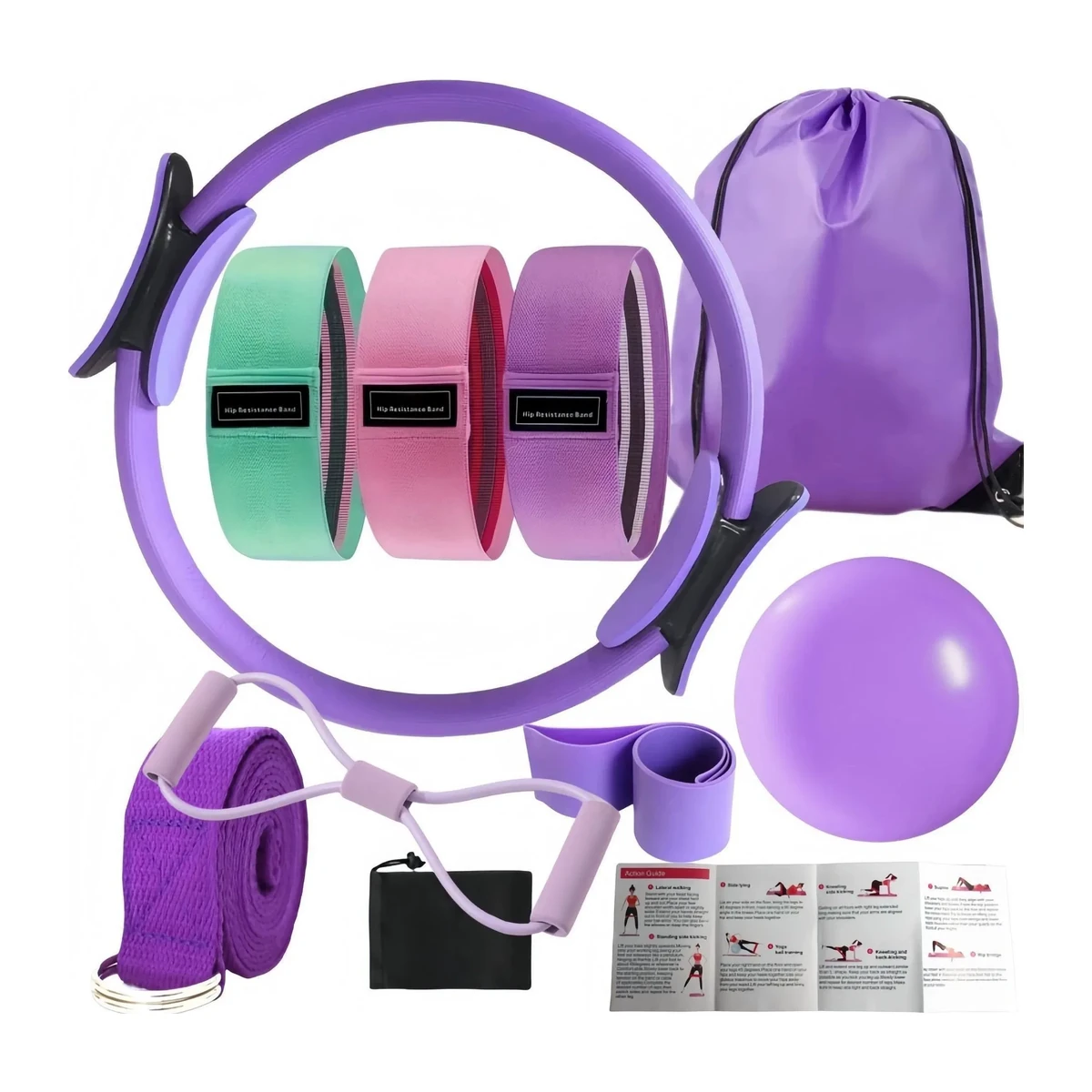
Complete Pilates Home Kit with Ring, Ball and Resistance Bands
This Pilates home kit offers a low-impact cardio alternative for those seeking affordable, space-saving equipment instead of expensive machines.
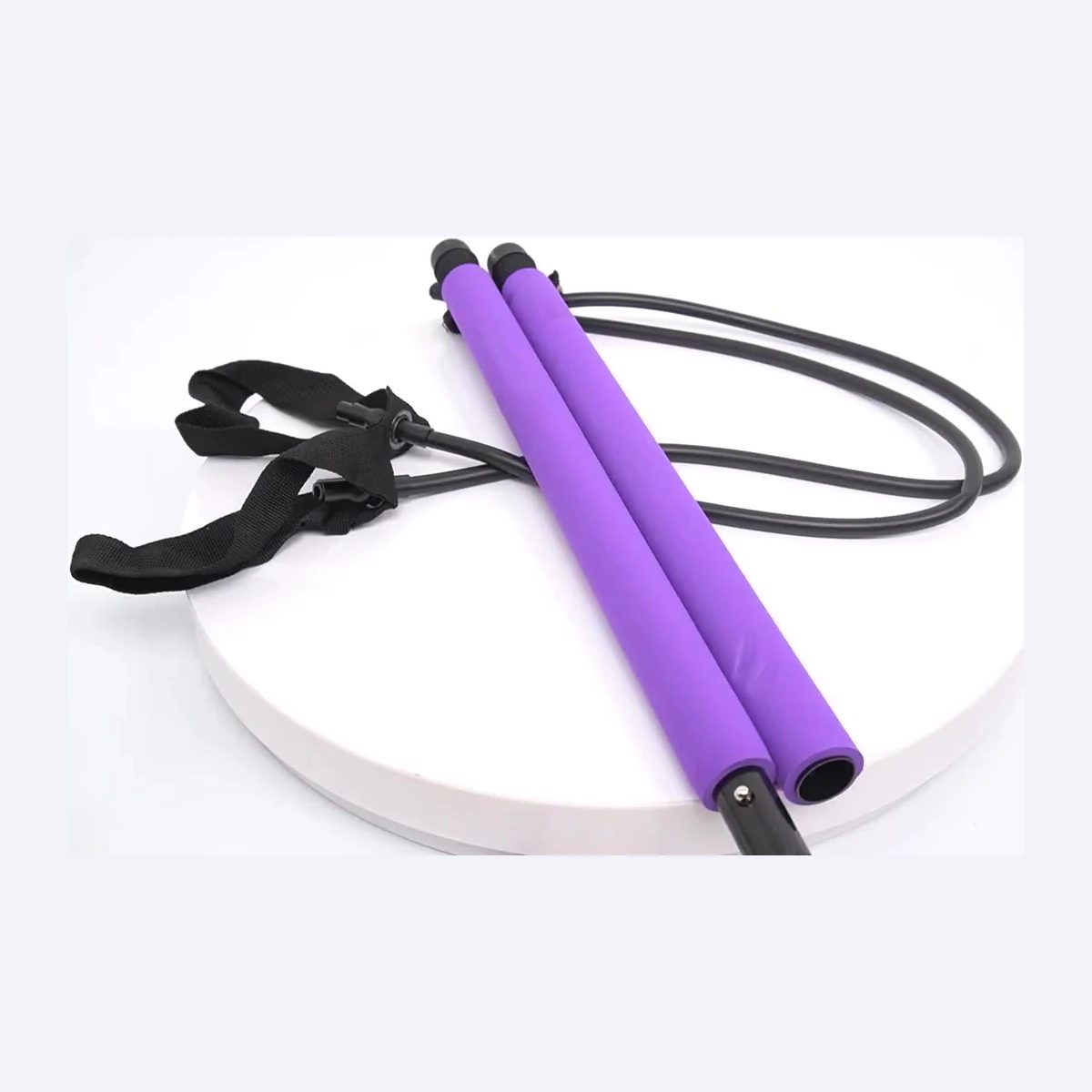
Portable Pilates Bar Kit with Resistance Bands
The portable Pilates bar kit provides versatile cardio and strength workouts at home, ideal for readers considering alternatives to high-end cardio machines.
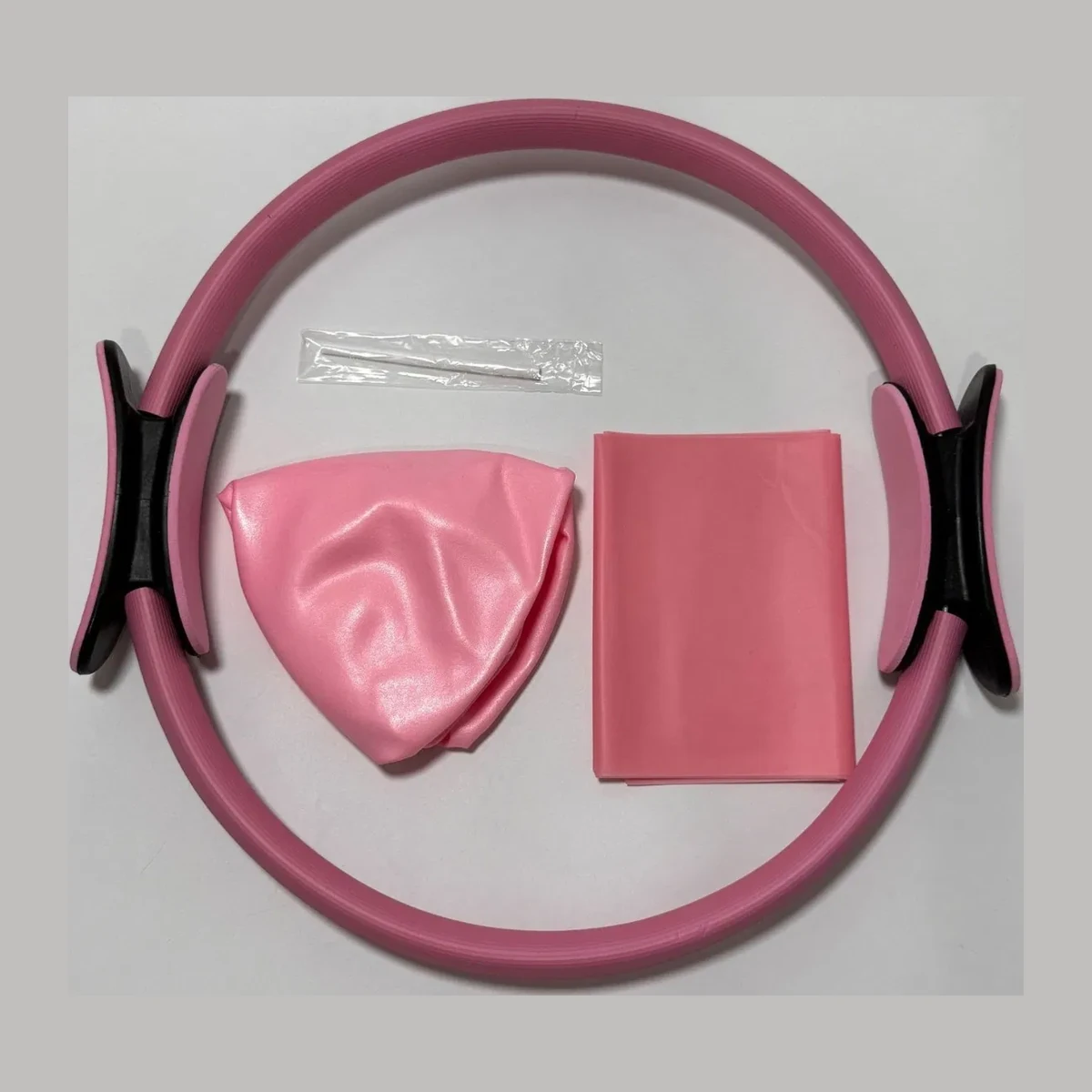
Pilates Ring and Mini Ball Set with Resistance Band
The Pilates ring and mini ball set enables controlled, low-impact cardio routines, matching the article's focus on practical, budget-friendly home fitness options.