









Best Gifts for Rock Climbers: Practical Picks for Strength and Training
Selecting the best gifts for rock climbers involves understanding their training needs and the tools that can help them progress. Hangboards, especially popular models like the Two Stones Hangboard, offer effective grip and finger strength training at home or outdoors. This article explains practical gift ideas, highlights key features to consider, and provides expert guidance on supporting climbers’ strength and resistance goals.
Climbing gyms are bustling, but you know the struggle of keeping up with your training when life gets hectic or you’re stuck at home. Maybe you’ve watched friends crush new grades, but your own progress feels stalled—sometimes because the right gear just isn’t within reach. When searching for the best gifts for rock climbers, it’s easy to get lost in flashy gadgets or novelty items that collect dust instead of helping you build real strength. The frustration grows when you realize that not all climbing gear is designed for your actual needs, especially if you’re just starting out or want functional tools for at-home sessions.
If you’ve ever wished someone would give you something genuinely useful for your climbing journey, you’re not alone. The endless choices can feel overwhelming—a jumble of chalk bags, fingerboards, and mysterious accessories with little explanation. What you really need are gifts that support your goals, fit your routine, and help bridge the gap between gym visits and home workouts. Understanding what climbers truly need means looking beyond hype and focusing on practical picks that foster steady progress, confidence, and fun wherever you train.
- Hangboards are a top gift for climbers seeking strength gains.
- The Two Stones Hangboard suits all skill levels and budgets.
- Portable hangboards offer training flexibility outdoors.
- Effective gifts support grip, finger, and overall strength.
- Versatile training tools cater to both beginners and advanced climbers.
Understanding What Climbers Really Need
If you want to pick the best gifts for rock climbers, focus on what actually benefits their climbing. Climbers value tools that help them build grip and finger strength because these are essential for tackling harder routes and staying safe on the wall. A hangboard, for example, provides targeted training that directly impacts a climber’s ability to hold onto small edges and pockets, which translates to real progress both indoors and outdoors.
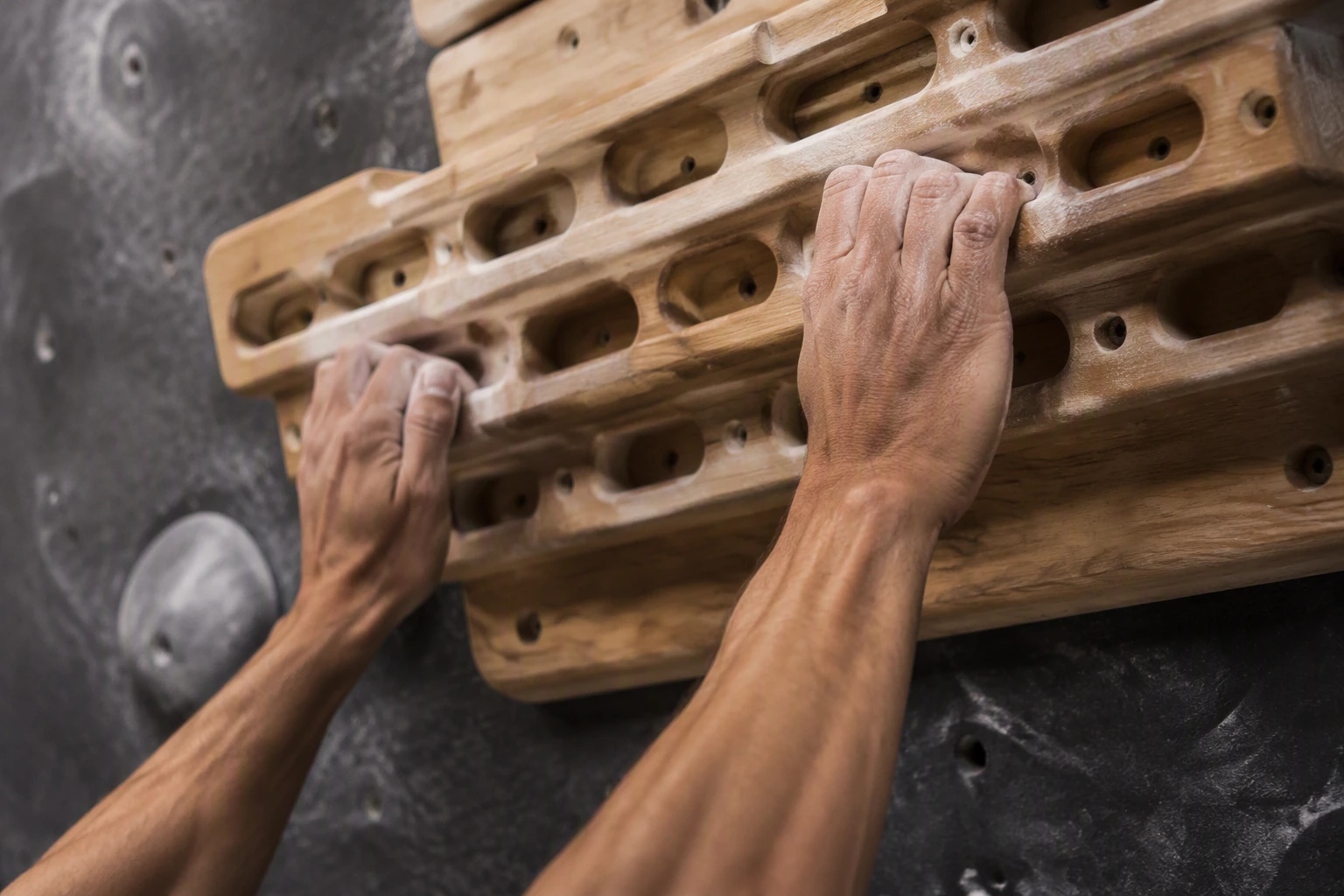
Training gear holds more value than novelty items when it comes to skill progression. Gimmicky decor or climbing-themed mugs might get a smile, but tools like the Two Stones Hangboard or a portable hangboard support consistent practice and real improvement. With a hangboard, climbers can perform exercises like dead hangs for 10-15 seconds, pull-ups in sets of 5-10 reps, or offset hangs for 10 seconds on each side. Each session can be as short as 15 minutes, but the results compound over weeks of regular use.
Climbers need gifts that are functional and support their journey, not just their identity. A well-chosen training tool helps them train at home on rest days or during bad weather, keeping their fingers strong and reducing injury risk. For instance, a portable hangboard weighing under 2 pounds fits in a backpack and costs around $60-$90, making it convenient for travel or outdoor trips. This means your gift keeps supporting their routine, whether they’re at home or on the road.
“A climber just needs a good pair of shoes to improve.” Many beginners believe new shoes are the key, but real gains often come from strengthening your grip and fingers with tools like hangboards. Shoes matter, but consistent grip training can unlock harder climbs more effectively.
“A novelty gift like a climbing mug or T-shirt will help a climber get better.” While fun, these items do not contribute to actual skill progression or safety. Instead, investing in practical gear like hangboards or grip trainers supports ongoing practice and measurable improvement.
Giving a functional gift also shows you understand the climber’s needs and challenges. Climbing is a sport where progress depends on regular, focused training. When you choose equipment that improves grip and finger strength, you’re not only helping your favorite climber avoid plateaus but also supporting their safety on real rock. Safety is never a gimmick: better grip means fewer slips, which can prevent injuries and build confidence for more advanced climbs.
“Training gear like hangboards actually makes a difference in climbing strength.” This is true—multiple exercises with hangboards target the specific muscles and tendons used in climbing. Even a few minutes a day, several times a week, can result in noticeable gains over a month.
“Only professional climbers benefit from training equipment.” This is false. Beginners and advanced climbers alike use hangboards because they offer scalable exercises for all skill levels, making them a smart gift for anyone serious about improving.
Why a Hangboard Makes a Great Gift
If you're searching for the best gifts for rock climbers, a hangboard stands out as both practical and impactful. Hangboards offer climbers a convenient way to train grip and finger strength right at home, helping them progress without needing a full gym setup. This tool is designed specifically for climbers, with different holds and surfaces that mimic outdoor rock features, letting you build the strength needed for tougher routes. Whether you're new to climbing or pushing into advanced grades, a hangboard can make a noticeable difference in your performance after just a few weeks of consistent use.

Hangboard exercises are straightforward but highly effective. Dead hangs are the foundation: you simply hang from the board for intervals, typically 10-20 seconds per rep, resting for 2-3 minutes between sets. For more challenge, try offset hangs—where one hand grips a smaller hold and the other a larger one—which adds variety and intensity. Pull-ups on the hangboard, using either full fingers or just fingertips, target both grip and upper body strength. Most climbers train with 2-3 sets of each exercise, two to three times per week. If you're aiming to improve your finger strength, start with dead hangs on larger edges and gradually work down to smaller crimps as you build confidence.
Choosing the right hangboard matters for both safety and enjoyment. The Two Stones Hangboard is a top pick for its balance of quality and value, making it suitable for beginners and seasoned climbers alike. This model offers multiple grip options, from deep jugs to tiny edges, so you can customize your training. Its durable material withstands heavy usage, and its price usually falls in the $40–$60 range, which is reasonable compared to many alternatives. If portability is important to you, consider a lightweight hangboard designed for easy travel—these are ideal for climbers who want to train outdoors or keep up their routine on trips.
One mistake to avoid is jumping into advanced exercises before you've built a solid foundation. Overloading your fingers with small holds or heavy weights can lead to injury, so always warm up with larger edges and shorter hang times. Focus first on technique, then gradually increase difficulty as your strength improves. Another common error is neglecting rest; finger tendons need time to recover, so space workouts at least two days apart. For best results, combine hangboard training with stretching and antagonist exercises to keep your hands balanced and healthy.
Hangboards aren't just for elite climbers—they're a smart gift for anyone interested in rock climbing. With consistent use, you'll notice stronger grip, better endurance, and more confidence tackling new routes. The ability to train at home removes barriers like gym access and weather, making progress more accessible year-round. Investing in a quality hangboard like the Two Stones model ensures you get reliable performance and a variety of exercises, supporting both fun and serious training goals. Whether you're gifting to a friend or upgrading your own setup, a hangboard is a thoughtful and practical choice that helps climbers reach their next level.
"Hangboards are one of the best gifts for climbers because they target grip and finger strength."True
This is true. Hangboards are specifically designed for climbers to perform exercises like dead hangs, which directly develop the finger and grip strength required for climbing. They are widely recommended for all skill levels.
"Any hangboard will work for every climber, regardless of experience or hand size."False
This is false. Not all hangboards are equally suitable for every climber. Beginners may need larger, more comfortable grips, while advanced users often seek smaller holds for more challenging workouts. Fit and versatility matter.
How Do Portable Hangboards Benefit Climbers?
Portable hangboards offer climbers a straightforward way to keep up with strength training, no matter where you are. Whether you’re headed out for a weekend at the crag or traveling for work, these compact tools make it possible to maintain your grip and finger strength routines outside the gym. Most portable hangboards weigh less than 2 pounds and easily fit into a backpack or suitcase, so you won’t need to sacrifice valuable packing space for your training gear.
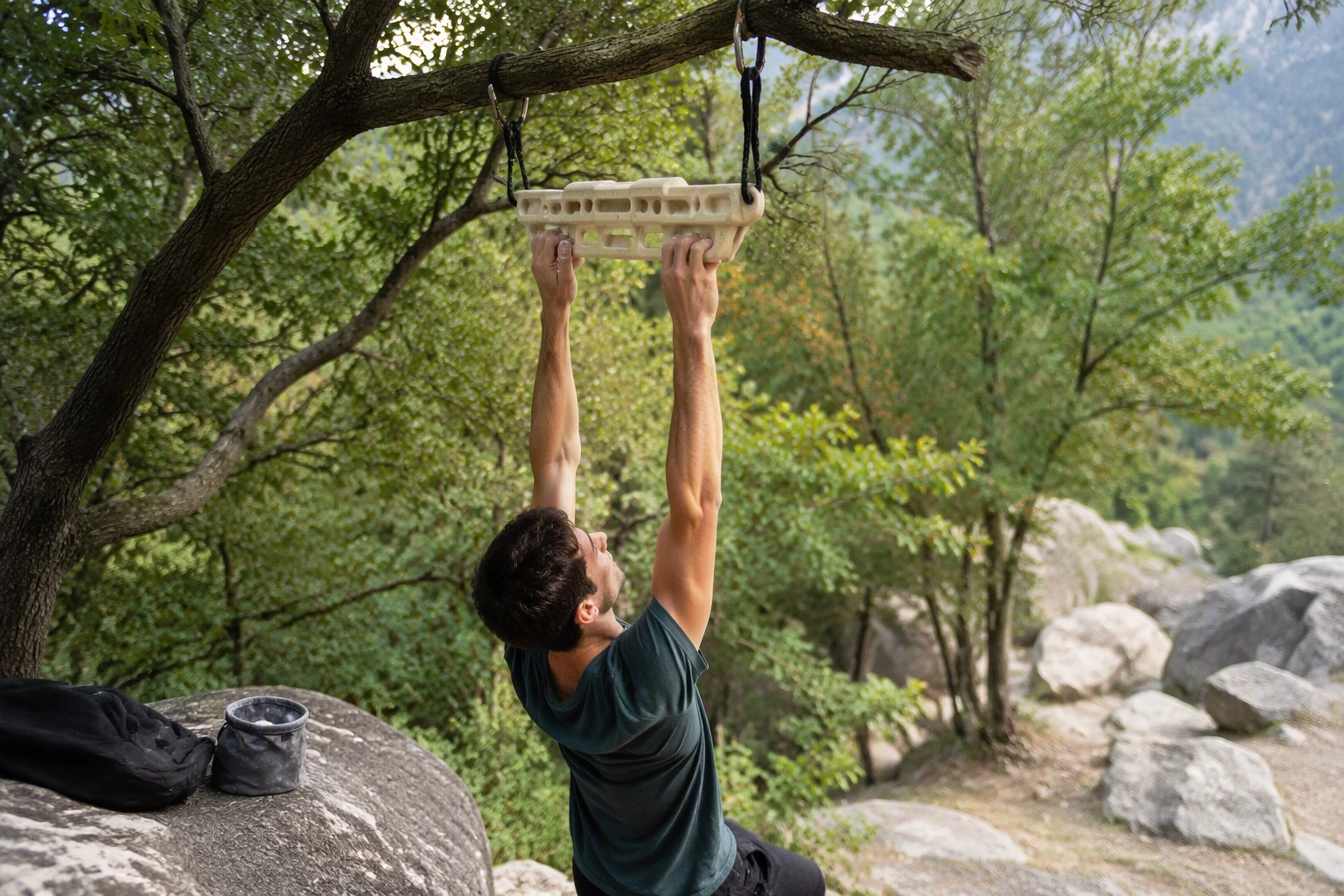
One major benefit of a portable hangboard is the flexibility it gives you to train consistently. Standard hangboards are usually mounted permanently on a wall, but portable versions can be hung from a tree branch, pull-up bar, or even a sturdy doorframe by using a sling or resistance band. This means you can squeeze in dead hangs, pull-ups, or offset hangs during a lunch break at the park or while you’re camping in the mountains. Even a 10-minute session a few times a week can help you maintain the grip strength necessary for climbing hard routes.
For climbers who travel often, it’s easy to lose progress if you miss regular training. Portable hangboards help you avoid that setback by offering a way to keep your routine going, even without a climbing gym nearby. For example, the Two Stones Hangboard is a popular choice because it’s lightweight and affordable (usually under $40), and offers several grip options to target different finger strengths. You can perform 5 sets of 10-second dead hangs, resting 1 minute between sets, to maintain or build finger endurance while away from your usual wall.
Another advantage is how simple it is to set up and use a portable hangboard. You don’t need a drill, screws, or permanent space—just something sturdy to hang it from and your bodyweight. This makes it suitable for apartment dwellers or anyone who shares living space and can’t install permanent fixtures. You can even integrate hangboard sessions with bodyweight exercises, such as mixing pull-ups and core workouts, to maximize your time outdoors or on the road.
To get the most from your portable hangboard, make sure you use proper form and avoid overtraining. Beginners often make the mistake of doing too many repetitions or hanging with bent arms, which can lead to finger or elbow strain. A safe starting routine is three sets of 7-second dead hangs with 3-finger or 4-finger grips, followed by a 2-minute rest between sets. Always warm up your fingers and shoulders before training, and gradually increase intensity as your strength improves.
Portable hangboards are a practical gift for any climber who wants to stay strong and consistent, even when life takes you away from your home gym. They’re easy to carry, versatile for a range of exercises, and help you keep your progress on track wherever you go. For climbers who value flexibility and results, a portable hangboard is a smart addition to your training toolkit.
Choosing the Right Hangboard: Key Features
When you’re hunting for the best gifts for rock climbers, a hangboard stands out as a practical option. Choosing the right hangboard means looking for one that offers a variety of grips, reliable material quality, and easy installation. Grip variety matters most—look for models with edges, pockets, slopers, and jugs. This range lets you train finger strength and open hand power, and ensures you won’t hit a plateau with only one or two grip types. If you’re a beginner, you’ll appreciate larger holds and smoother textures. Advanced climbers, on the other hand, want smaller crimps and challenging pockets for tougher workouts.
Material quality affects both durability and comfort. Most hangboards are made from either wood or polyurethane resin. Wood boards are gentle on skin, especially during longer sessions—think 10-15 minutes of dead hangs or pull-ups. Polyurethane models offer more texture and grip, which can be ideal for short, high-intensity sets of 5-8 reps. Always check that the board won’t splinter or wear down quickly. The Two Stones Hangboard is a top seller because it balances price (often under $60) with high-end materials, making it suitable for all skill levels.
Ease of installation is another key factor. If you’re training at home, you want a board that mounts securely to a door frame or wall with minimal fuss. Many hangboards come with pre-drilled holes and mounting hardware. Aim for an installation time of under 20 minutes. Portable hangboards are a great pick if you travel or climb outdoors, weighing less than 2 pounds and designed to hang from trees or gym racks. They’re perfect for warming up before a climb or squeezing in grip work on the go.
Versatility in training is what makes a hangboard a valuable gift. You can use it for dead hangs, offset hangs, pull-ups, and finger-specific routines. Beginners might start with 10-second hangs for 5-6 reps and gradually increase duration and difficulty. Advanced users may combine single-finger hangs, one-arm pull-ups, or offset hangs for targeted training. As you progress, the board’s range of grips lets you scale up the challenge without needing additional equipment. If you’re unsure what features matter most, focus on grip variety and material quality—they determine both safety and effectiveness.
Affordable hangboards don’t always sacrifice performance. Many popular options, like the Two Stones Hangboard, deliver both quality and training versatility under $60. Mistakes to avoid include choosing boards with limited grip options or rough surfaces that can cause skin injury. Always test the board’s feel before committing to a routine, and check reviews from climbers with similar skill levels. When you match the board to the climber’s experience and training needs, you’ll give a gift that truly supports their strength and progression.
"Portable hangboards are useful for climbers who want to train outdoors or while traveling."True
This is true. Portable hangboards are lightweight and designed for easy transport, allowing climbers to maintain finger and grip strength routines even when away from home or the climbing gym.
"Grip trainers and resistance bands are useless for developing climbing strength."False
This is false. While hangboards are a top choice for finger strength, grip trainers and resistance bands also play a valuable role in supporting overall hand, wrist, and forearm conditioning for climbers.
Gift Ideas Beyond Hangboards
When you’re hunting for the best gifts for rock climbers, hangboards get a lot of attention. But many climbers will tell you that a well-rounded training kit goes way beyond a single piece of equipment. Resistance bands, chalk, and grip trainers can be just as valuable for building strength and keeping workouts interesting. These gifts not only support climbing-specific training but also help with injury prevention and overall fitness.

Resistance bands are a smart addition to any climber’s routine. You can find a set for around $15 to $25, and they’re perfect for warming up, stretching, or adding resistance to bodyweight exercises. A climber might use them for shoulder strengthening routines or to add extra challenge to pull-ups and push-ups. Many climbers also use bands for active recovery, especially after a tough session on the wall or hangboard.
Chalk may seem simple, but every climber relies on it. A quality chalk ball or a refillable chalk bag costs between $8 and $20. Look for extra-fine magnesium carbonate for less mess and better grip. If you want to make your gift stand out, choose a chalk bag with a fun design or a zippered pocket for keys and tape. Liquid chalk is another option for indoor gyms that limit dust—just check if the climber has a preference.
Grip trainers are a great choice for climbers focused on finger and hand strength. You’ll find options from $10 to $30, including spring-loaded grip strengtheners and silicone rings. These tools are ideal for squeezing in quick workouts at your desk or during travel. A climber can do 3 sets of 10-15 reps per hand, working up to more resistance as their grip improves. For a personalized touch, include a note suggesting a simple routine: 2 minutes of warm-up, then 5 sets of 10-second squeezes with 30 seconds of rest.
When selecting gear, think about the climber’s goals and style. Someone training for bouldering might appreciate stronger grip trainers or portable hangboards for short, intense sessions. A rope climber might value resistance bands for shoulder and core work, or a chalk bag that clips easily to a harness. Don’t forget practical accessories, like a durable water bottle, a finger tape roll, or a small massage ball for recovery—each costs under $20 and can make a real difference for regular climbers.
One common mistake is buying gear that doesn’t match the climber’s needs. Before you choose, try to find out if they already own certain items or if they have allergies (some climbers avoid specific chalk formulas). A thoughtful gift isn’t just about the price—it’s about helping your friend or loved one train smarter, climb safer, and enjoy the sport even more. With these alternatives to hangboards, you can support their progress and show you care about what matters most to them on and off the wall.
FAQ
What is a hangboard and how does it help climbers?
A hangboard is a training tool with various holds that climbers use to improve grip and finger strength. Regular hangboard training can enhance a climber's ability to hold onto smaller rock features, making it essential for skill progression.
How do I choose the best gift for a beginner rock climber?
For beginners, choose gear that is easy to use and promotes safe training, like hangboards with larger holds, grip trainers, or resistance bands. Practical items that help build foundational strength are usually appreciated.
Are portable hangboards as effective as regular ones?
Portable hangboards offer many of the same grip training benefits as regular hangboards, though they may have fewer hold options. They are effective for maintaining strength routines while traveling or climbing outdoors.
What exercises can be done on a hangboard?
Common hangboard exercises include dead hangs, pull-ups, and offset hangs. These target various grip types and finger positions, and can be adapted for both beginners and advanced climbers.
Is the Two Stones Hangboard good for advanced climbers?
The Two Stones Hangboard is suitable for all skill levels, including advanced climbers, due to its range of holds and quality construction. It allows for progression in grip and finger strength training.
Related Products
Practical VVZIO equipment that matches the training focus of this article.
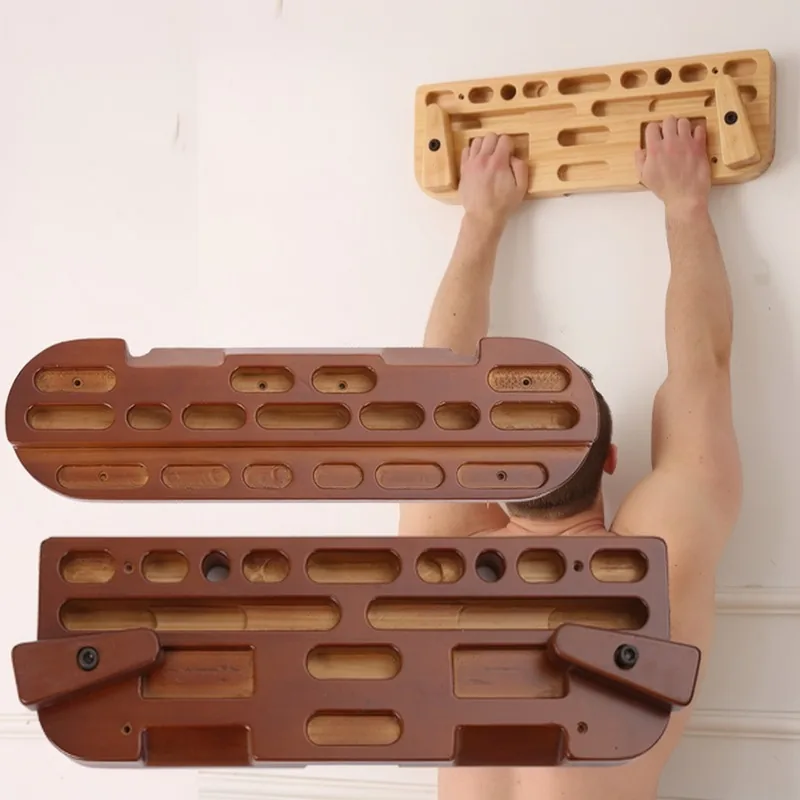
Portable Wooden Climbing Hangboard
This portable wooden climbing hangboard directly supports grip and finger strength training, which is essential for climbers training at home or outdoors.
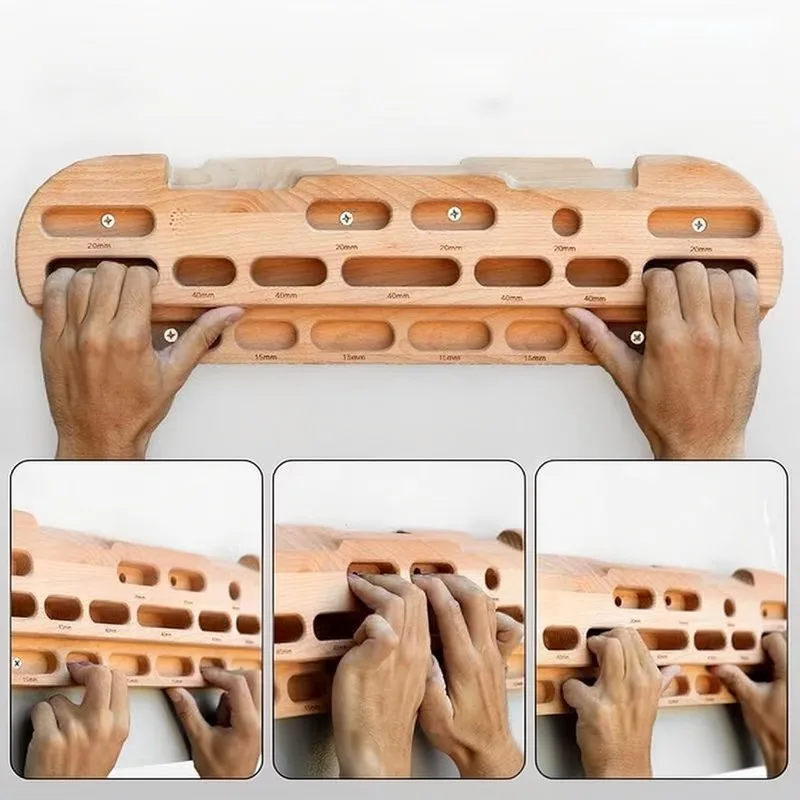
Wooden Hangboard for Finger Strength Training
The wooden hangboard is designed specifically for finger strength and grip training, matching the article’s focus on practical tools for climbers’ progression.
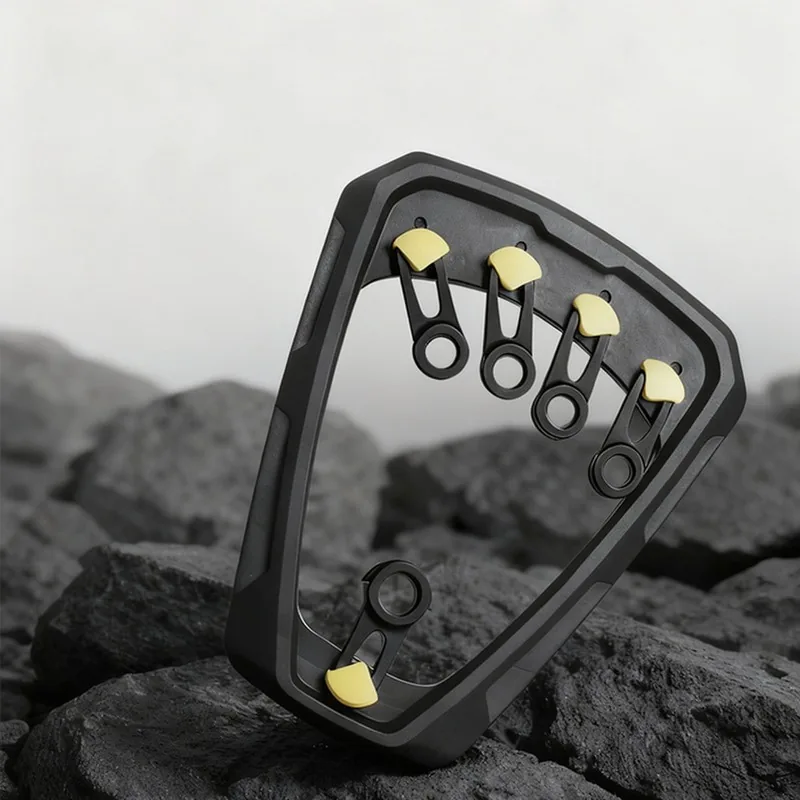
3-Level Adjustable Rotating Finger Strength Trainer
The adjustable rotating finger strength trainer targets finger and forearm strength, making it a practical gift for climbers aiming to improve their grip at home.
Related reading

TRX vs Traditional Weights: Which Is Better for Home Strength Training?
Comparing TRX suspension training and traditional free weights reveals clear differences in versatility, muscle engagement, and accessibility. While…How to Use a TRX Suspension Trainer Effectively at Home
The TRX Suspension Trainer offers a versatile way to build strength, improve mobility, and enhance core stability at…The Cliff at Your Fingertips: How a Hangboard Unlocks Your Climbing Potential
A hangboard offers climbers a practical way to build grip strength and finger endurance, both crucial for tackling…