









قضبان الضغط من نوع S توفر قاعدة مستقرة لضغطات أعمق، مما يعزز القوة الانفجارية الضرورية لتدريبات البليومتريك.
Massage guns and foam rollers are popular tools for muscle recovery and pain relief, but they serve different purposes. Understanding their benefits and applications can help you choose the right one for your fitness routine, enhancing your post-workout recovery and overall performance.
You’ve probably tried countless recovery methods after a tough workout, only to find that some just don’t cut it. You’re left with sore muscles and frustration, wondering if there’s a better solution to ease the tension and speed up your recovery. Enter the ongoing debate: massage guns vs foam rollers. Both tools promise relief, but how do you know which one is best for your needs?
As a beginner, you might feel overwhelmed by the options available and unsure of where to invest your time and money. Do you reach for the sleek, buzzing massage gun that promises precision and power, or do you stick with the classic foam roller that has been a staple in workouts for years? It can be a daunting choice, especially when you're just trying to find the most effective way to recover and get back to your fitness routine.
- Massage guns provide targeted muscle relief.
- Foam rollers are great for overall muscle tension.
- Choose based on your specific recovery needs.
- Consider the intensity of your workouts.
- Both tools can enhance recovery and performance.
What are Massage Guns and Foam Rollers?
Massage guns are handheld devices designed to deliver rapid bursts of pressure to your muscles through percussive therapy. They typically feature various speed settings and interchangeable attachments to target different muscle groups. The primary purpose is to relieve muscle soreness, improve blood flow, and enhance recovery after workouts. Most models provide 20 to 30 percussions per second, helping to break up tightness and promote relaxation.

On the other hand, foam rollers are cylindrical pieces of foam used for self-myofascial release. They help relieve muscle tightness and improve flexibility by applying pressure to sore spots. Unlike massage guns, foam rollers require you to use your body weight to roll over the surface, which can be an effective way to target larger muscle groups. You might spend about 5 to 10 minutes rolling out your legs or back after a workout to help with recovery.
Both tools are popular among fitness enthusiasts and athletes alike. Massage guns are often used for quick, targeted relief, while foam rollers are excellent for a more thorough, full-body approach. If you’re looking for convenience and speed, a massage gun might be the way to go, especially if you're pressed for time. Foam rollers can be a more economical choice, usually costing between $15 to $50, compared to massage guns, which can range from $50 to over $300 depending on the brand and features.
When it comes to how they work on muscles, both methods increase blood circulation and help reduce muscle stiffness. Massage guns achieve this through rapid percussion, stimulating the muscles and nervous system for quicker recovery. Foam rollers do this through sustained pressure, which can help release trigger points and knots in the muscles. By incorporating either tool into your post-workout routine, you can enhance your recovery and prepare your body for the next challenge.
How Do They Differ in Function?
Massage guns and foam rollers serve different purposes in the realm of recovery, each with unique benefits. Massage guns provide vibration therapy that penetrates deep into the muscle tissue, helping to reduce soreness and improve blood flow. With a typical session lasting about 10 to 15 minutes, you can target specific muscle groups with varying speeds and intensity levels. Most massage guns come with attachments designed for different areas, allowing you to customize your treatment based on your needs.
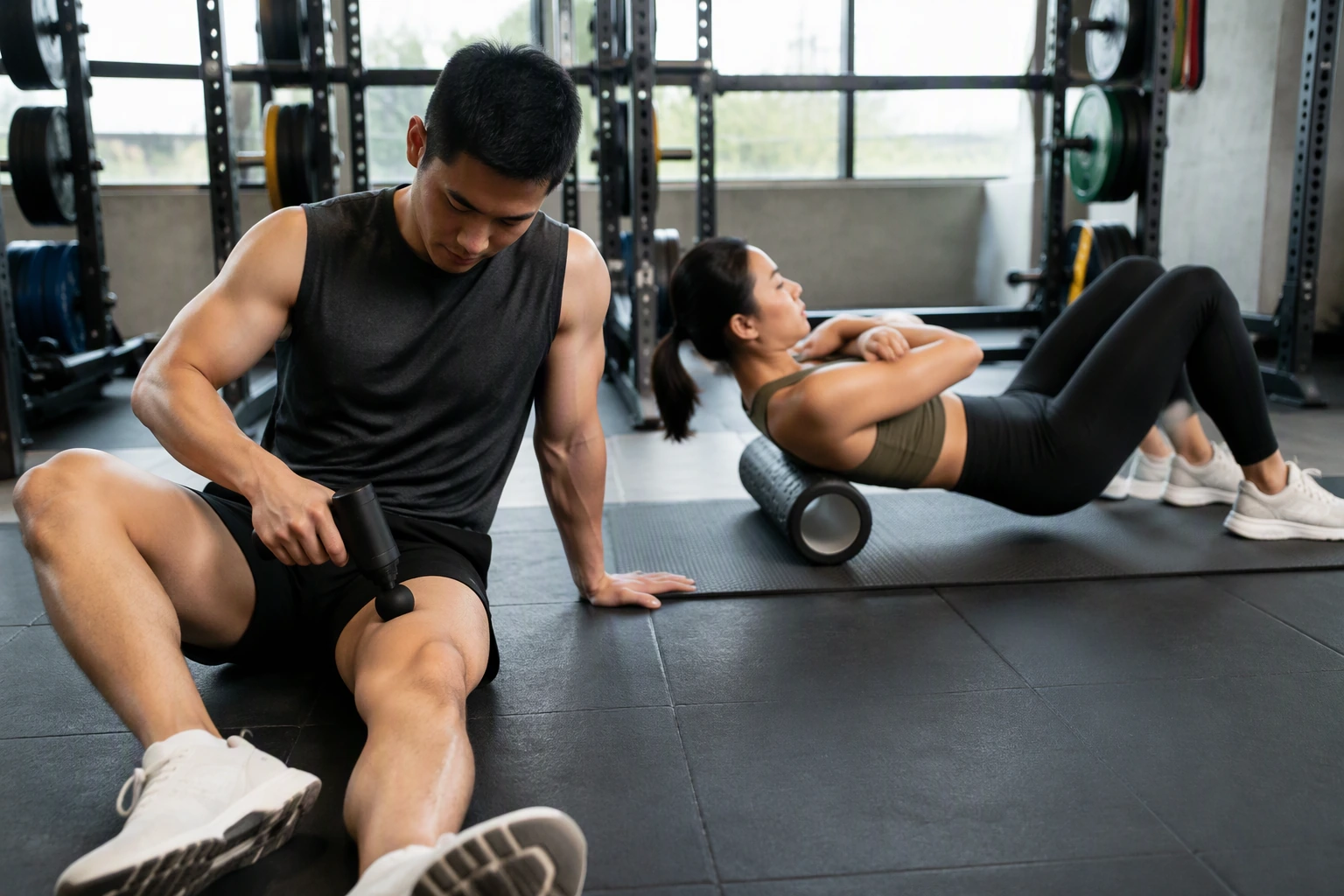
On the other hand, foam rollers focus on pressure release through self-myofascial release. When you roll over a foam roller, it applies pressure to tight muscles, helping to alleviate tension and improve flexibility. A standard foam rolling session can take anywhere from 5 to 20 minutes, depending on how many muscle groups you cover. Unlike massage guns, foam rollers encourage a broader treatment approach, helping multiple areas in one session.
The user experience with each tool also varies significantly. Using a massage gun requires a bit of technique to ensure you’re applying the right amount of pressure without causing discomfort. It’s easy to get overwhelmed by the settings and speeds, so starting off with a lower intensity for 5 minutes on each targeted muscle group can prevent injury. In contrast, foam rolling is generally more straightforward, as you simply apply your body weight onto the roller, controlling the pressure yourself.
Another important difference is how each tool approaches muscle treatment. Massage guns are fantastic for targeted recovery, allowing you to hit specific knots or sore spots directly. For instance, if your quads are sore after leg day, you can focus the gun on just that area. Foam rollers, while they can be used to target specific areas, tend to provide a more overall treatment, benefiting larger muscle groups like your back or legs. This makes them ideal for a quick, all-encompassing recovery session.
Choosing between massage guns and foam rollers ultimately depends on your personal preferences and recovery needs. If you’re someone who enjoys the deep, penetrating effects of vibration therapy, a massage gun might be the better choice for you. However, if you prefer a more hands-on approach with versatility in targeting multiple areas, a foam roller could be the way to go. Each tool has its strengths, so you might even find that having both in your recovery arsenal is the best option for your fitness journey.
"Massage guns can help relieve muscle soreness effectively."صحيح
Studies show that massage guns can reduce delayed onset muscle soreness (DOMS) by about 30% after workouts.
"Foam rollers are only for beginners and not effective for advanced athletes."خطأ
In fact, foam rollers are widely used by elite athletes for myofascial release, improving flexibility and recovery.
Which One Should You Choose?
Choosing between massage guns and foam rollers boils down to your specific fitness goals. If you're aiming for deep muscle recovery after intense workouts, a massage gun might be your best bet. It allows you to target specific muscle groups with adjustable speeds and pressure settings, which can be especially beneficial after heavy lifting or high-intensity interval training (HIIT). On the other hand, if your goal is to improve overall flexibility and relieve tension from large muscle groups, foam rollers can be more effective. They are great for general recovery and can be used for longer periods, typically around 10-15 minutes per session.

Budget is another important factor to consider. High-quality foam rollers can range from $20 to $50, while massage guns are generally pricier, with models starting around $100 and going up to $500 or more for premium versions. If you're just starting out or working within a tight budget, a foam roller can provide excellent value and versatility. However, if you have a bit more to spend and you're serious about muscle recovery, investing in a good massage gun can be worth it.
Assessing your specific injury needs can also guide your decision. For instance, if you have ongoing issues like tight IT bands or sore shoulders, the targeted relief from a massage gun can help alleviate those problem areas more effectively than a foam roller. Conversely, if you're managing general soreness or tightness, foam rollers can provide a more holistic approach to muscle recovery and flexibility.
Your personal preferences in recovery techniques play a significant role in this choice as well. Some people find the intense, percussive therapy of a massage gun to be a game-changer, while others appreciate the gentler, self-myofascial release that foam rollers provide. Think about how you prefer to recover. Are you someone who enjoys a quick, intense session? A massage gun might appeal to you. Do you prefer a slower, more methodical approach? A foam roller could be the way to go. Ultimately, it’s about what feels best for you and fits into your recovery routine.
Can You Use Both for Better Results?
Using both massage guns and foam rollers can enhance your recovery routine. Each tool serves a unique purpose, allowing you to target different muscle groups and types of soreness. By alternating between the two, you can maximize your recovery efforts and potentially reduce muscle tightness faster than sticking to just one method.

Foam rollers are great for larger muscle groups like your quads, hamstrings, and back. They provide a broader pressure across the muscle, which can help with overall muscle soreness and increase flexibility. Aim for about 10-15 minutes of foam rolling after your workout, focusing on each muscle group for 30-60 seconds. On the other hand, massage guns are ideal for pinpointing specific areas of tension. Use them for about 1-2 minutes on a targeted spot, like a knot in your shoulder, to relieve tightness effectively.
Switching between these tools can help prevent overuse injuries. For example, you might use a foam roller in the morning to loosen up before a workout, then follow up with a massage gun in the evening to relax specific tight spots. This combination can provide a more comprehensive approach to recovery, as each tool complements the other. Research suggests that alternating techniques can lead to better muscle recovery times, potentially reducing soreness by up to 30%.
Real-life user testimonials highlight the benefits of this combined approach. One user reported that alternating massage guns and foam rollers helped them recover from intense leg workouts faster, allowing for consistent training with less downtime. Another noted that using the foam roller first to warm up made their massage gun sessions more effective, as the muscles were more pliable and receptive to deeper pressure. Hearing these experiences can motivate you to experiment with both methods and find what works best for your body.
Ultimately, using both tools can be a powerful strategy for recovery. Just remember to listen to your body and adjust your routine as needed. Incorporating both foam rolling and massage guns into your recovery plan can lead to noticeable improvements in how you feel and perform, helping you stay active and engaged in your fitness journey.
Are There Any Drawbacks?
Both massage guns and foam rollers have potential drawbacks that you should consider before making a purchase. For example, using a massage gun can cause discomfort, especially if you apply too much pressure or use it on sensitive areas. Foam rolling can also be painful, particularly for tight muscles or areas with knots. If you're not careful, you might end up with bruises or soreness instead of relief.
Cost is another factor to weigh. High-quality massage guns can range from $100 to over $300, while foam rollers are generally much more affordable, typically costing between $20 and $50. If you’re on a budget, foam rollers might seem like the more sensible choice. However, if you’re looking for a more advanced tool, the higher price tag of a massage gun might be justified by its versatility and effectiveness.
There’s also a learning curve associated with both tools. While foam rolling techniques may be straightforward, you might need to spend some time learning how to use a massage gun effectively. Misusing either tool can lead to less than optimal results. For example, rolling over a bony area or using a massage gun on a muscle that is too tense may not deliver the benefits you seek and could even cause injury.
Moreover, not everyone will experience the same benefits from these recovery tools. Some users report fantastic results, while others might find little to no improvement in muscle soreness or recovery times. It’s essential to remember that individual responses to massage guns and foam rollers can vary widely based on factors like body type, fitness level, and specific muscle issues.
In conclusion, while both massage guns and foam rollers offer unique advantages for muscle recovery, they also come with their own sets of drawbacks. It's worth considering your budget, willingness to learn proper techniques, and personal discomfort thresholds before deciding which tool might be best for you. If you choose wisely and use them correctly, both can significantly enhance your recovery routine.
الأسئلة الشائعة
كيف أختار بين مسدس التدليك والأسطوانة الرغوية؟
ضع في اعتبارك احتياجاتك للتعافي. مسدسات التدليك ممتازة لتخفيف الألم بشكل محدد، في حين أن الأسطوانات الرغوية مثالية لتخفيف التوتر العضلي بشكل عام. يجب أن يعتمد اختيارك على طريقة تدريبك المعتادة.
هل يمكنني استخدام الأسطوانة الرغوية قبل التمارين؟
نعم، يمكن أن يزيد استخدام الأسطوانة الرغوية قبل التمارين من تدفق الدم والمرونة، مما يهيئ عضلاتك لممارسة الرياضة. حاول القيام بالتمارين لمدة 10-15 دقيقة قبل البدء.
هل أجهزة التدليك بالمساج آمنة للجميع؟
Generally, massage guns are safe for most people, but those with certain medical conditions should consult a doctor. Always follow the manufacturer's guidelines.
How often should I use a foam roller?
Using a foam roller 2-3 times a week can be beneficial for muscle recovery. After intense workouts, a session can help alleviate soreness.
What is the best way to use a massage gun?
Start with low intensity, targeting sore areas for about 1-2 minutes each. Gradually increase pressure as needed, ensuring not to overdo it.
المنتجات ذات الصلة
معدات VVZIO العملية التي تتوافق مع تركيز التدريب في هذا المقال.
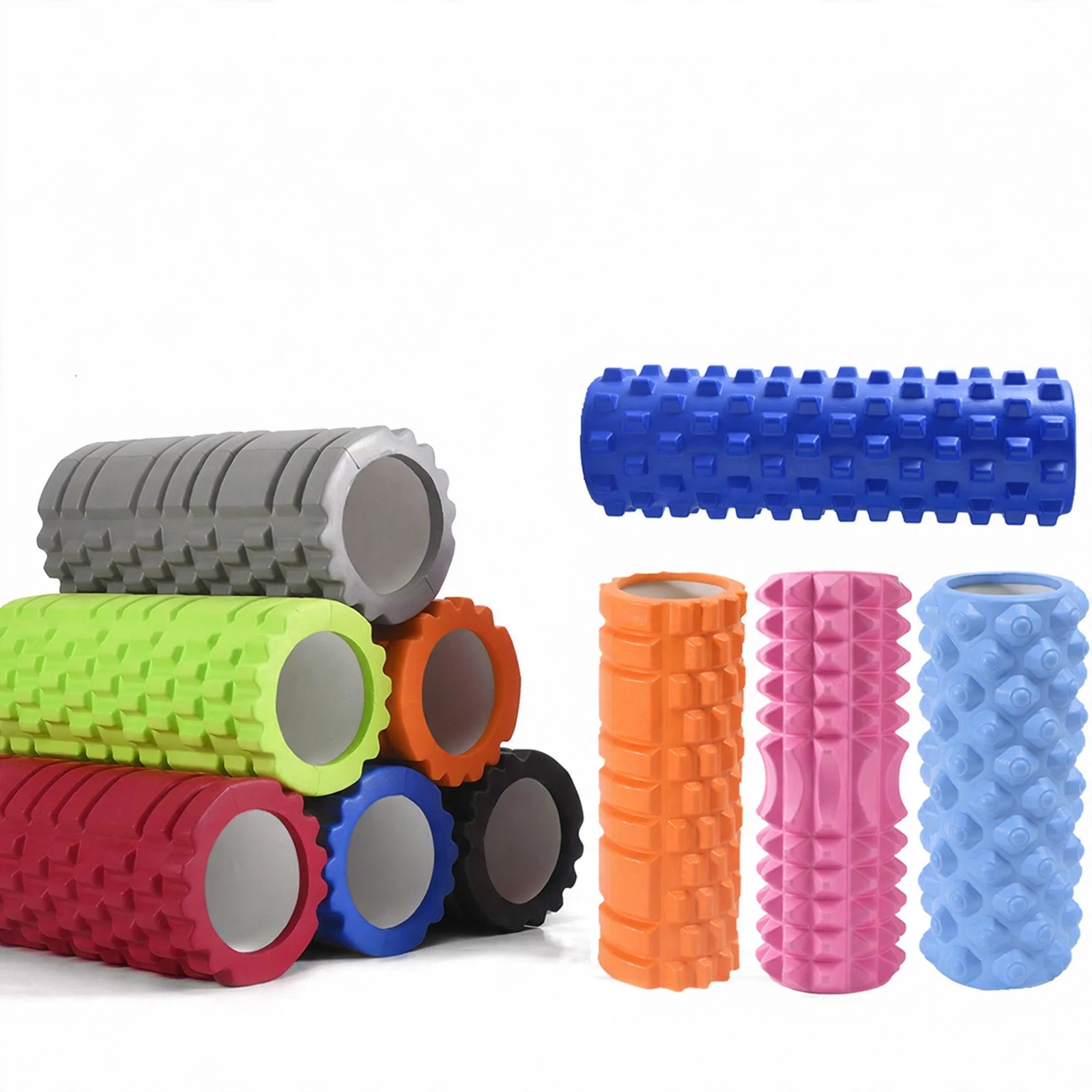
أسطوانة الفوم الهلالية – تدليك الأنسجة العميقة EVA
The Crescent Foam Roller is ideal for myofascial release, helping to alleviate muscle tightness and improve flexibility after workouts.
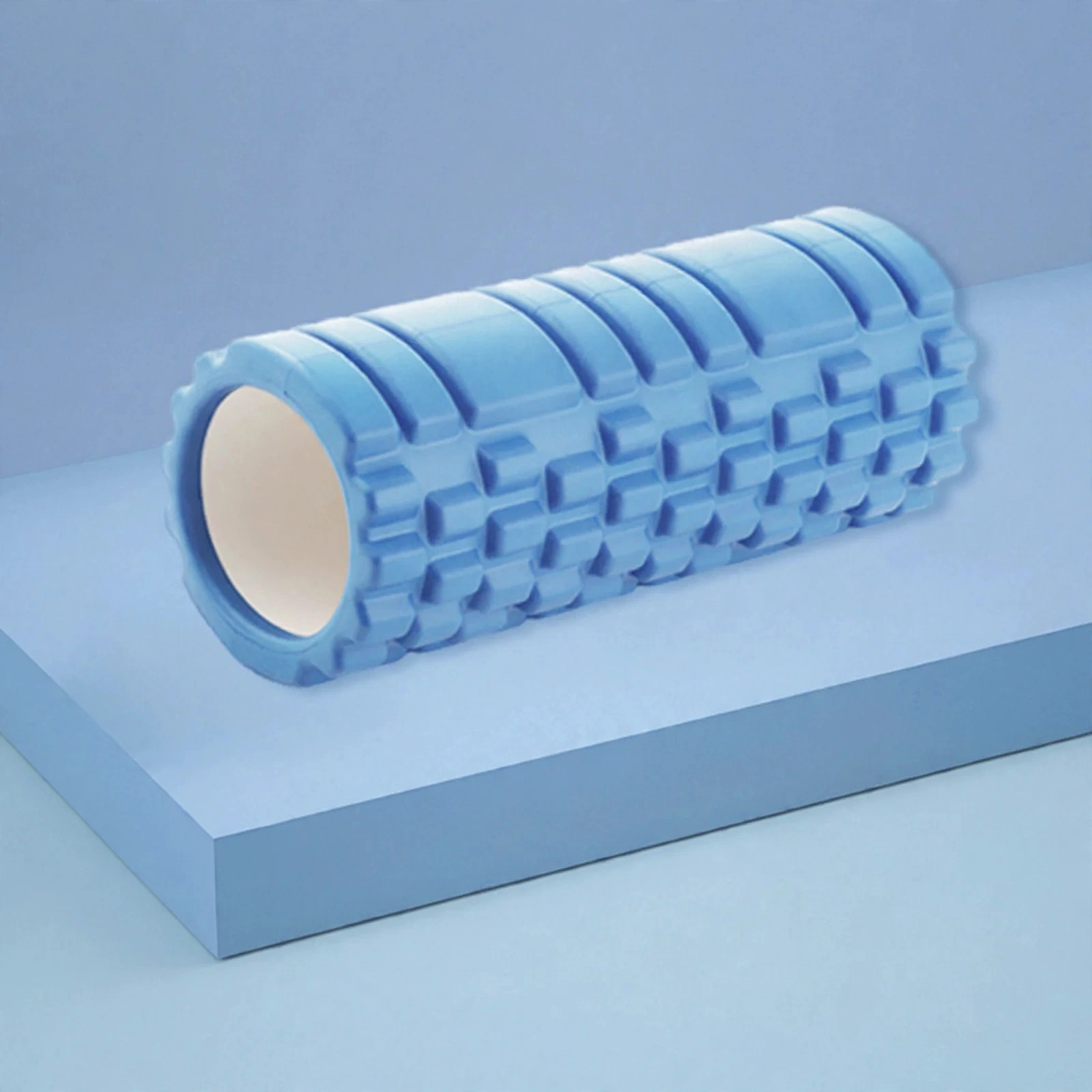
بكرة الفوم الشبكية – استعادة العضلات باستخدام EVA
The Grid Foam Roller features a balanced grid texture that enhances muscle recovery, making it a great tool for post-exercise relief.
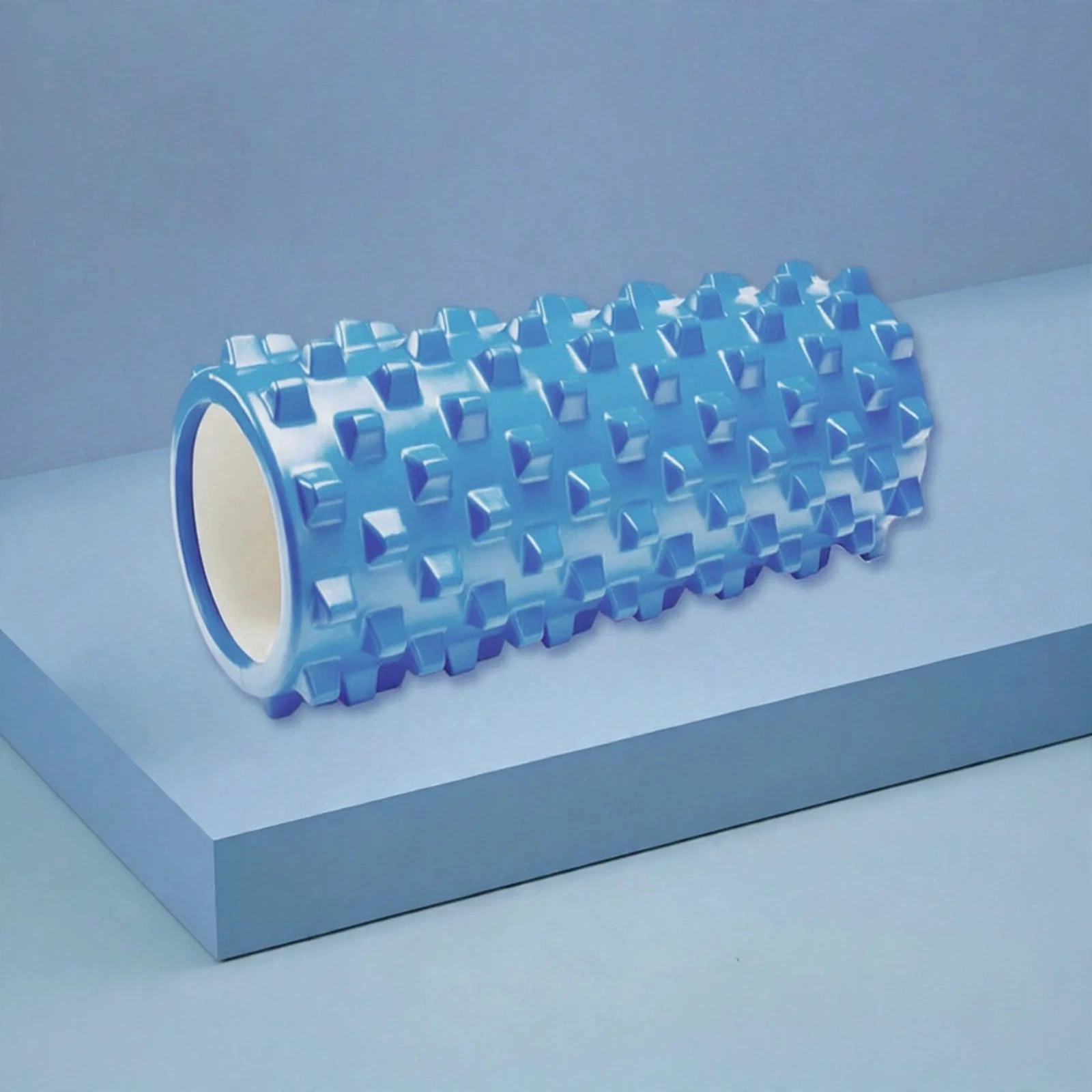
أسطوانة فوم شوكية – تدليك عميق من EVA
The Spiky Foam Roller provides aggressive deep tissue massage, effectively targeting sore muscles and promoting recovery after intense workouts.
قراءة ذات صلة

TRX vs Traditional Weights: Which Is Better for Home Strength Training?
Comparing TRX suspension training and traditional free weights reveals clear differences in versatility, muscle engagement, and accessibility. While…كيفية استخدام جهاز التعليق TRX بفعالية في المنزل
يوفر جهاز التعليق TRX طريقة متعددة الاستخدامات لبناء القوة، وتحسين الحركة، وتعزيز استقرار العضلات الأساسية في…الجرف في متناول يديك: كيف يفتح لوح التعليق إمكانياتك في التسلق
توفر لوحة التعليق للمتسلقين وسيلة عملية لبناء قوة القبضة وتحمل الأصابع، وكلاهما ضروري لمواجهة…