









Is Rock Climbing Difficult for Beginners? What to Expect and How to Start
Rock climbing can seem intimidating for beginners, but many find it accessible with the right approach and consistent grip training. While initial challenges such as grip strength and technique are common, beginner-friendly tools like hangboards and gradual progression help new climbers build confidence and skill. Understanding the difficulty level and using effective training methods can make the journey much smoother.
You’ve probably seen those climbers scaling walls with ease, but when you consider trying it yourself, the reality feels intimidating. Maybe you worry about lacking upper body strength, or you’re unsure what to expect at your first session. The fear of not being able to pull yourself up, slipping, or feeling out of place among experienced climbers is real—and it’s stopping you from even giving it a try. If you’ve ever asked, “Is rock climbing difficult for beginners?” you’re not alone in feeling overwhelmed before you’ve even touched the wall.
Rock climbing is challenging for newcomers, both physically and mentally. The first time you step into a climbing gym, it’s easy to feel lost—where do you start, how do you grip the holds, and what if you get stuck halfway up? There’s a lot to learn, and the intimidation can make you doubt your abilities. But the truth is, most beginners experience these frustrations, and the initial struggle is part of the process. Understanding what makes climbing tough for new climbers—and what you can expect—can help you push past those first hurdles and start your journey with confidence.
- Grip strength is a major challenge for new climbers.
- Hangboards help beginners safely improve their grip.
- Beginner routes and holds make climbing more accessible.
- Regular training leads to noticeable progress.
- Choosing the right gear supports a safer experience.
How Hard Is Rock Climbing for Someone New?
Rock climbing feels tough for most beginners, especially during the first few sessions. You’ll likely notice that your forearms tire quickly and your hands struggle to grasp holds for long. This is normal—rock climbing challenges muscles and movement patterns that you might not use in daily life or even in most fitness routines.
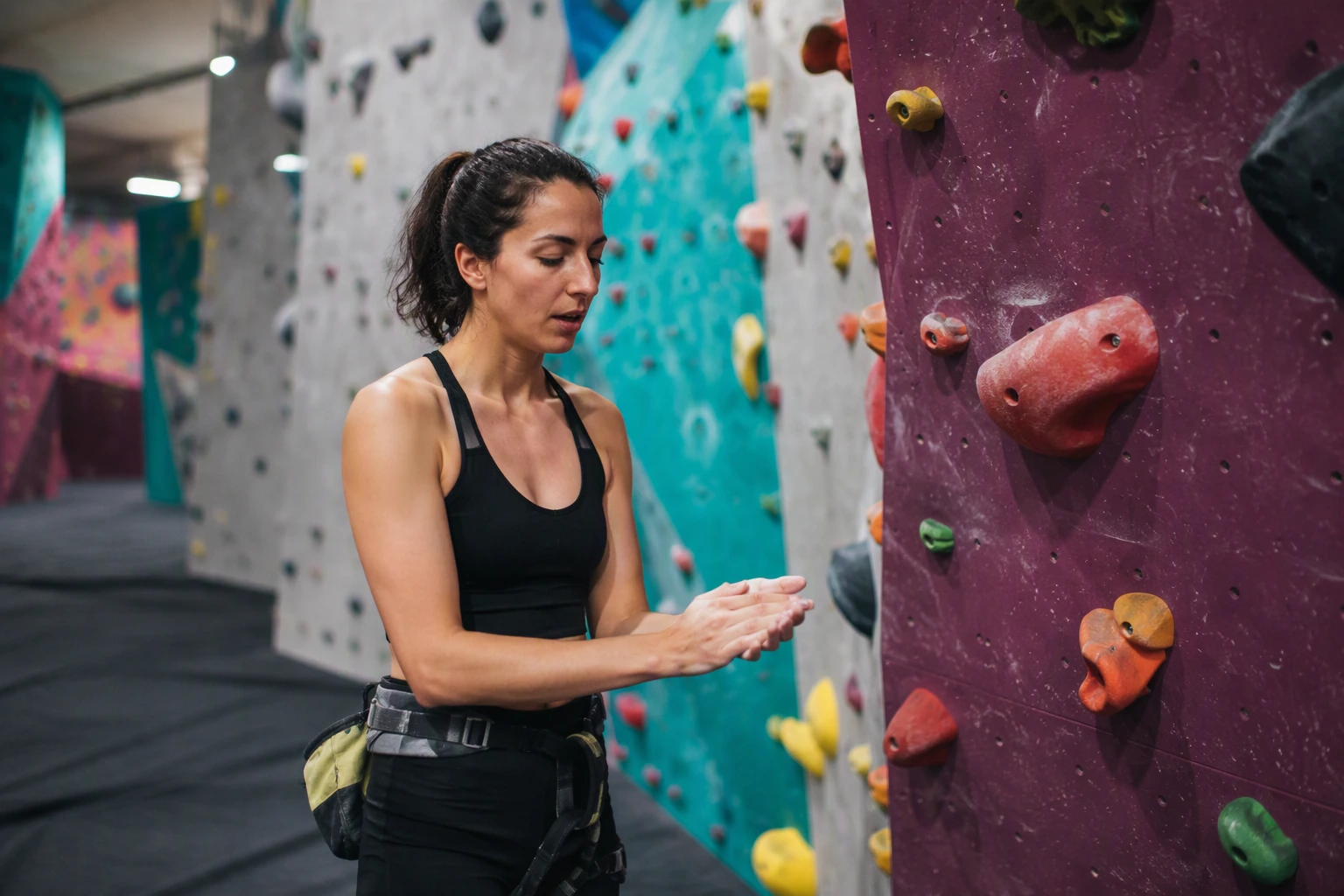
One of the biggest obstacles for new climbers is grip strength. Holding onto small or awkwardly shaped holds for even 30 seconds can leave your fingers and forearms burning. Many new climbers can only manage a few routes before their hands feel completely spent. Unlike cardio or traditional weightlifting, climbing taxes your grip in unique ways, so don’t be surprised if your hands give out before the rest of your body feels tired.
Technique is another major hurdle. At first, you might rely too much on arm strength, pulling yourself up rather than using your legs. This common beginner mistake makes routes feel much harder than they need to be. Focusing on foot placement and learning to push with your legs can make even your first climbs feel more manageable. Most coaches recommend starting with simple routes, called “problems” or “circuits,” that allow you to practice these basics. In many gyms, beginner routes are graded from V0 to V2 for bouldering, or 5.5 to 5.8 for roped climbing.
Most indoor climbing gyms design specific routes for newcomers. These routes feature larger, more positive holds and less steep walls, so you can focus on learning movement without worrying about falling. For example, a typical beginner session might involve 20–30 minutes of gentle climbing mixed with plenty of rest between attempts. Staff are usually happy to point you toward friendly climbs and show you how to read route maps, making those first visits less intimidating.
With consistent practice, the initial difficulty of rock climbing drops off surprisingly fast. Climbing once or twice a week, you may notice grip strength and coordination improving within your first month. Many beginners see themselves completing harder routes after just four to six sessions, especially if they take time to rest and recover between climbs. If you want to speed up progress, basic grip training at home—like hanging from a pull-up bar for 10–15 seconds at a time—can make a big difference.
Don’t get discouraged if you can’t finish a route right away. Most climbers fall or “fail” repeatedly as they learn, and every session builds the foundation for steady improvement. Remember, even experienced climbers occasionally struggle on new problems. The key for beginners is to focus on small wins: finishing one new route, holding on a little longer, or mastering a new movement. With patience and regular practice, climbing will start to feel less daunting and more rewarding every week.
Why Is Grip Strength So Important in Climbing?
Grip strength is one of the most important physical abilities you need for climbing, especially as a beginner. Without strong hands and fingers, it’s tough to hold onto the variety of surfaces you’ll encounter on the wall. Every route you climb will test your ability to squeeze, hang, and pull on different shapes—edges, pockets, slopers—often for several minutes at a time. The better your grip, the longer you’ll last and the more confident you’ll feel trying new moves.
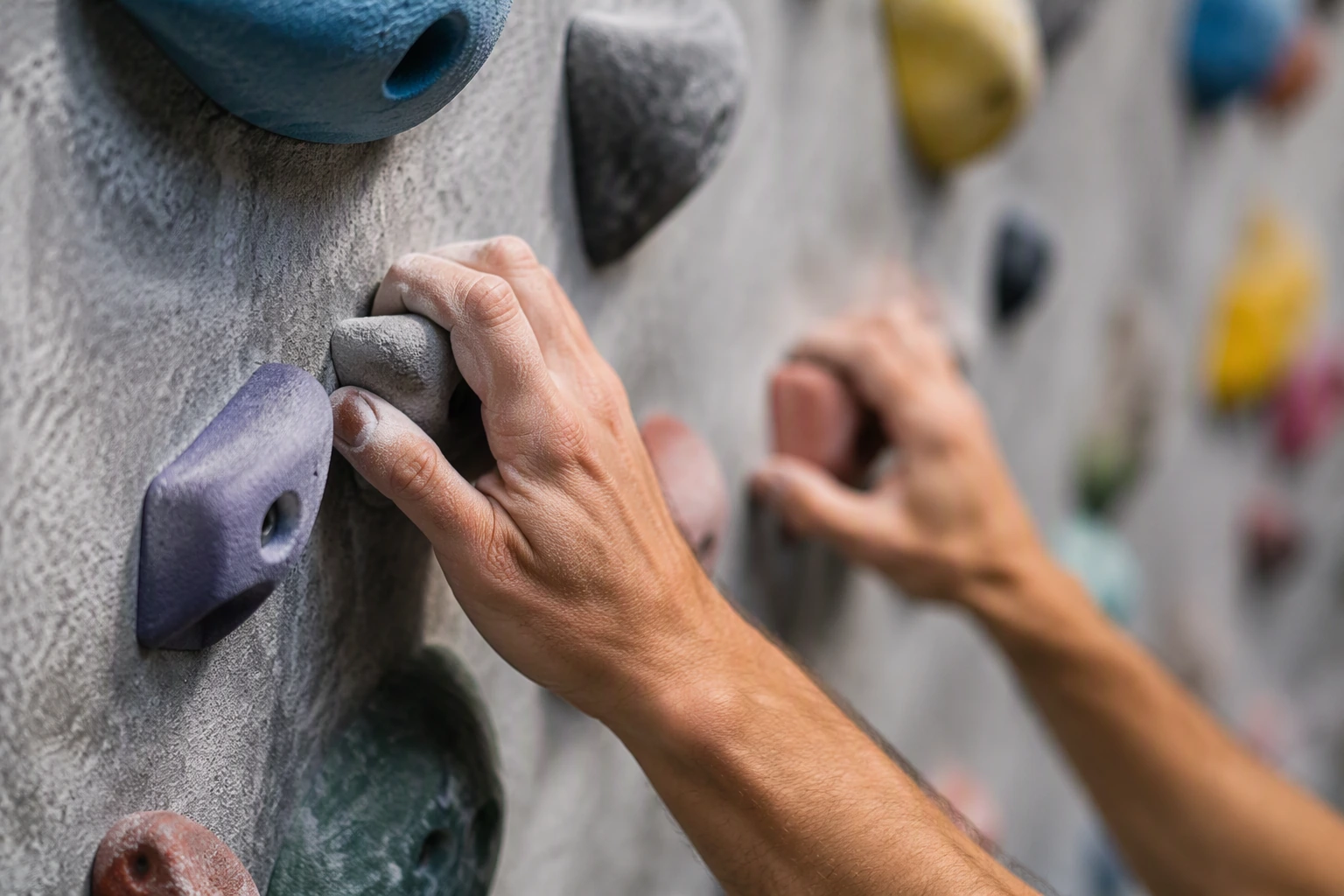
If you start climbing with a weak grip, you’ll quickly hit a plateau. Even if your arms and legs are strong, your progress will stall if your hands can’t keep up. Many beginners find themselves slipping off holds or getting “pumped out” (where your forearms fatigue and your fingers just won’t close) after a few minutes on the wall. That’s why trainers and coaches recommend targeting grip strength early—so you don’t limit your potential right from the start.
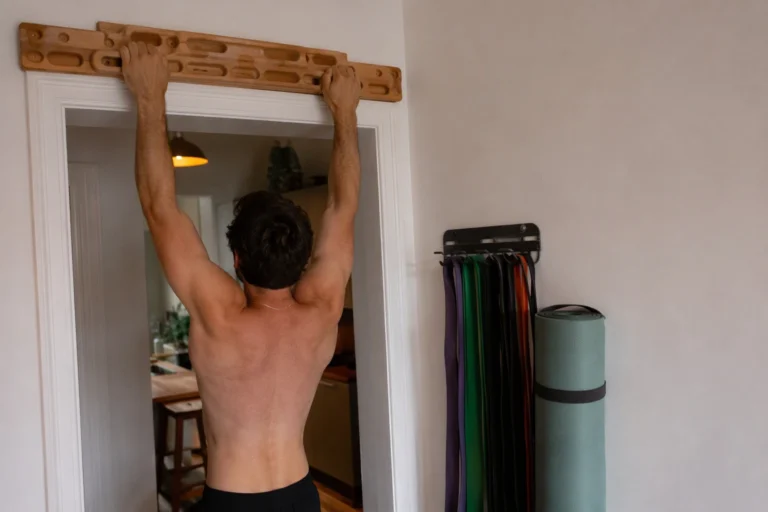
Hangboards are one of the most effective tools to build grip strength, and you don’t need to be an advanced climber to use them. These boards are designed with multiple pockets, edges, and slopers to mimic the variety of holds you’ll find at the gym or on real rock. Some hangboards even come with a phone holder, so you can time your hangs or follow a training app hands-free. Entry-level models start around $35, and higher-end options with more features can cost up to $100.
Hangboard training is straightforward but requires consistency. A basic routine might involve hanging with straight arms for 10 seconds, resting for 50 seconds, then repeating this sequence for 5-6 reps. Beginners should start with two sessions per week and focus on large holds to avoid finger injuries. Over time, as your grip gets stronger, you can progress to smaller edges and longer hang times.
Common mistakes beginners make include overdoing hangboard sessions or skipping rest days, which can lead to finger strains. Always warm up your fingers before starting any grip workout, and stop if you feel sharp pain. You’ll notice improvements in your climbing after about 4-6 weeks of regular hangboard use. With patience and good form, you’ll be able to hold your body weight on smaller holds and tackle harder routes.
Grip strength isn’t just about hanging longer—it unlocks more techniques and lets you climb with less effort. As you develop this skill, you’ll spend less energy fighting to stay on the wall and more time thinking about your next move. For beginners wondering, “Is rock climbing difficult for beginners because of grip strength?”—the answer is that grip can feel limiting at first, but it’s one of the easiest things to train with the right tools and routine.
"Grip strength is one of the biggest challenges for beginner climbers."True
This is true. Many new climbers find their forearms tire quickly, and developing grip strength takes time. Hangboard training can help improve this key physical skill, making climbing feel more manageable.
"You need to be very strong or athletic to start rock climbing."False
This is false. Most gyms offer beginner routes designed for various fitness levels. While strength helps, technique and consistent practice are often more important than raw athleticism for getting started.
What Makes Climbing Easier for Beginners?
Getting started with rock climbing can feel intimidating, but several practical steps will make your first sessions much easier. Choosing the right gear is your foundation. Proper climbing shoes usually cost $60–$120 and give you the grip you need to stay securely on holds. If you wear sneakers or ill-fitting shoes, expect to slip or struggle with footholds—especially on beginner routes. Chalk, available for $5–$15 per bag, helps absorb sweat and keeps your hands dry, improving your traction on every climb. Using both shoes and chalk together gives you the confidence to trust your feet and hands, even if you’re new.
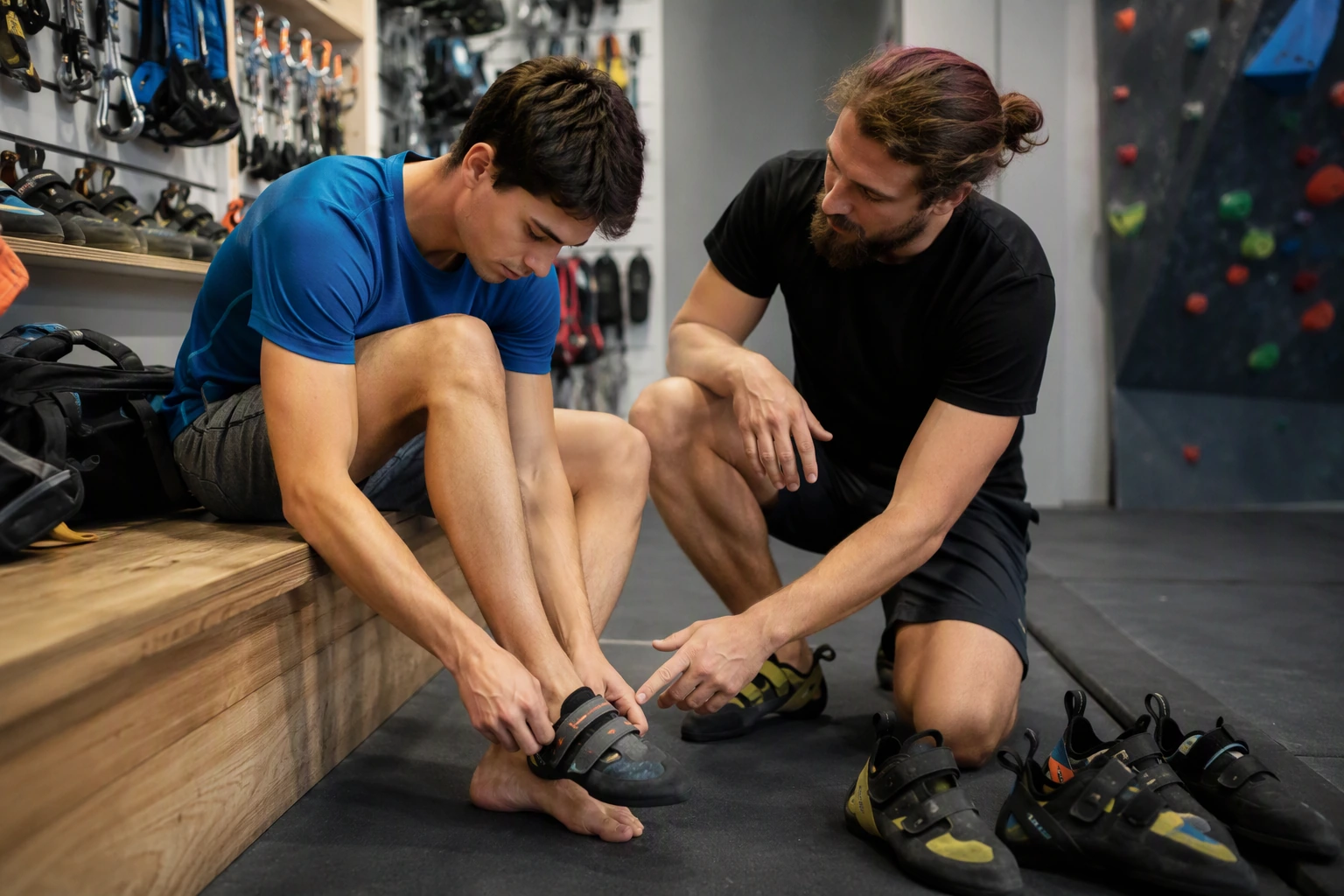
Finding routes that match your current fitness level is crucial. If you’re just starting, look for indoor routes graded 5.5–5.8 in the US system or 4–5a on the French scale. These climbs usually require less brute strength and focus more on technique. Attempting routes that are too difficult can lead to frustration or even minor injuries. Beginners often make the mistake of tackling advanced walls or boulders because they want a challenge, but this usually results in wasted energy and slower progress. Start simple; you’ll build confidence and skills much faster.
Grip strength is a major factor in climbing performance, and multi-functional hangboards are an excellent tool to train it at home. Hangboards with multiple pocket depths and edges simulate the variety of holds you’ll encounter at the gym or outdoors. You can find quality hangboards for $60–$150, some models even include a phone holder for tracking your training sessions. Beginners should try basic hangs: gripping the largest pocket and holding for 10–15 seconds, repeating this for 5–6 sets, two to three times per week. As your grip improves, you’ll notice more control and endurance on actual climbs. Remember, consistent training (not just once a month) is key for real progress.
Learning proper climbing techniques from instructors or experienced climbers accelerates your progress. Many gyms offer introductory classes for $20–$40 per session, where you’ll learn how to position your body, use your legs efficiently, and avoid common mistakes like over-gripping or relying solely on your arms. Watching experienced climbers can also teach you smart movement—such as twisting your hips toward the wall or stepping high to conserve energy. If you skip this step, you risk developing bad habits that are harder to fix later. Don’t be shy about asking questions or requesting feedback; most climbers love sharing tips with newcomers.
Making climbing easier as a beginner is all about preparation and smart choices. Invest in the right shoes and chalk, start on manageable routes, use hangboards for grip training, and seek guidance from those who know the ropes. Avoid rushing into advanced climbs or skipping technique lessons—these mistakes slow your progress and increase the risk of injury. With these strategies, you’ll turn the initial challenge of rock climbing into steady improvement and enjoyable sessions.
How Can Hangboard Training Help New Climbers?
Hangboard training is one of the most effective ways for new climbers to develop the grip strength that rock climbing demands. Grip strength is a limiting factor for many beginners, and consistent hangboard use can help you progress faster on the wall. Unlike standard pull-up bars or dumbbells, hangboards are designed to mimic real climbing holds, offering a range of pocket depths and edge sizes to challenge your fingers in climbing-specific ways.
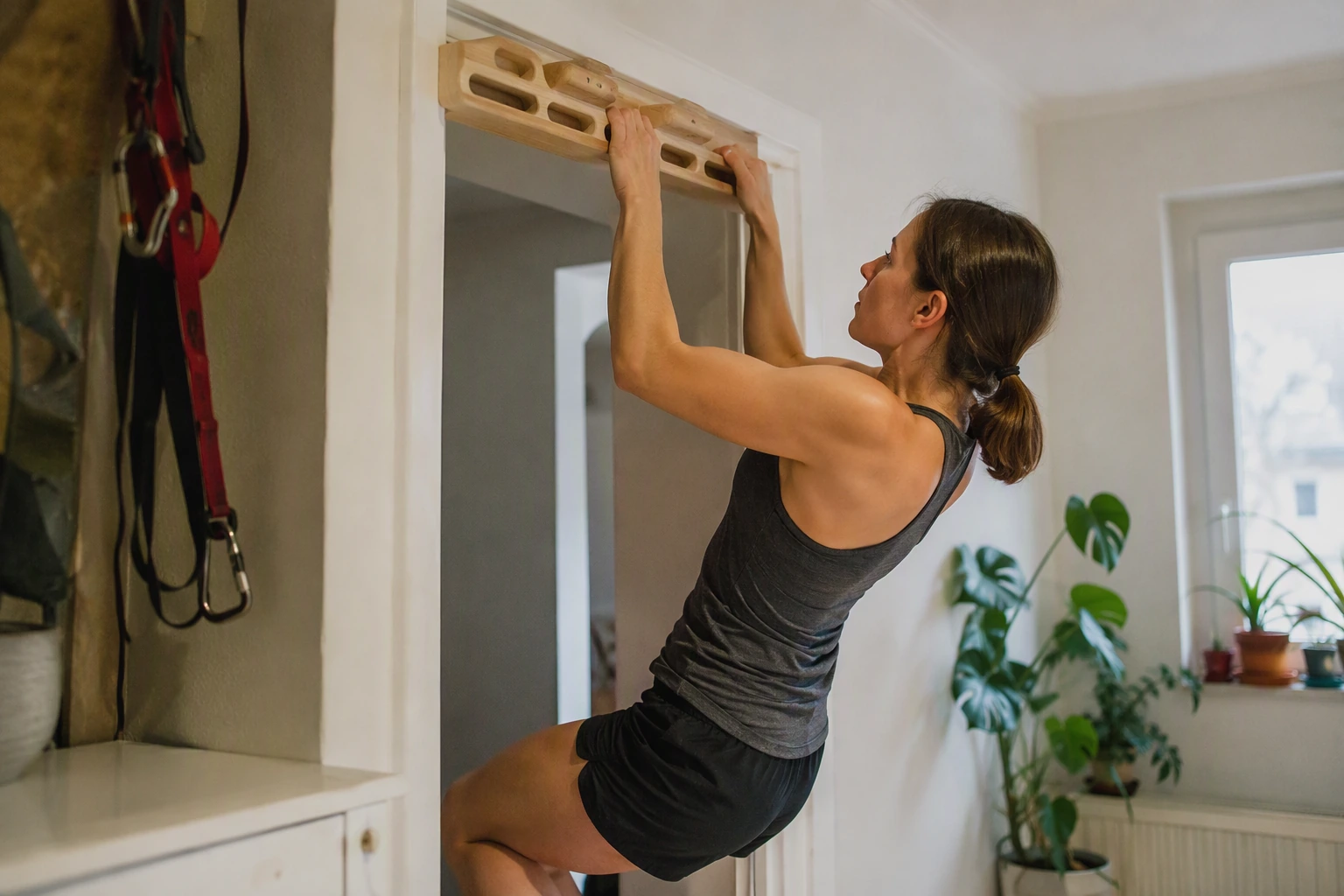
Many hangboards are adjustable, letting you choose grips that match your current skill level. For example, you might start with larger jug holds and gradually move to smaller edges as your strength improves. This step-by-step adjustment keeps your training productive but safe, especially during your first few months. You can perform repeaters (6-10 second hangs with 5-10 second rests) for 3-5 sets, which is a classic protocol to see steady progress.
Regular hangboard sessions, two or three times a week, can significantly increase your grip strength over time. According to multiple climbing coaches, even ten-minute sessions can lead to noticeable gains within a few weeks. It's important to rest between sessions to avoid overuse injuries—never train on a hangboard with sore fingers or if you feel sharp pain.
Some hangboards include convenient features like an integrated phone holder. This might sound minor, but having your phone at eye level makes it easy to time your hangs or follow along with guided routines. Instead of fumbling with a timer or losing track of your sets, you can focus on your grip and form. This is especially useful if you're following structured training plans that call for precise timing.
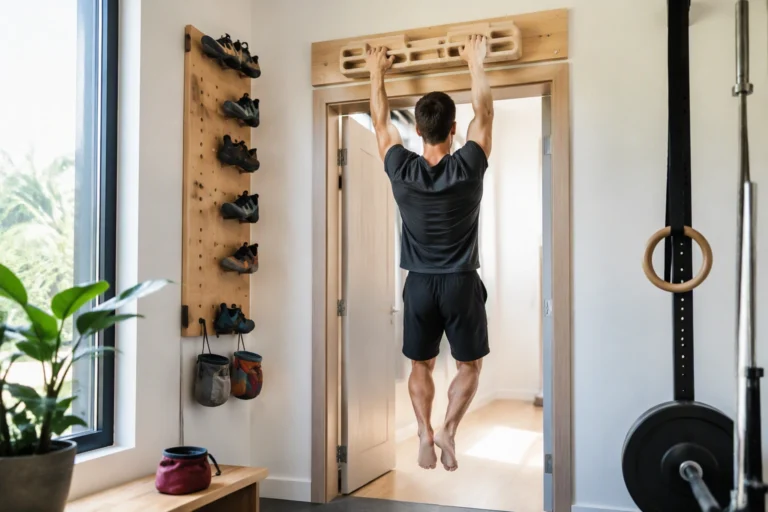
Hangboards are a versatile addition to any home fitness setup, taking up little space and requiring only a sturdy doorway or wall for mounting. Prices range from $40 for basic models to $120 or more for advanced boards with multiple hold types and accessories. Since hangboards simulate the kinds of grips you'll find on real routes, they are more targeted than generic grip trainers or hand grippers. If you're short on time or can't get to a climbing gym, a hangboard lets you keep building your climbing foundation at home.
One common mistake is jumping straight into advanced holds or overdoing the volume in your first sessions. Start with easier holds and shorter hangs, such as 7 seconds on, 10 seconds off, for 3-4 sets. Focus on controlled form and gradual progression to avoid finger injuries. Remember, progress in grip strength is a marathon, not a sprint—steady, consistent training beats one-off marathon sessions every time.
Finally, hangboards make excellent gifts for climbers who want to enhance their training. Whether you're a new climber setting up your first home gym or looking to supplement your gym visits, adding a hangboard can help you bridge the gap between beginner and intermediate climbs. With regular practice, you'll notice a marked improvement in how long you can hold a grip and how confident you feel tackling new routes.
"Hangboards can help both beginners and advanced climbers improve their performance."True
This is true. Hangboards offer multiple grip options and can be used for a range of exercises. They support gradual improvement, making them valuable for all experience levels.
"Grip training with hangboards is only for experts and can’t benefit beginners."False
This is false. Many hangboards are designed with different pocket depths and exercise options, making them suitable for beginners who want to build foundational grip strength safely.
What Gear Should Beginners Consider for Climbing at Home?
If you’re a beginner asking, “Is rock climbing difficult for beginners?” and want to train at home, choosing the right gear is essential for safe and effective progress. A hangboard should be your first consideration, as it directly targets grip strength—a skill vital for climbing. Look for hangboards that offer varied pocket depths and multiple edge shapes, which simulate different climbing holds and allow you to train a range of finger and grip positions. Many entry-level hangboards feature pockets from 15mm to 35mm, and edge widths from 20mm to 40mm, giving you options to match your current ability and push toward improvement.
Safety and installation are key priorities when selecting a hangboard for home use. Choose models with pre-drilled holes and clear mounting instructions, so you can install them securely above a doorway or on a solid wall. Some hangboards cost around $40 to $70 and include easy-to-follow templates that make installation straightforward. Avoid mounting your hangboard on drywall alone; always anchor it into solid wood or masonry to prevent accidents. If you’re unsure about installation, consult a local hardware expert or refer to official product guides for step-by-step instructions.
Hangboards aren’t just training tools—they make practical gifts for new climbers eager to build strength at home. Models with integrated phone holders, such as the “Climbing Hangboard with Phone Holder,” offer extra convenience by letting you track your training intervals, watch tutorials, or listen to music during your session. If you’re buying for someone else, consider their hand size and finger strength, and opt for designs with both shallow and deep pockets so they can progress gradually. Giving a hangboard as a gift is a thoughtful way to support a beginner’s climbing journey and encourage regular practice.
Pairing your home climbing gear with professional guidance is one of the best ways to avoid common mistakes and maximize your results. Beginners often make the error of overtraining, especially on small edges, which can lead to finger injuries. Start with two sets of 10-second hangs on comfortable pockets, resting at least one minute between sets. Increase difficulty slowly, and seek advice from climbing coaches or trusted online resources. Reliable videos and articles can explain proper technique, safe warm-ups, and progressive routines, helping you build effective habits from day one. A hangboard is a powerful tool, but using it wisely with expert advice ensures you train safely and steadily improve.
If you’re tempted to skip guidance and figure things out solo, remember that small mistakes—like poor finger positioning or rushing progression—can set you back for weeks. The right home climbing gear, combined with advice from experienced climbers, makes your training safer and more rewarding. As you start, aim for two or three short sessions per week, focusing on steady improvement rather than instant results. Over time, this approach will give you the grip strength and confidence you need for your first real climbing wall.
FAQ
Is rock climbing safe for beginners?
Rock climbing is generally safe for beginners when done at supervised indoor gyms and with proper gear. Always follow safety instructions and use recommended equipment.
How long does it take to get better at climbing as a beginner?
Most beginners notice improvement within a few weeks of regular practice. Grip strength and technique often show progress after two to four weeks of consistent training.
What equipment do I need to start rock climbing indoors?
Essential gear includes climbing shoes, a harness, chalk, and for home training, a hangboard. Many gyms provide rental options for shoes and harnesses.
Can I train for climbing at home without a lot of space?
Yes, hangboards are compact and can be installed above a doorway or on a wall, making them ideal for small spaces. They offer a variety of exercises for grip strength.
Are hangboards really helpful for beginner climbers?
Yes, hangboards help beginners safely develop grip strength and finger endurance, which are essential for climbing. Many designs are beginner-friendly with adjustable grips.
Related Products
Practical VVZIO equipment that matches the training focus of this article.
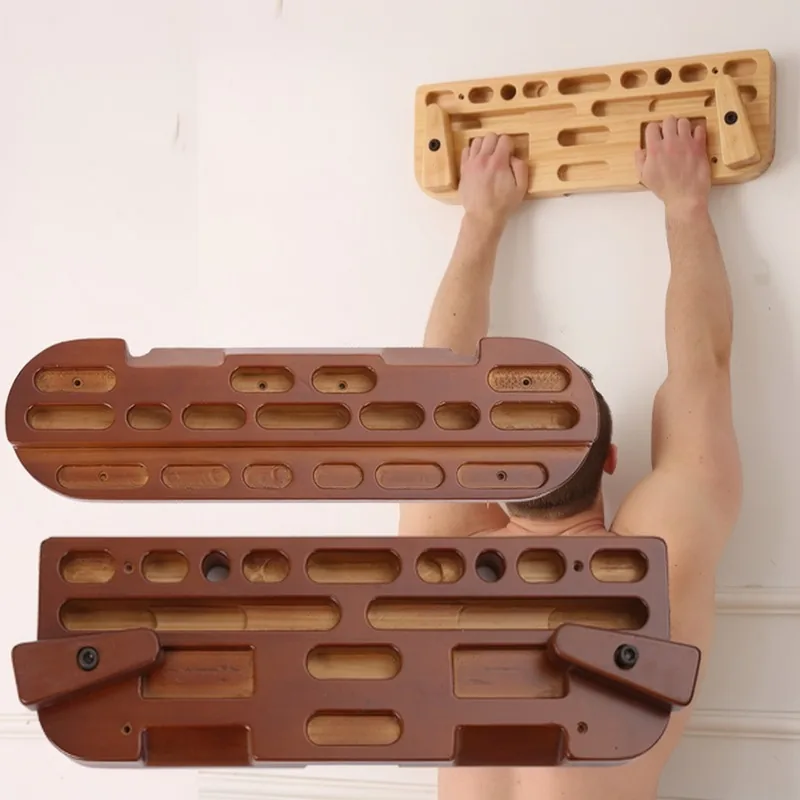
Portable Wooden Climbing Hangboard
This portable wooden climbing hangboard is ideal for beginners to safely train grip and finger strength at home, directly supporting the article's advice for new climbers.
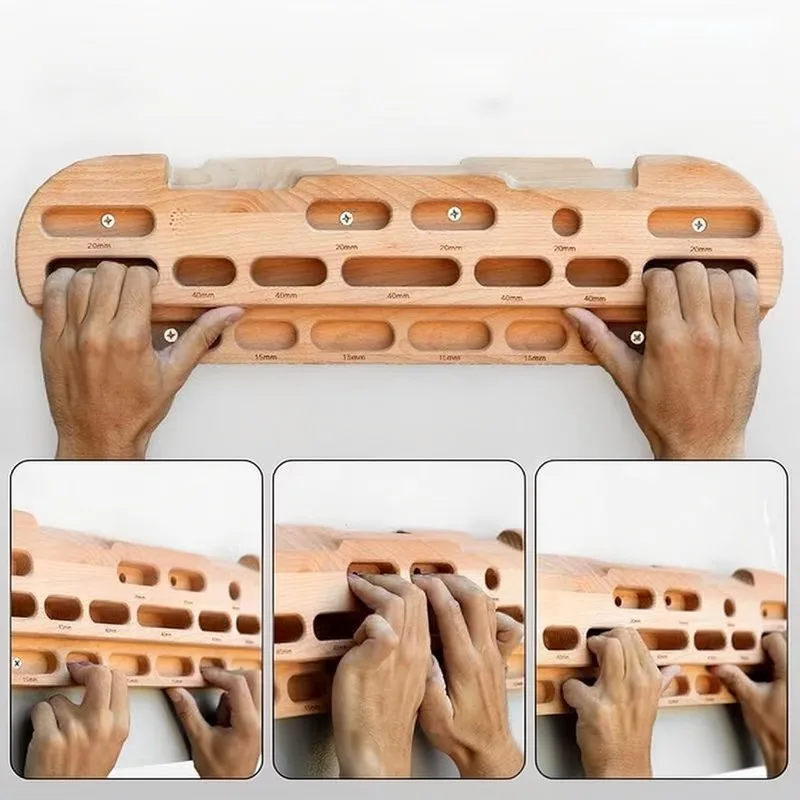
Wooden Hangboard for Finger Strength Training
The wooden hangboard for finger strength training specifically targets the grip and finger muscles that beginners struggle with in rock climbing, as discussed in the article.
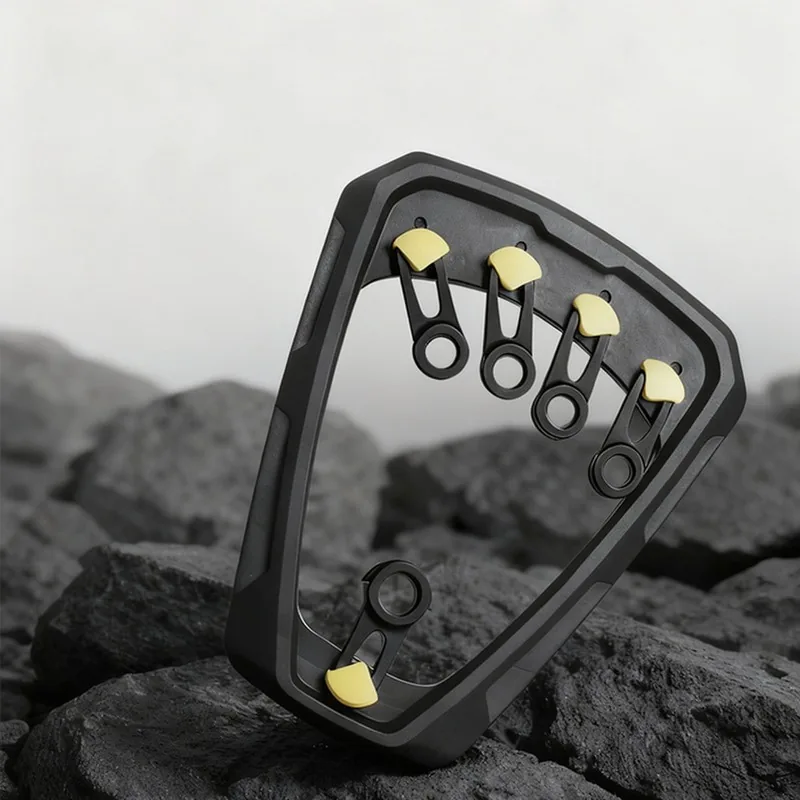
3-Level Adjustable Rotating Finger Strength Trainer
The 3-level adjustable rotating finger strength trainer helps new climbers progressively build finger and forearm strength, addressing a key challenge highlighted in the article.
Related reading

Top 5 TRX Workouts for Beginners: Essential Moves and Tips
TRX suspension training offers an effective way for beginners to build strength and stability at home with minimal…Top Features to Look for in Climbing Hangboards
Choosing the right climbing hangboard can significantly improve your training effectiveness and comfort at home. Key features such…Benefits of Using a Hangboard for Climbers: Strength, Versatility, and Practical Tips
Hangboards are specialized training tools that help climbers build finger and grip strength, making them essential for improving…