










ヨガマットの掃除方法:素材別の安全なクリーニング方法
Keeping your yoga mat clean is essential for hygiene, grip, and extending its lifespan. Different materials, such as natural rubber or microfiber, require specific cleaning approaches. Learn safe techniques for regular maintenance, what products work best for popular mats and towels, and how to avoid common mistakes that can damage your gear.
You know the feeling: you roll out your yoga mat, ready for a calming session, only to notice a faint odor or visible grime that’s impossible to ignore. Maybe you’ve wiped it down with a wet cloth before, but the smell lingers, and the surface still feels sticky or slippery. It’s frustrating when your mat, meant to be a space for relaxation and focus, becomes a distraction instead. Maybe you worry about germs, sweat buildup, or even skin irritation after stretching and moving on a mat that’s not as fresh as it should be.
If you’ve ever wondered how to clean your yoga mat without damaging its material or compromising your practice, you’re not alone. The confusion is real—different mats need different care, and the wrong cleaning method can ruin their grip or even cause them to break down faster. Plus, with so many products and DIY recipes out there, it's easy to feel overwhelmed or unsure about what’s actually safe. Understanding why regular yoga mat cleaning matters isn’t just about appearances; it’s about health, comfort, and preserving your mat’s longevity so you can get the most out of every workout.
- Use gentle cleaners suitable for your mat’s material
- Wipe down mats after each practice to prevent buildup
- Avoid soaking or machine washing unless the mat allows
- Choose natural cleaners for sensitive materials like rubber
- Proper drying prevents odors and extends your mat’s life
Why Regular Yoga Mat Cleaning Matters
Cleaning your yoga mat regularly is essential to keep your practice safe, comfortable, and rewarding. Every time you flow through poses, your mat collects sweat, oils from your skin, and particles from the floor. These residues don’t just look unsightly—they create the perfect environment for bacteria and odors to develop, especially on closed-cell mats or natural rubber surfaces like the eKO Lite Yoga Mat.
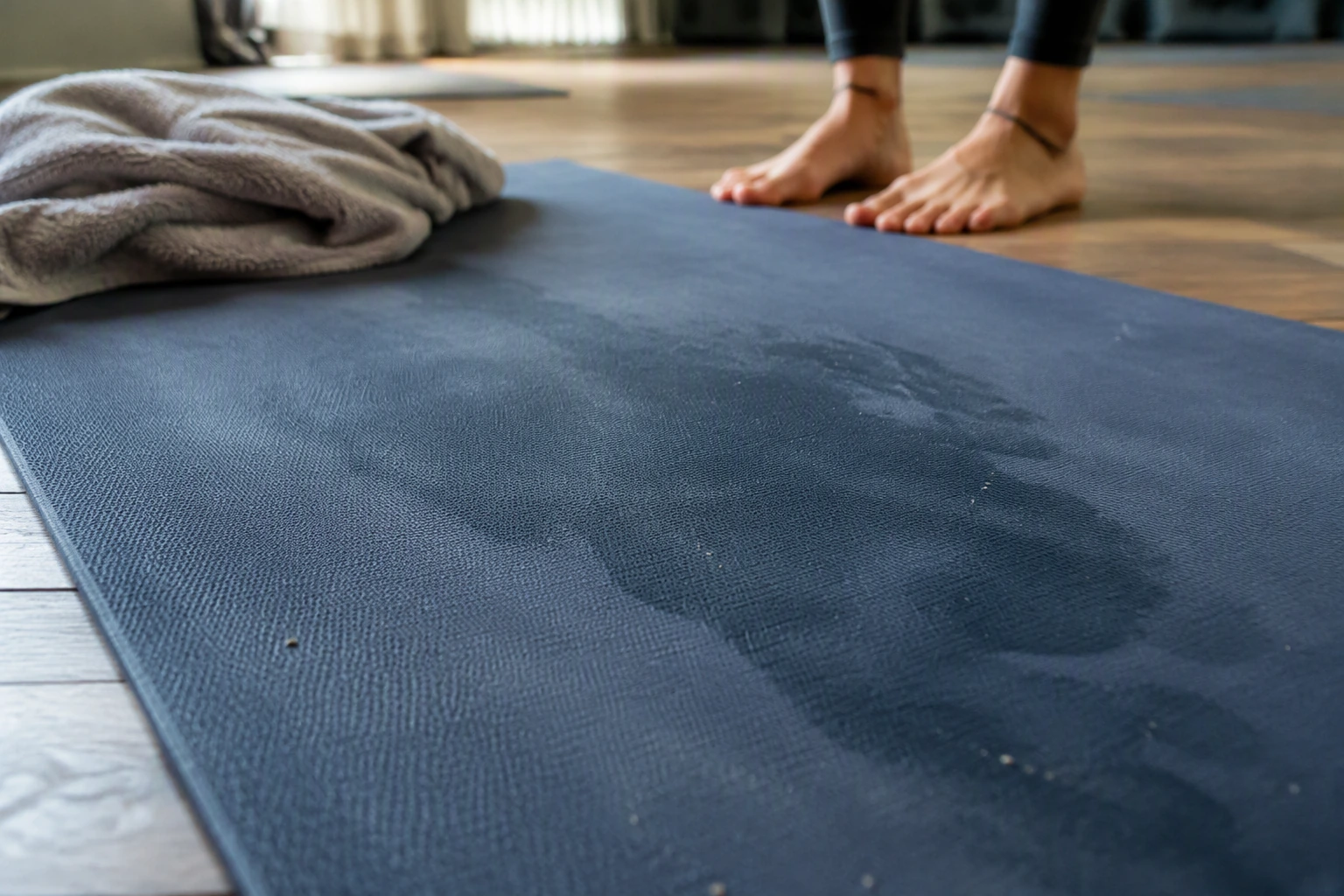
If you leave your mat uncleaned for several sessions, you might notice a musty smell, sticky patches, or even visible grime. This is more than just unpleasant: bacteria and fungi thrive in warm, moist conditions, and your mat can quickly become a breeding ground. According to general guidance from health experts, cleaning high-touch fitness equipment after each use helps reduce the risk of skin irritation and odor build-up. For yoga mats, even a quick wipe with a natural cleaner like the Liforme Ultimate Everyday Yoga Mat Cleaner after your session can make a difference.
Grip is another crucial reason to clean your mat. Over time, the buildup of sweat and body oils creates a slick surface, making it harder to hold poses—especially in downward dog or balances. Mats designed for grip, such as the Liforme Zodiac Yoga Mat or eKO Travel Superlite Yoga Mat, lose their effectiveness if you don’t remove residue regularly. You’ll notice slipping sooner on textured or moisture-activated surfaces, and this can disrupt your focus or even lead to minor injuries during practice.
Joint support also depends on regular mat care. Mats like the PRO Lite Yoga Mat are engineered for durability and stability, but embedded dirt can break down the material faster, reducing cushioning and comfort. If you practice daily, a monthly deep clean with a gentle detergent and water, followed by air drying, will help preserve both the grip and support of your mat for years, potentially delaying the need for a replacement (which can cost $50–$140 for quality options).
Think about the tools you use as well. If you prefer a towel for hot yoga, such as the Yogitoes Hot Yoga Mat Towel or Equa Yoga Hand Towel, remember to wash these after every class. Washing towels in hot water and drying them completely kills bacteria and keeps your mat surface fresh. Don’t forget that skipping mat cleaning can lead to skin irritation or even infections—so maintaining a routine is part of safe, healthy yoga practice.
Neglecting your yoga mat’s cleanliness isn’t just about aesthetics; it affects your well-being and the longevity of your equipment. If you want your mat to support you day after day, make cleaning a habit. You’ll enjoy better grip, cleaner air, and a safer foundation for every pose.
How to Clean Different Types of Yoga Mats
Different yoga mat materials need unique cleaning methods to keep them fresh and long-lasting. If you use a natural rubber mat like the eKO Lite or eKO Travel Superlite, you’ll want to avoid harsh chemicals and heavy scrubbing. Instead, mix a few drops of mild dish soap into 16 ounces of warm water, dip a clean cloth into the solution, and gently wipe the surface. Be careful not to soak the mat, as excess moisture can break down natural rubber over time. Rinse your cloth in clean water, wipe away any soapy residue, and let the mat air dry flat and out of direct sunlight—usually about 30 to 60 minutes will do the trick.
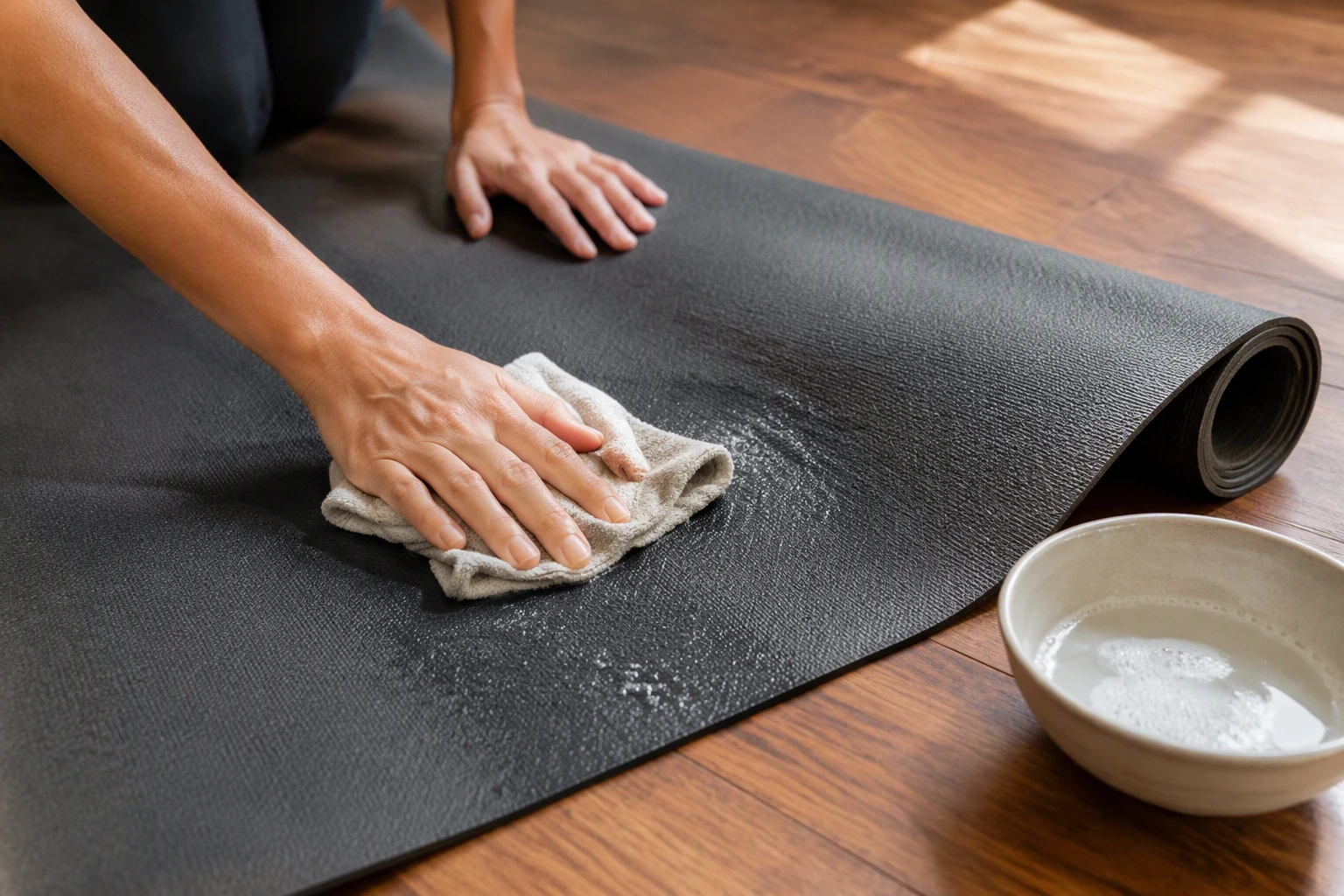
For an even gentler routine, natural rubber mats respond well to specialized cleaners like the Liforme Ultimate Everyday Yoga Mat Cleaner, which uses olive-based surfactants. Spray the cleaner evenly across the mat, then use a soft, damp cloth to wipe away sweat and dirt. Avoid using essential oils, vinegar, or aggressive sprays on natural rubber, as these can make the material brittle or reduce its grip.
Durable mats such as the PRO Lite are built to withstand regular practice and tougher cleaning. You can use a damp sponge with a drop of dish soap in a quart of water to scrub both sides. Focus on visible stains or sweat marks, but don’t forget the edges, which can trap dirt from floors. After cleaning, rinse the sponge and wipe off any leftover soap. Stand the mat on end or hang it over a shower rod for thorough drying, which usually takes about one to two hours. It’s best not to put the PRO Lite in a washing machine or expose it to extreme heat, since this can damage the mat’s structure.
Microfiber towels like the Yogitoes Hot Yoga Mat Towel and Equa Yoga Hand Towel need a different approach. After every sweaty class, machine wash the towel in cold water with a mild detergent—no bleach, fabric softeners, or dryer sheets, since these can clog the fibers and reduce grip. Tumble dry on low or hang to air dry; high heat can shrink or warp the silicone nubs on Yogitoes towels. For a quick refresh between washes, rinse the towel in cool water and wring thoroughly before letting it dry flat.
Taking the right steps for your yoga mat or towel material not only keeps your gear hygienic but also preserves its essential features, like grip and cushioning. Natural rubber mats last longer with gentle, low-moisture cleaning and specialty products, while durable mats can handle regular soap-and-water routines. Microfiber towels thrive with frequent gentle washes. By matching your cleaning method to the material, you’ll avoid common mistakes—like using harsh chemicals or too much water—that can shorten the life of your favorite yoga essentials. Each care routine only takes about 10 to 20 minutes, making it easy to stay consistent and enjoy a clean, safe surface for every practice.
"Wiping down your yoga mat after every use keeps it cleaner and safer."正しい
Regularly wiping your yoga mat removes sweat and oils before they can build up. This simple habit helps prevent bacteria growth, unpleasant odors, and keeps the mat’s grip intact, especially for materials like natural rubber.
"You can throw any yoga mat in the washing machine for a deep clean."誤り
Most yoga mats, especially natural rubber and high-performance models, should not be machine washed. The agitation and water exposure can cause warping, material breakdown, and shorten the mat’s lifespan.
What Products Are Safe for Yoga Mat Cleaning?
If you’re wondering what products are actually safe for yoga mat cleaning, you’ll want to avoid anything harsh or abrasive. Most yoga mats respond well to gentle, purpose-made cleaners, so start with options designed for your specific mat material. For example, the Liforme Ultimate Everyday Yoga Mat Cleaner uses olive-based surfactants and is formulated to clean mats without degrading their surface. This cleaner is especially recommended for Liforme mats, but it’s gentle enough for most non-slip mats, costing about $18 for a 125ml spray bottle.
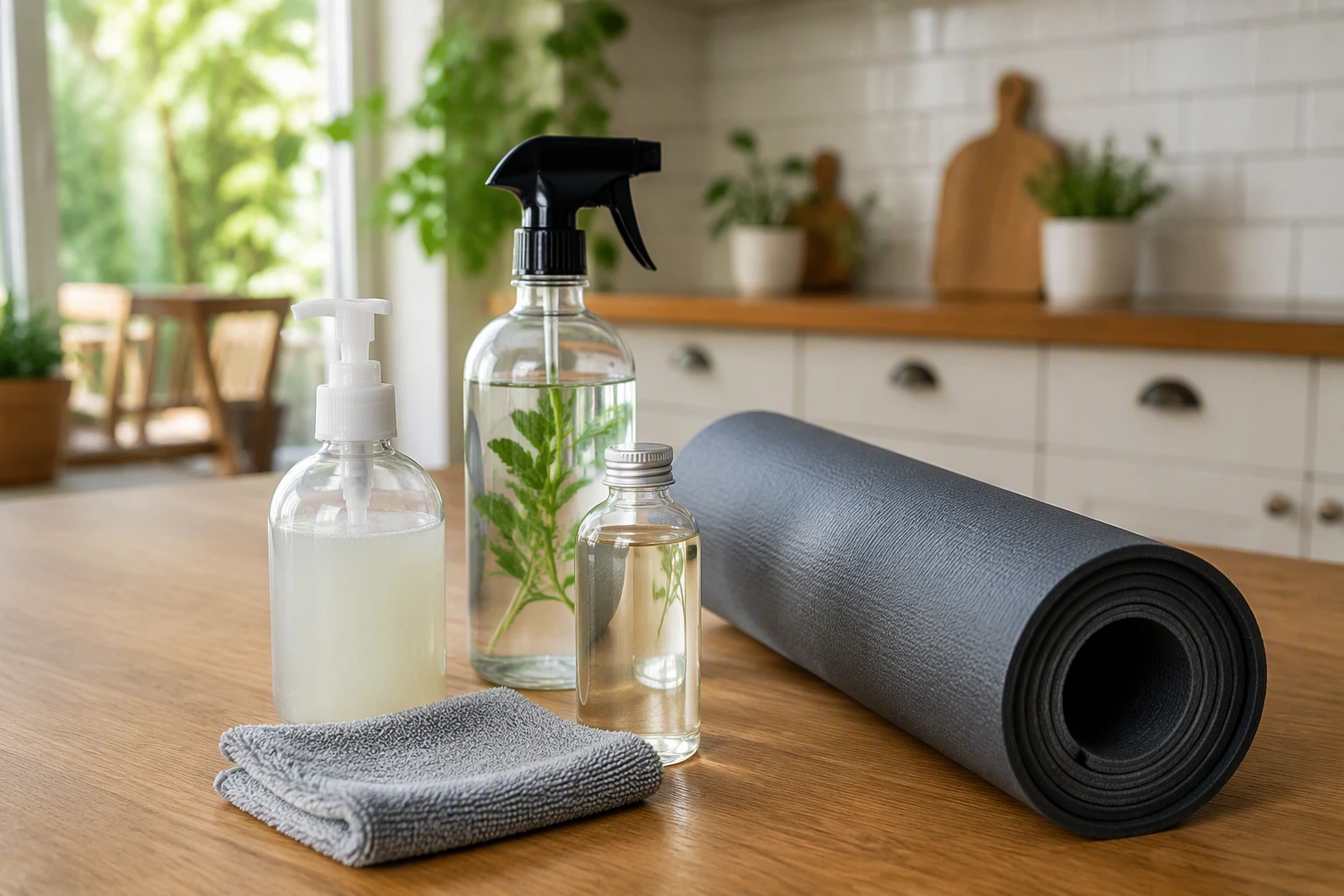
Natural rubber mats like the eKO Lite Yoga Mat or eKO Travel Superlite Yoga Mat require special care. You should avoid cleaners containing alcohol, bleach, or strong acids, since these can break down the rubber and reduce grip. Instead, use mild soap diluted in water or a gentle natural cleaner like the Liforme spray. Wipe the mat with a damp cloth, using about 5-10 sprays per cleaning session, and let it air dry for at least 20 minutes. If you use commercial wipes, make sure they are labeled as safe for natural rubber.
For synthetic mats such as the PRO Lite Yoga Mat, you have a bit more flexibility. These mats can handle mild soap and water, and some commercial mat sprays. However, don’t use household cleaning sprays or antibacterial wipes not meant for yoga mats, as they often contain chemicals that degrade the material over time. If your mat sees heavy use, clean it with a purpose-made spray weekly and deep clean it monthly with diluted dish soap and water. Rinse thoroughly and dry completely before rolling it up.
When deciding between natural and commercial cleaners, consider your mat’s material and how sensitive your skin is. If you practice hot yoga or sweat heavily, you might need a cleaner that can handle frequent washing and kill bacteria. Natural cleaners like Liforme’s olive-based spray are safe for daily use and leave no residue, making them a reliable choice for both rubber and synthetic mats. Commercial cleaners are best when you need to remove tough stains, but always spot test first to avoid discoloration or slippery surfaces.
Some yogis make the mistake of using vinegar solutions, thinking they’re universally safe. While vinegar is a natural disinfectant, it’s too acidic for most rubber mats and can weaken the material over time. Always check your mat’s instructions: many brands like Manduka and Liforme provide cleaning guidelines to help you avoid common mistakes. If you’re unsure, stick to a mild soap or a branded natural cleaner. Avoid scrubbing with brushes or abrasive pads—these can damage the mat’s grip and alignment markings, especially on mats with etched surfaces.
If your mat comes with special features, such as alignment guides or textured grip, use only gentle cleaners and soft cloths. A cleaning routine of 5 minutes after each practice and a deeper clean once a month will keep your mat in top condition. Keep your mat out of direct sunlight while drying to prevent fading or warping. Choosing the right cleaning products is key to keeping your mat safe, grippy, and long-lasting through hundreds of sessions.
Can I Use Household Cleaners on My Yoga Mat?
"I can clean my yoga mat with any household cleaner." While it might seem convenient to grab your standard kitchen or bathroom spray, using common household cleaners on your yoga mat is often a recipe for damage. Many mats, including popular options like the eKO Lite Yoga Mat made from natural rubber, are sensitive to harsh chemicals found in multi-surface sprays, bleach, and disinfectant wipes. These products can break down the mat's material, leading to cracks, fading, or loss of grip after just a few uses.
"I can use bleach or alcohol wipes to sanitize my mat." Bleach and alcohol-based cleaners are especially risky for most yoga mats. These chemicals can strip away moisture and natural oils, causing rubber and foam mats to dry out, lose elasticity, and even develop an unpleasant sticky or slippery residue. Instead of achieving a deep clean, you could end up with a mat that feels unsafe and wears out much faster, making your investment far less cost-effective.
If you don't have a specialty mat cleaner, there are still safe ways to keep your mat fresh 自宅での使用にも適しています。. For most mats, mixing a solution of one part mild dish soap to fifty parts water (about 1 teaspoon of soap in 1 liter of water) works well. Dampen a clean cloth or sponge in the mixture, then gently wipe down your mat. Avoid saturating the mat, especially if you own a natural rubber style like the eKO Travel Superlite, as excess water can seep inside and cause mold or lingering odors.
After cleaning, always rinse your mat with a separate clean, damp cloth to remove any soap residue. Residue left behind can become slippery, which is not just annoying—it can make poses like Downward Dog or Warrior II much less stable. Let your mat air dry flat, out of direct sunlight, to prevent fading or warping, which is especially important for colored or textured mats like those from Liforme or Manduka's PRO Lite range. Direct sun can break down both natural and synthetic materials over time, reducing your mat's lifespan.
If you want a truly safe and easy option, consider natural cleaners designed for yoga mats, such as sprays with olive-based surfactants. These products clean without introducing slippery films or harsh chemicals, and they're gentle enough for daily use. But if you clean with household products, stick to the gentlest formulas possible, and always test a small corner first. Avoid using vinegar, hydrogen peroxide, or essential oils in high concentration, as they can degrade mat surfaces or leave behind lingering odors that make your practice less pleasant.
Skipping proper drying is another mistake to watch for. Rolling up a damp mat encourages bacteria and mildew growth, which can make your next session less hygienic and shorter-lived. Always allow at least 30-60 minutes for your mat to air dry before storing it away. With a little extra care and the right cleaning method, you can keep your yoga mat fresh, safe, and ready for every practice—no matter the material.
"Natural cleaners are best for sensitive materials like rubber yoga mats."正しい
Natural cleaners, such as those with olive-based surfactants found in Liforme's cleaner, effectively cleanse without damaging natural rubber mats. Harsh chemicals can dry out or degrade these materials over time.
"Letting a yoga mat dry in direct sunlight always helps it dry faster with no downside."誤り
Direct sunlight can cause fading and make some mats, especially natural rubber, brittle or cracked. Air drying in the shade or indoors is safer for maintaining the mat’s integrity.
How to Dry and Store Your Yoga Mat Properly
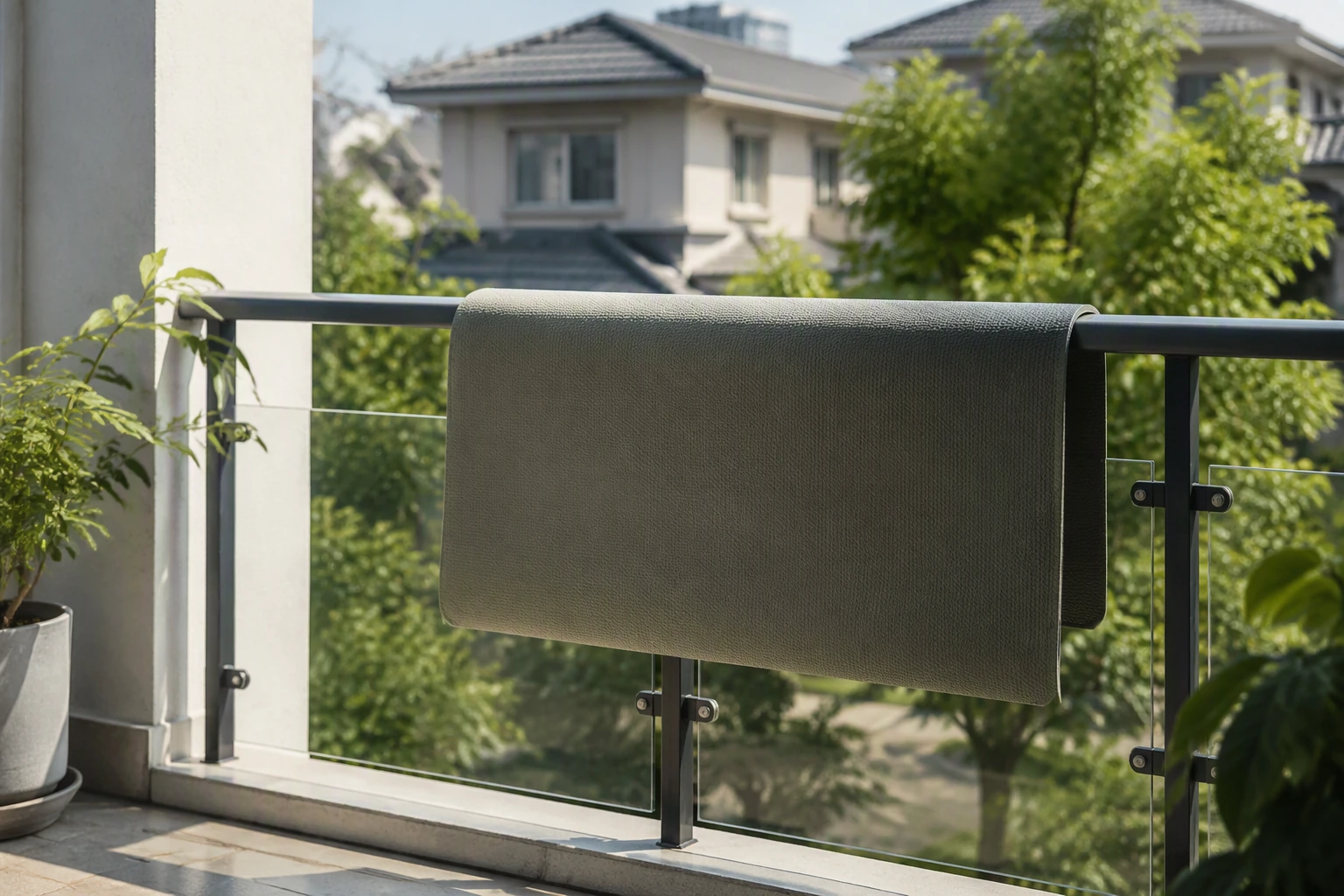
"If I leave my yoga mat rolled up immediately after cleaning, it will dry just fine." That’s not true. Rolling your mat while it’s still damp traps moisture inside, which can lead to mold and unpleasant odors. For any type of yoga mat, always air dry it thoroughly before rolling or storing it away. Hang your mat over a shower rod, balcony railing, or a sturdy clothesline, letting both sides get plenty of airflow for at least 30 to 60 minutes. This helps prevent bacteria buildup and keeps your mat fresh for your next session.
"You should always roll your yoga mat instead of folding it." This is generally true for most mats, but not for every type. Standard mats like the PRO Lite or eKO Lite hold their shape best when rolled loosely with the top (practice) side facing out. Rolling avoids creases that can permanently damage the cushioning or grip. However, travel mats such as the eKO Travel Superlite are designed to be folded without harm, so you can pack them flat in a suitcase or backpack. Always check your mat’s care instructions to avoid unnecessary wear.
Proper storage goes beyond just drying. Once your mat is completely dry, store it in a cool, dry place away from direct sunlight, which can degrade the material over time. A breathable mat bag or dedicated shelf keeps dust off and helps extend the lifespan of the mat’s surface. Steer clear of leaving your yoga mat in a hot car trunk or tightly packed gym locker, where heat and humidity can break down materials like natural rubber or foam.
Don’t forget about your yoga towels. Towels like the Yogitoes Hot Yoga Mat Towel or Equa Yoga Hand Towel should be washed and dried thoroughly before storing, as even a little leftover moisture can invite mildew. Fold towels instead of rolling them, as this saves space and keeps the silicone nubs or grip fibers from being crushed. Store towels in a drawer or cubby with good airflow, and avoid piling heavy items on top.
Small changes in your drying and storage routine can make a noticeable difference in how long your yoga gear lasts. Take a few extra minutes after practice to hang everything up and let it breathe. If you practice several times a week, consider rotating between two mats so each has enough time to dry and recover fully. With a little attention, your mat and towels will stay fresher, cleaner, and ready for your next practice.
よくあるご質問
How often should I clean my yoga mat?
For regular practitioners, wiping down your mat after every session and giving it a deeper clean once a week is recommended. Less frequent use may require a deep clean every few weeks.
What should I do if my yoga mat smells bad?
A persistent odor means your mat may need a thorough cleaning. Use a gentle mat cleaner or a solution of water and mild soap, then let the mat air dry completely before storing.
ヨガマットの掃除に酢やエッセンシャルオイルを使用できますか?
Some mats tolerate diluted vinegar or essential oil sprays, but natural rubber and microfiber surfaces can degrade or become slippery. Always check the manufacturer’s care instructions before using homemade solutions.
Is it safe to use baby wipes on yoga mats?
Most baby wipes contain additives or moisturizers that leave residue and can affect grip. It’s safer to use a cleaner formulated for yoga mats or a damp cloth with water.
How do I clean a yoga towel like Yogitoes?
Yogitoes and similar towels are usually machine washable with cold water and mild detergent. Avoid fabric softeners, and air dry or tumble dry on low to preserve grip and texture.
関連商品
本記事のトレーニング内容に合った実用的なVVZIO機器。.
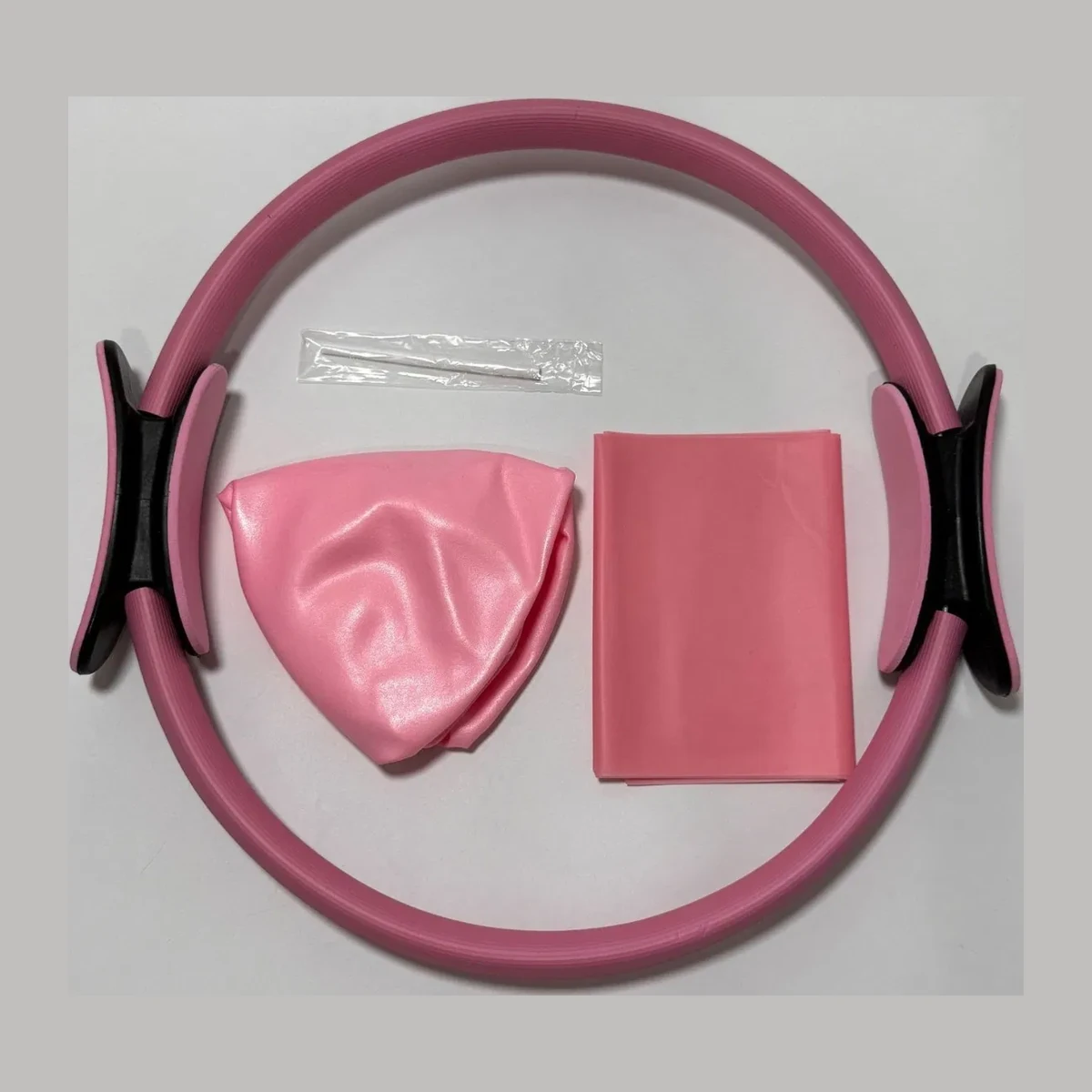
ピラティスリング&ミニボールセット(レジスタンスバンド付き)
This Pilates set includes a ring and mini ball, ideal for low-impact mat workouts that complement yoga and require clean mats for hygiene.
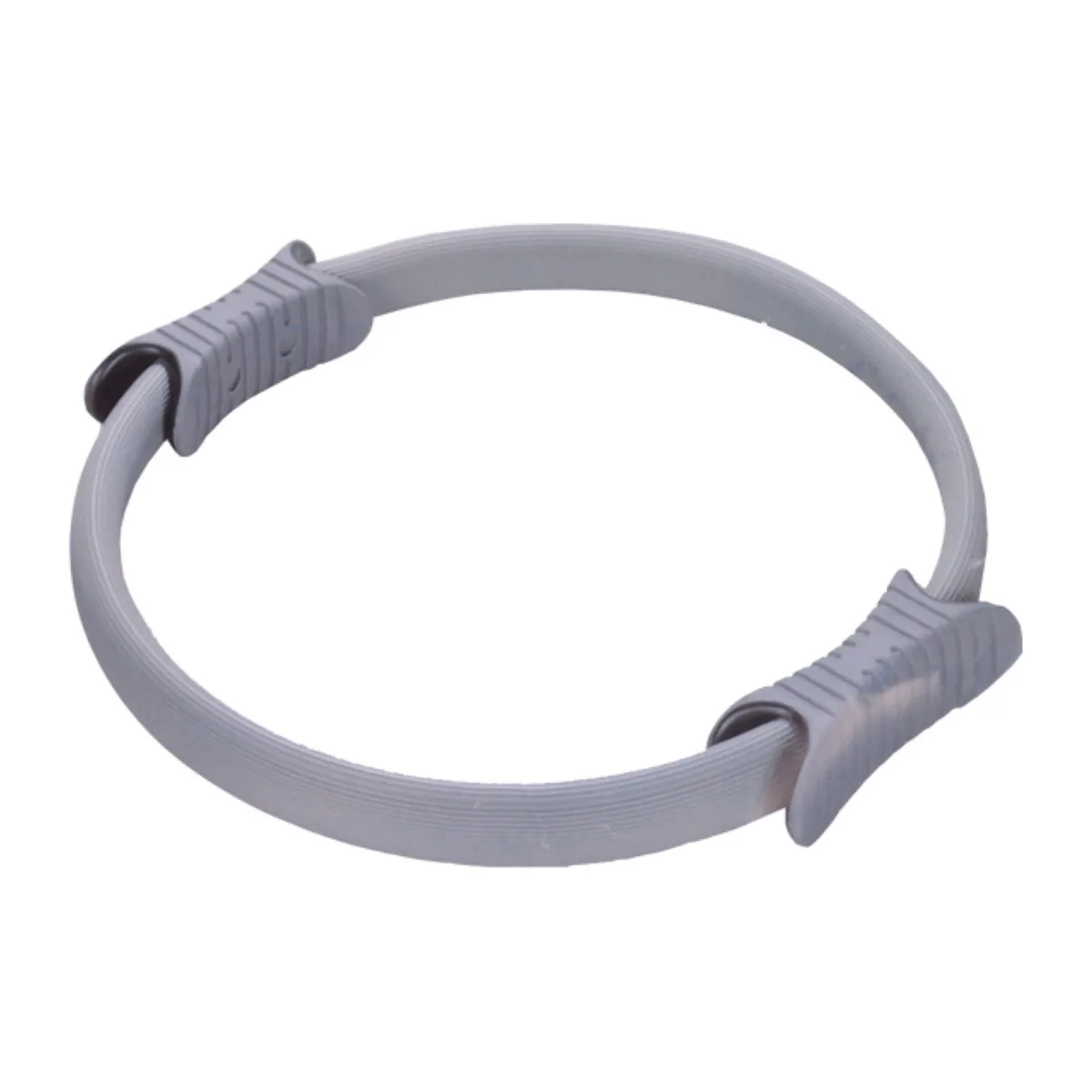
ピラティスリング マジックサークル
The Pilates Ring Magic Circle is used for mat-based exercises similar to yoga, making mat cleanliness crucial for safe and comfortable practice.
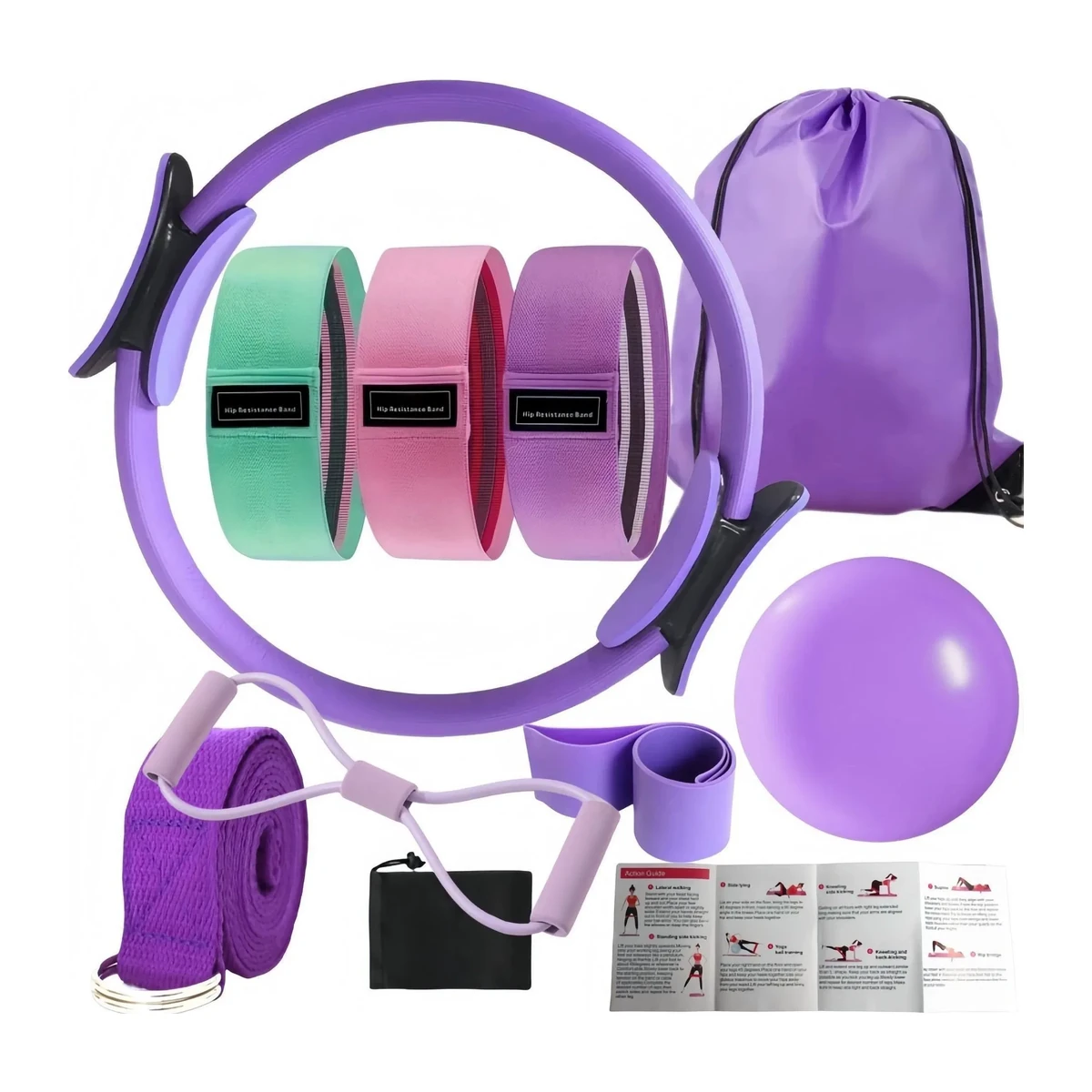
ピラティス完全ホームキット(リング・ボール・レジスタンスバンド付き)
The Complete Pilates Home Kit is designed for mat workouts, where maintaining a clean mat is essential for grip, hygiene, and equipment longevity.
関連読み物

持続可能な実践のためのトップ5エコフレンドリーなヨガマット
環境に優しいヨガマットを選ぶことで、環境への影響を減らし、安全で安定した練習をサポートすることができます。…エコフレンドリーなヨガ用品:サステナブルなマットとタオルのガイド
環境に優しいヨガ用品は、持続可能な素材と責任ある製造方法を用いることで環境負荷を軽減します。本記事では…ホットヨガに最適なヨガマット:おすすめと専門家のアドバイス
ホットヨガに最適なヨガマットを選ぶことは、激しい発汗や必要性のために難しい場合があります…


