









ホットヨガに最適なヨガマット:おすすめと専門家のアドバイス
Choosing the best yoga mat for hot yoga can be challenging due to intense sweat and the need for reliable grip and durability. This article explores top-rated mats and towels designed specifically for hot yoga, discusses maintenance tips, and compares product features like material, thickness, and portability to help you make an informed decision for your practice.
Slipping and sliding during hot yoga is a frustration many beginners know all too well. You start your flow with confidence, but as the sweat builds, your mat turns into a slippery surface, making it impossible to hold poses securely. You wonder if you’re doing something wrong, but the truth is that your standard yoga mat just isn’t designed for the heat and moisture of hot yoga sessions. The right mat can make all the difference, transforming your practice from stressful to empowering.
If you’ve ever wiped down your mat after every pose or lost your grip in downward dog, you’re not alone. Hot yoga demands more from your equipment because the heat and humidity create a challenging environment. Mats that work well in cooler classes simply don’t offer the traction and stability needed when things get sweaty. Finding the best yoga mats for hot yoga isn’t just about comfort—it’s about safety, confidence, and getting the most out of every session. The search can feel overwhelming, but understanding why hot yoga needs a different mat is the first step to a smoother, more enjoyable practice.
- Grip and sweat absorbency are essential for hot yoga mats.
- Dedicated towels like Yogitoes enhance stability during intense sessions.
- Natural rubber and high-density materials improve durability.
- Mat size and portability matter for frequent practitioners.
- Proper cleaning extends the lifespan of your yoga mat.
Why Does Hot Yoga Require a Different Mat?
Hot yoga is a unique challenge for both your body and your gear. When you practice hot yoga, the room temperature often climbs above 90°F, causing your body to sweat heavily within minutes. That intense heat and moisture quickly turn a standard yoga mat into a slippery hazard rather than a stable base. The best yoga mats for hot yoga are specifically designed to handle this sweat-soaked environment so you can focus on your poses, not your footing.
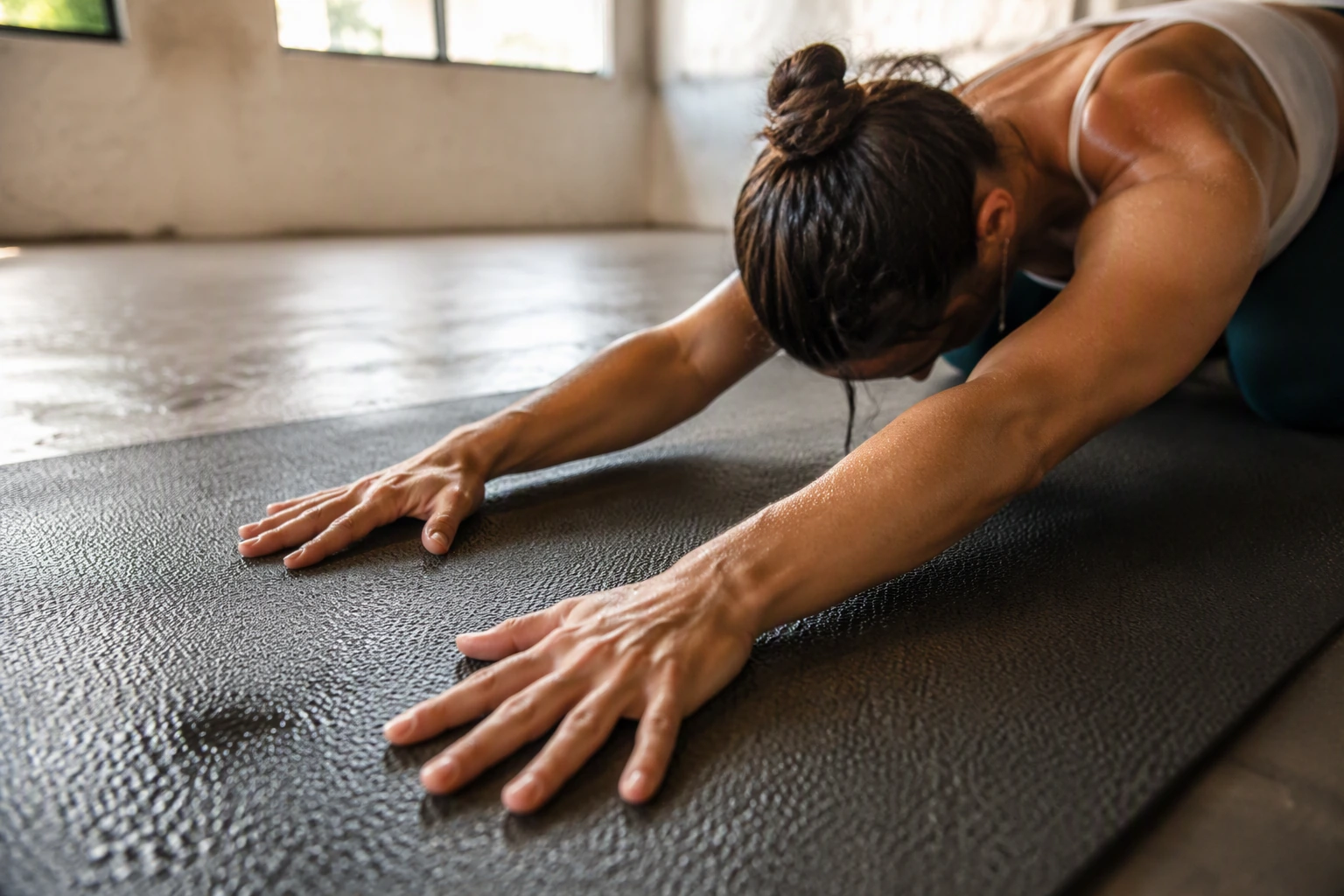
Specialized hot yoga mats use materials and textures that offer superior traction even as you sweat. For example, the Liforme Zodiac Yoga Mat uses a grippy surface that maintains friction with sweaty palms and feet. When you add a moisture-activated towel like the Yogitoes Hot Yoga Mat Towel, which features silicone nubs for extra stability, you double down on slip resistance. Both products are engineered to reduce sliding during challenging postures such as Downward Dog or Warrior II, which can last 30–60 seconds each in a heated class.
Another advantage of mats made for hot yoga is their ability to resist and manage sweat. High-quality mats, such as the PRO Lite Yoga Mat, are built with closed-cell surfaces or quick-drying materials that keep sweat from soaking in. This design helps prevent unpleasant odors and bacterial buildup, which are common complaints if you use a standard mat in a hot studio. Cleaning is also simpler—using a cleaner like the Liforme Ultimate Everyday Yoga Mat Cleaner (made from olive-based surfactants) once after each session keeps your mat fresh without harsh chemicals.
Proper grip isn’t just about comfort—it’s a major safety factor. Slipping on a wet mat can cause falls or muscle strains, especially during dynamic movements or balancing poses. Mats with built-in grip technology help you hold strong in poses like Tree or Crescent Lunge, reducing the risk of injury. If you’re practicing hot yoga two to three times per week, investing in a mat designed for wet grip is one of the most practical upgrades you can make for your safety and progress.
One mistake beginners often make is choosing a mat solely based on thickness or softness, thinking this will provide enough comfort and support. But for hot yoga, traction and moisture management are much more important. If you use a regular mat, you might notice your hands or feet start to slip after just 10–15 minutes as sweat builds up. Switching to a mat built for hot yoga addresses this issue directly, making your practice safer and more enjoyable from start to finish.
Top Yoga Mats and Towels for Hot Yoga
"Liforme mats are only about grip—they don't help with alignment." This is false. Liforme mats are well known for their excellent grip, but they also feature etched alignment markers that guide your hand and foot placement. These visual cues can help you maintain consistent posture and reduce the risk of misalignment during hot yoga sessions.
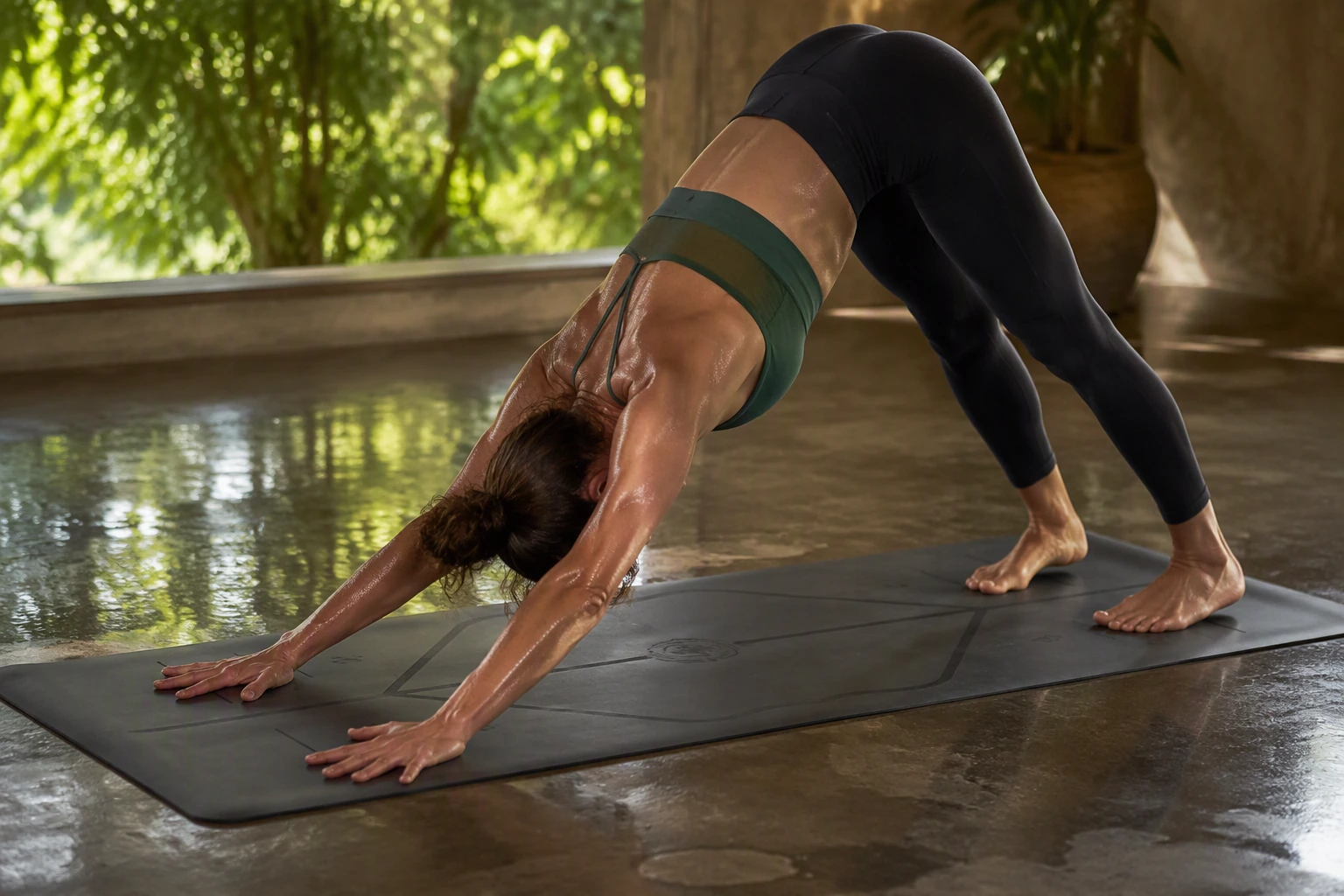
Liforme yoga mats stand out for hot yoga because they combine strong traction with practical alignment guidance. The etched lines on the mat are not just for show—they provide reference points that you can use for every pose. Liforme offers several sizes, including regular, XL, and compact travel versions, so whether you need extra room or something to fit in your suitcase, you have options. Expect to pay a premium, but the durability and grip justify the investment for many regular practitioners.
The PRO Lite Yoga Mat is a staple in many studios and is built to last through countless classes. It offers solid 4.7 mm cushioning and a textured, closed-cell surface that resists sweat absorption, so you won't end up with a soggy mat. The stability is excellent, especially if you prefer a firmer base for balance poses. With a lifetime guarantee, you can rely on the PRO Lite for years, making it a smart choice if you're committed to a consistent practice.
Traveling yogis often struggle to find mats that are both portable and functional in hot, sweaty conditions. The eKO Travel Superlite Yoga Mat is only 1.5 mm thick and folds up to fit in your backpack, yet its natural rubber surface provides enough grip to keep you stable. While it may not offer the same cushioning as heavier mats, it's ideal for those who want to keep up their hot yoga routine on the road without carrying bulky gear. Clean it regularly and always let it dry thoroughly after a sweaty session.
Many people believe, "A yoga towel is just a towel—any towel will work for hot yoga." This is false. The Yogitoes Hot Yoga Mat Towel is specifically engineered for sweaty classes, featuring silicone nubs that grip firmly to your mat. When your palms and feet start to sweat, the towel's grip only improves, keeping you safe from slipping during demanding poses.
If you sweat heavily during hot yoga, consider using a moisture-activated towel like the Yogitoes or the Equa Yoga Hand Towel. Place the towel over your mat before class begins; as the session heats up, the fabric bonds to your mat and your body, providing a consistent grip. Forgetting to smooth out wrinkles or choosing too small a towel can lead to distractions or even falls, so always choose a towel large enough to cover your mat and check it before class starts.
Choosing the right mat and towel combination can make a big difference in your comfort and safety during hot yoga. Prioritize grip, stability, and easy cleaning when comparing options. Wash your mat and towel regularly, especially after intense sessions, to extend their lifespan and maintain top performance. With the right setup, you'll be able to focus on your practice and progress, not on managing sweat or slipping around.
"Mats with textured surfaces are more durable than smooth mats for hot yoga." This is generally true. Textured mats like the PRO Lite are engineered to withstand repeated use and frequent cleaning, making them a reliable choice for hot yoga where sweat and friction are constant factors. Look for mats with a reputation for durability if you practice several times a week.
"Hot yoga mats need better grip than standard mats."正しい
This is true because hot yoga induces more sweat, making surfaces slippery. Mats designed for hot yoga use special materials or textures to maintain traction even when wet, which helps prevent injuries during challenging poses.
"Any towel will work just as well as a yoga towel for hot yoga."誤り
This is false. Yoga towels like Yogitoes have silicone nubs or moisture-activated textures that grip your mat and reduce slipping, while regular towels lack these features and may bunch up or slide during practice.
How Do Yoga Towels Improve Hot Yoga Practice?
Yoga towels like Yogitoes Hot Yoga Mat Towel and Equa Yoga Hand Towel are specifically designed to improve your hot yoga practice by managing sweat and increasing grip. When you layer one of these towels over your yoga mat, the sweat-activated grip technology kicks in. Yogitoes towels use silicone nubs to hold the towel firmly in place, while Equa towels rely on moisture-activated fibers to enhance traction. This means that as you sweat during a heated session, the towel actually becomes grippier, helping you stay stable in poses like Downward Dog or Warrior II.
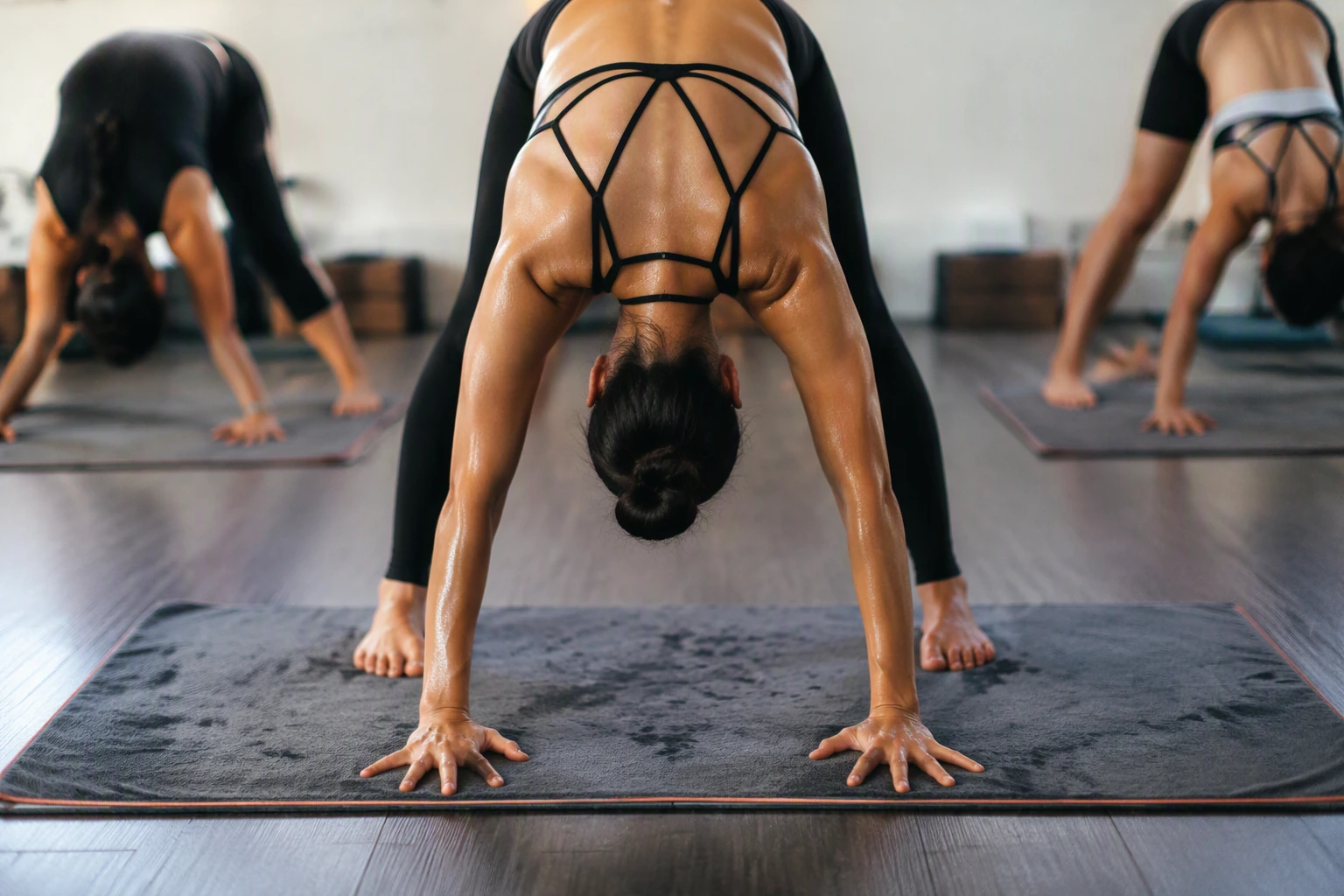
One of the biggest challenges in hot yoga is maintaining your footing and hand placement when your mat gets slippery. A high-quality yoga towel absorbs moisture efficiently, preventing puddles and slick spots that can cause slips or disrupt your flow. For example, after 20-30 minutes in a hot room, your hands and feet may be noticeably sweaty. With a Yogitoes towel, you’ll feel the silicone nubs anchoring you in place, even during transitions between postures. This level of stability lets you focus on your breathing and alignment instead of worrying about sliding.
Washing and drying yoga towels is much easier than cleaning a mat after every session. Most towels, including Yogitoes and Equa, are machine washable and dry quickly—often within two hours on a standard drying rack. This convenience means you can rotate towels between classes, keeping your practice hygienic and fresh. If you practice hot yoga multiple times per week, having two towels is recommended so you always have a clean one ready. Unlike mats, which require special cleaners such as Liforme Ultimate Everyday Yoga Mat Cleaner and careful drying, towels can handle regular laundering without damage.
Layering a towel on your mat also helps protect the mat itself, which is especially important if you’ve invested in a premium option like a Liforme Zodiac Yoga Mat or PRO Lite Yoga Mat. Sweat can degrade the mat surface over time, but a towel acts as a barrier, reducing direct moisture exposure and extending the mat’s lifespan. If you’re using a travel mat like the eKO Travel Superlite, a towel keeps the thin rubber from absorbing too much sweat, which can make it last longer and smell fresher.
Some users mistakenly believe they can skip towels if their mat claims to be “grippy.” However, even the best mats lose traction once sweat builds up, especially in heated rooms above 90°F. If you’ve had issues with slipping or mat odor, a towel is a practical solution. Choose a towel that matches your mat’s size—standard towels are about 68-72 inches long, while hand towels fit across the top for poses like plank or crow. For hot yoga, a full-length towel is usually more effective than a small one, since your whole body sweats and moves across the mat.
Don't make the mistake of using a regular bath towel for hot yoga. Bath towels lack sweat-activated grip and can bunch up or slide, making your practice less safe. Specialized yoga towels are engineered for stability and moisture management, so you can move confidently through every posture. Investing $40-$60 in a high-quality towel is a smart move if you practice hot yoga weekly. You’ll get more out of your sessions, protect your mat, and make post-class cleanup much easier.
Choosing the Right Size and Material for Your Needs
Finding the best yoga mats for hot yoga starts with choosing the right size and material for your specific needs. Mat size has a direct impact on your comfort, stability, and portability. Liforme offers several options to fit different preferences: the regular mat is about 72 inches long and 26 inches wide, XL mats stretch to 84 inches by 31 inches for extra space, and travel mats are compact, lightweight versions you can easily pack in a suitcase or gym bag. If you move between home and studio frequently, a travel mat like the eKO Superlite (which folds rather than rolls) can make your practice more convenient without sacrificing performance. But if you value extra room for dynamic flows or taller bodies, the XL option is worth considering, even though it may be harder to carry.
The material of your yoga mat affects grip, cushioning, and environmental footprint. Natural rubber, featured in mats like the eKO Travel Superlite, delivers strong traction ideal for sweaty sessions, which is crucial during hot yoga. However, natural rubber mats can weigh between 2.5 and 5 pounds depending on thickness and size, making them less appealing if you walk or bike to class. If eco-friendliness is a priority, natural rubber is a solid choice since it’s biodegradable and doesn’t rely on synthetic chemicals. For lighter alternatives, look for mats made from high-density foam or thinner polyurethane blends, but keep in mind these may not provide the same level of grip when wet.
High-density mats, such as the PRO Lite Yoga Mat trusted by studios, excel at resisting compression and maintaining stability throughout your practice. A dense mat supports your joints during long holds, but thickness isn’t everything—too much cushion can reduce stability in standing poses. Aim for mats between 4 mm and 6 mm thick if you want both comfort and balance. If you practice frequently in hot environments, pair your mat with a sweat-activated towel like the Yogitoes Hot Yoga Mat Towel, which enhances grip and prevents slipping. This combination works especially well if your mat is thinner or less textured.
Portability matters if you bring your mat to classes or travel often. Travel mats usually weigh under 2 pounds and fold flat, but you might sacrifice some cushioning. If you need both comfort and portability, consider a regular-sized mat under 3 pounds or a compact mat with a carrying strap. Avoid mats so bulky or heavy that you dread bringing them along—practice consistency comes from making your gear easy to use. Mistakes to avoid include choosing a mat solely for color or price; prioritize technical features like size, material, and density first. If you’re unsure, try a few mats at your local studio before buying, or check the return policy so you don’t get stuck with a mat that doesn’t fit your routine.
"Natural rubber mats are popular for eco-conscious yogis."正しい
This is true. Natural rubber mats, such as the eKO Travel Superlite, avoid synthetic materials and offer strong grip, making them a preferred choice for those seeking sustainable and effective yoga equipment.
"Thicker mats are always better for hot yoga."誤り
This is false. While some extra cushioning can help, ultra-thick mats may compromise stability during balance poses and can retain more moisture, making them less suitable for hot yoga where grip and quick drying are priorities.
How Should You Clean and Maintain a Hot Yoga Mat?
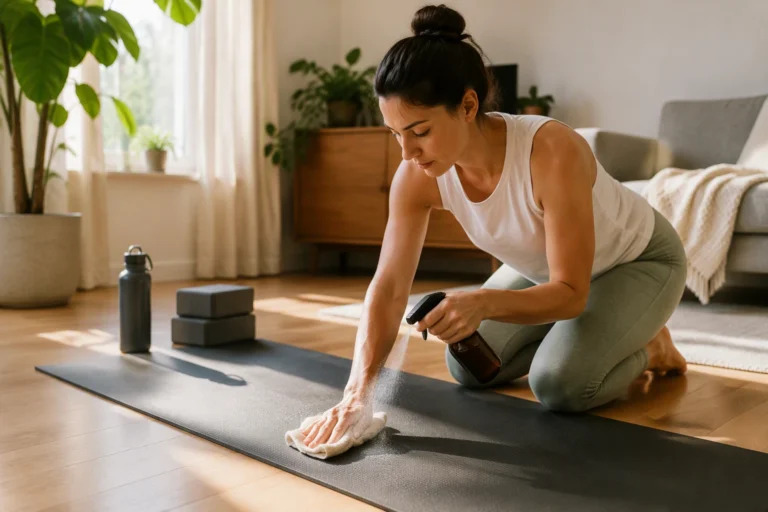
Cleaning and maintaining your hot yoga mat is essential for both hygiene and the mat’s longevity. After each hot yoga session, your mat will likely be damp with sweat and may host bacteria. Using a natural cleaner like Liforme Ultimate Everyday Yoga Mat Cleaner, which relies on olive-based surfactants, helps remove sweat and bacteria without damaging the mat’s material. Spray the cleaner evenly across the surface and wipe with a damp cloth, covering every inch, especially the areas your hands and feet contact most.
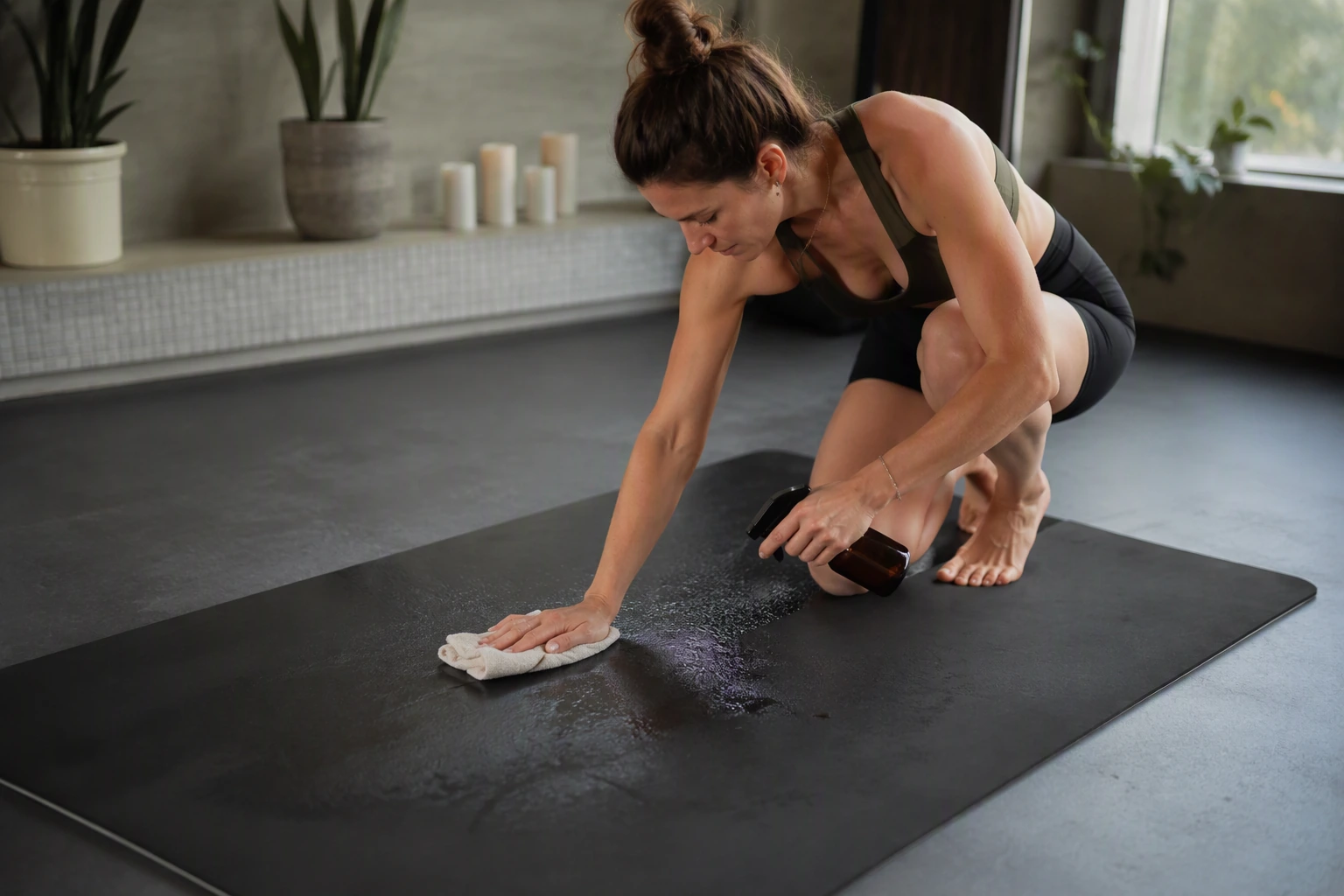
Allow your mat to air dry completely after cleaning. Don’t roll up the mat while it’s still wet, as this traps moisture and can lead to odors or even mold. Lay your mat flat or hang it over a shower rod, towel rack, or balcony rail for at least 30-60 minutes. For thicker mats like the PRO Lite Yoga Mat, extra drying time may be needed—check for damp spots before storage. If you’re using a towel like the Yogitoes Hot Yoga Mat Towel or Equa Yoga Hand Towel, wash these after each session as well, ideally with a gentle detergent and cold water.
Regular cleaning isn’t just about keeping your mat fresh—it actually preserves the material’s integrity. Sweat can break down natural rubber and synthetic surfaces if left untreated, shortening the mat’s usable life. Clean your mat at least once a week if you practice hot yoga frequently, or after every particularly sweaty session. Neglecting this routine can lead to persistent odors and visible staining, which are much harder to remove later.
Proper storage is another key step. Always store your yoga mat in a cool, dry place away from direct sunlight. Sunlight can cause fading and degrade materials, especially natural rubber mats like the eKO Travel Superlite Yoga Mat. Avoid leaving your mat in a car, near heaters, or in humid bathrooms. If you’re traveling, fold or roll your mat loosely to avoid creasing—Liforme mats come in regular, XL, and travel sizes, so pick the one that fits your routine and storage needs.
Some common mistakes include using harsh chemical cleaners or scrubbing too aggressively, which can damage the mat’s surface and reduce its grip. Stick to natural cleaners and soft cloths to maintain the mat’s texture and slip-resistance. If you notice your mat losing grip, clean it more often and check for product-specific maintenance instructions. For best results, always follow the manufacturer’s guidelines, and remember that consistent care will keep your mat safe, clean, and ready for every hot yoga session.
よくあるご質問
ホットヨガマットの最適な厚さはどのくらいですか?
ホットヨガには通常、厚さ3mmから5mmのマットが理想的であり、十分なクッション性を提供しつつ安定性を保ちます。厚手のマットは汗をかくセッション中に不安定になり、グリップが難しくなることがあります。.
ホットヨガには通常のヨガマットを使用できますか?
可能ですが、通常のマットは濡れると滑りやすくなり、安全性が低下することがあります。ホットヨガ用に設計されたマットは、より優れたグリップ力と汗への耐性を備えており、滑倒や怪我の防止に役立ちます。.
ホットヨガの後、ヨガマットはどのくらいの頻度で掃除すべきですか?
ホットヨガのセッション後は、汗や細菌を取り除くために、天然のクリーナーを使用してマットを毎回清掃することが最善です。頻繁な清掃はマットの寿命を延ばし、衛生的に保ちます。.
トラベルヨガマットはホットヨガに適していますか?
Travel mats like the eKO Travel Superlite are suitable for hot yoga if you need portability, but they may offer less cushioning than standard mats. Consider a towel for added comfort and grip.
Do yoga towels replace the need for a mat in hot yoga?
Yoga towels are designed to be used on top of a mat, not as a replacement. They enhance grip and absorb sweat, but mats provide necessary support and stability for your practice.
関連商品
本記事のトレーニング内容に合った実用的なVVZIO機器。.
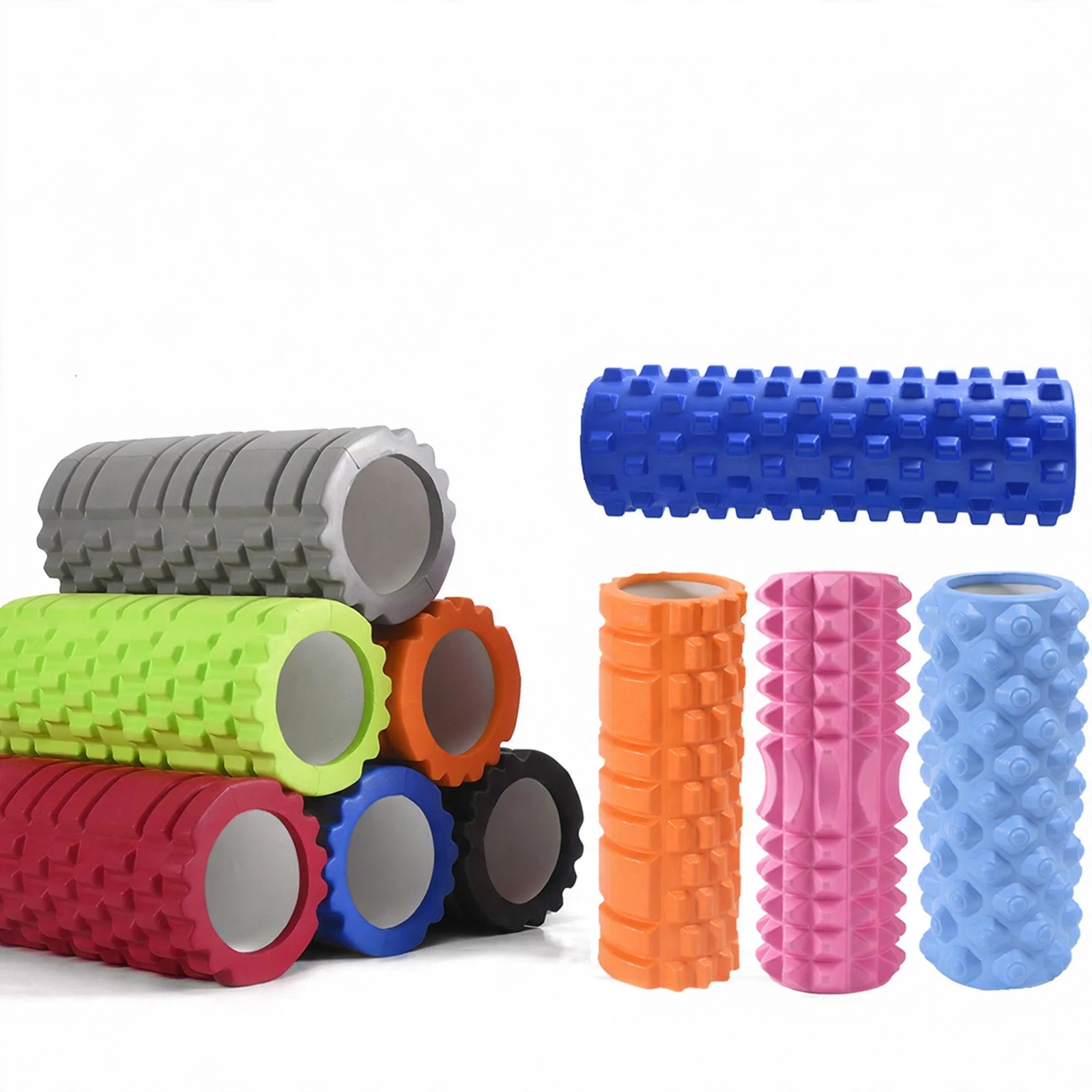
クレセントフォームローラー-EVAディープティッシュマッサージ
The Crescent Foam Roller helps with muscle recovery and tension release after hot yoga, which is essential for flexibility and injury prevention.
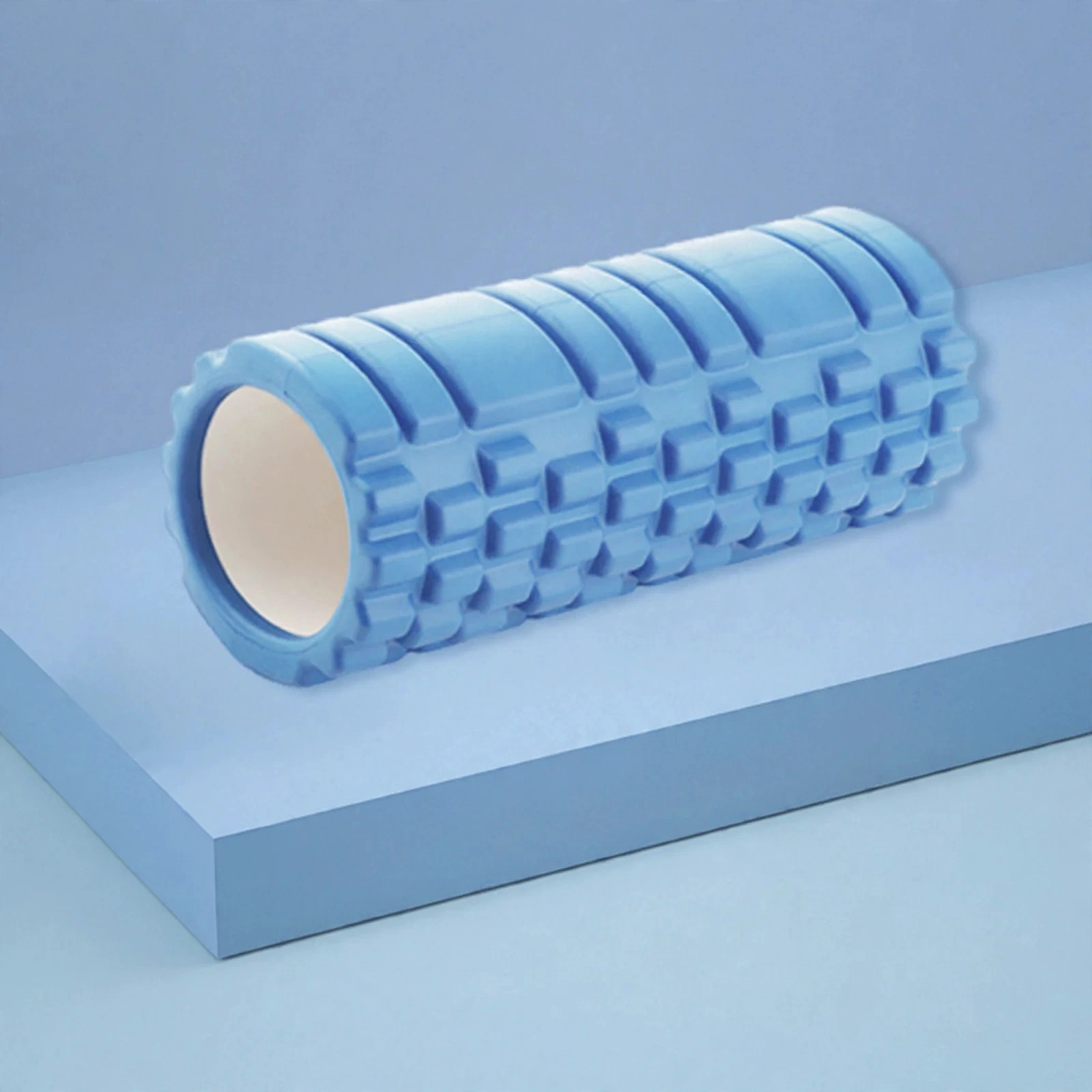
グリッドフォームローラー – EVA筋肉リカバリー
The Grid Foam Roller supports post-hot yoga muscle recovery, aiding in relieving soreness and improving mobility after intense, sweat-heavy sessions.
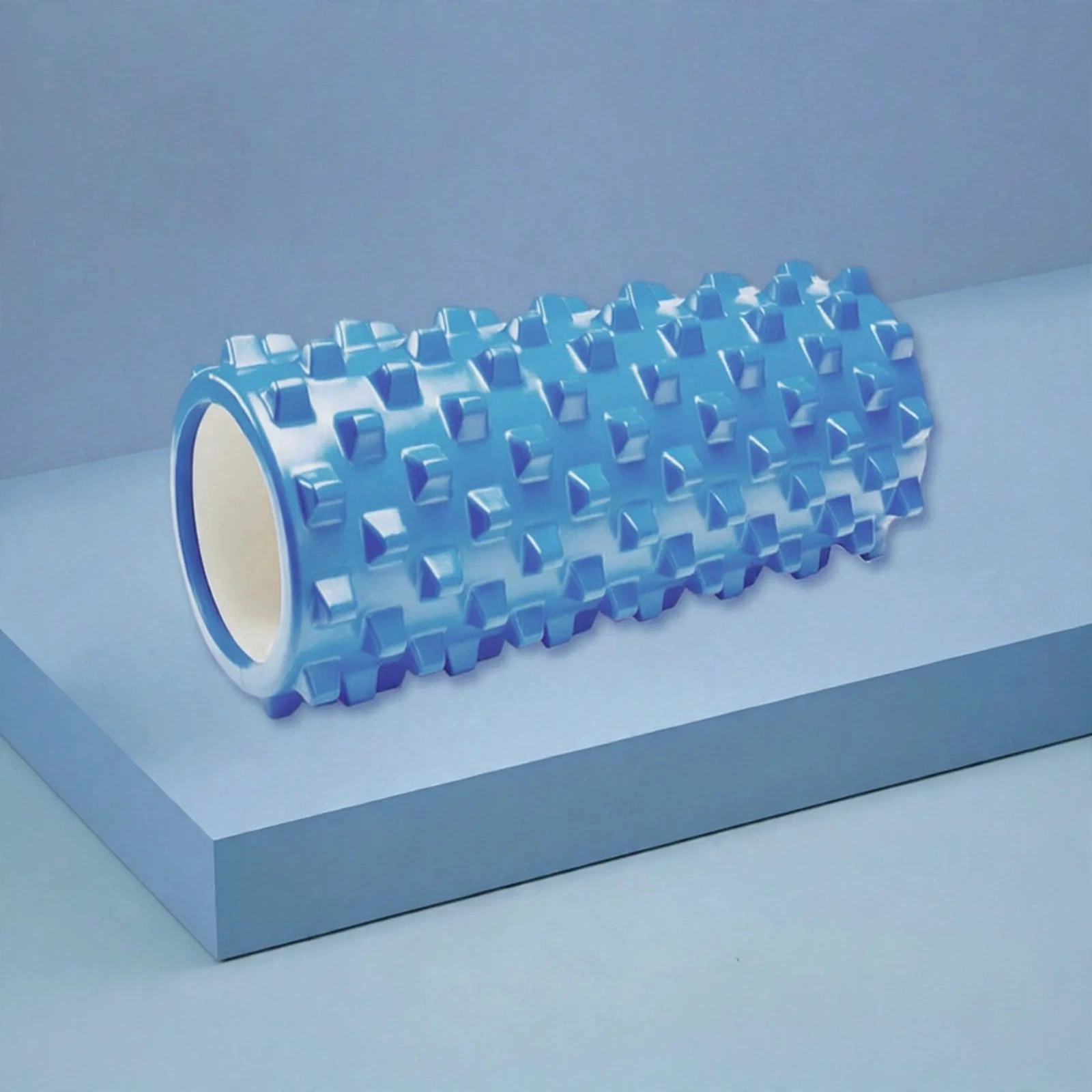
スパイキーフォームローラー – EVAディープティッシュマッサージ
The Spiky Foam Roller offers deep tissue massage, which is beneficial for hot yoga practitioners needing to address tight muscles and enhance recovery.
関連読み物

持続可能な実践のためのトップ5エコフレンドリーなヨガマット
環境に優しいヨガマットを選ぶことで、環境への影響を減らし、安全で安定した練習をサポートすることができます。…エコフレンドリーなヨガ用品:サステナブルなマットとタオルのガイド
環境に優しいヨガ用品は、持続可能な素材と責任ある製造方法を用いることで環境負荷を軽減します。本記事では…ヨガマットの掃除方法:素材別の安全なクリーニング方法
Keeping your yoga mat clean is essential for hygiene, grip, and extending its lifespan. Different materials, such as…