









Top 5 Tapetes de Yoga Ecológicos para uma Prática Sustentável
Choosing an eco-friendly yoga mat can help reduce your environmental impact while supporting a safe and stable practice. This article reviews the top five eco-friendly yoga mats available in the US and EU, focusing on non-toxic, biodegradable materials, durability, and portability. Use this guide to make an informed choice that aligns with your values and practice needs.
Every time you step onto your yoga mat, you want to feel grounded, supported, and confident that your practice is doing good—for your body and for the planet. But the reality is, many beginner-friendly mats are made from materials like PVC that can irritate your skin, emit chemical odors, and end up polluting landfills for decades. It’s frustrating to invest in your wellness, only to worry that your choices are contributing to environmental harm or exposing you to questionable substances.
Maybe you’ve tried to find sustainable options, but the search leaves you overwhelmed with confusing claims and high prices. You wonder: will an eco-friendly mat actually hold up against daily stretching and sweating, or will you sacrifice comfort and durability for a greener label? If you’re ready to start your yoga journey on the right foot, it’s time to explore the Top 5 Eco-Friendly Yoga Mats that combine health, performance, and sustainability—so you can focus on your practice, not your footprint.
- Non-toxic, biodegradable mats support both your practice and the planet.
- Size and thickness options vary to fit different needs and lifestyles.
- Durability and grip are key factors in eco mat performance.
- Travel-friendly mats are available for yogis on the go.
- Proper cleaning extends the lifespan of eco-friendly mats.
Why Choose an Eco-Friendly Yoga Mat?
Choosing an eco-friendly yoga mat is one of the simplest ways to lower your impact on the environment while keeping your practice safe and comfortable. Conventional yoga mats are commonly made from PVC or other synthetic materials that are slow to break down and may leach harmful chemicals. By switching to mats made with non-toxic, biodegradable materials like natural rubber, you make a positive choice for both your own health and the planet.
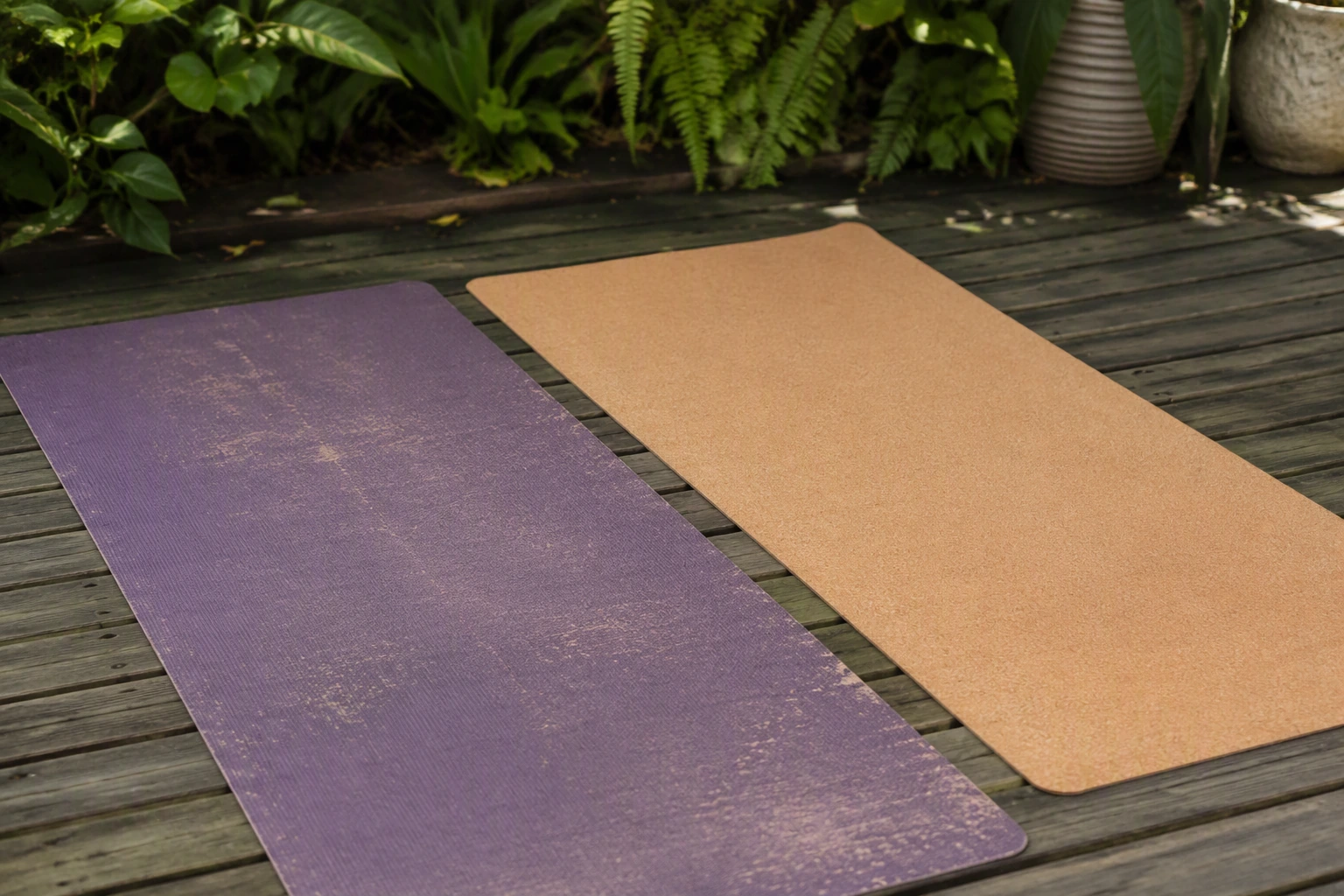
Many popular eco-friendly mats, such as those from Liforme, use sustainably sourced natural rubber and avoid harsh chemicals found in traditional mats. These materials break down much faster in landfills and don’t release toxins during production or disposal. For example, Liforme mats are not only biodegradable but also free from PVC, heavy metals, and phthalates, making them a safer choice if you regularly practice barefoot or spend long sessions in close contact with your mat.
In addition to material concerns, there’s a personal health benefit to using mats crafted from natural substances. With conventional mats, you might notice a plastic odor or even skin irritation after extended use. Biodegradable mats typically don’t emit these smells and are gentler for anyone sensitive to chemicals. If you practice hot yoga or sweat heavily, a cleaner surface can mean fewer worries about residue or skin reactions over time.
Eco-friendly mats also support a larger goal: reducing the overall demand for plastics and encouraging brands to adopt greener manufacturing practices. Every time you choose a sustainable yoga mat, you’re signaling that you value companies who take responsibility for their products’ life cycles. This collective demand can help shift the entire industry toward more responsible materials and methods—a small choice that, multiplied by thousands of yogis, makes a real difference.
It’s easy to overlook the environmental impact of fitness gear, but yoga mats are used almost daily and replaced every few years. By choosing an option that’s built to last and breaks down naturally, you help cut down on waste. Some mats, like the eKO Travel Superlite, even combine portability with eco-friendly construction, proving you don’t have to compromise performance for sustainability.
To get the most from your eco-friendly mat, pair it with a natural cleaner like the Liforme Ultimate Everyday Yoga Mat Cleaner. This olive-based solution keeps your mat fresh without adding synthetic residues, which further supports your commitment to a non-toxic practice space. Regular cleaning also extends your mat’s usable life, reducing how often you’ll need a replacement.
For anyone seeking a sustainable yoga practice, starting with your mat is an effective first step. The right choice helps protect your health, reduces landfill waste, and supports a greener future for the yoga community. Whether you’re practicing at home or in a studio, the Top 5 Eco-Friendly Yoga Mats are designed to align with your values every time you step onto the mat.
What Makes a Yoga Mat Eco-Friendly?
Eco-friendly yoga mats prioritize both your practice and the planet. When you choose a sustainable mat, you’re picking one crafted from natural or recycled materials—think natural rubber, cork, or biodegradable compounds. For example, Liforme mats are made with non-toxic, biodegradable materials, setting a concrete standard for what qualifies as “eco-friendly.” Mats that avoid PVC or other plastics help reduce the environmental impact, and those using recycled content (like certain towel mats) give old materials a second life. If you want to minimize waste, look for mats that explicitly say “biodegradable” or “recyclable” in their product descriptions.
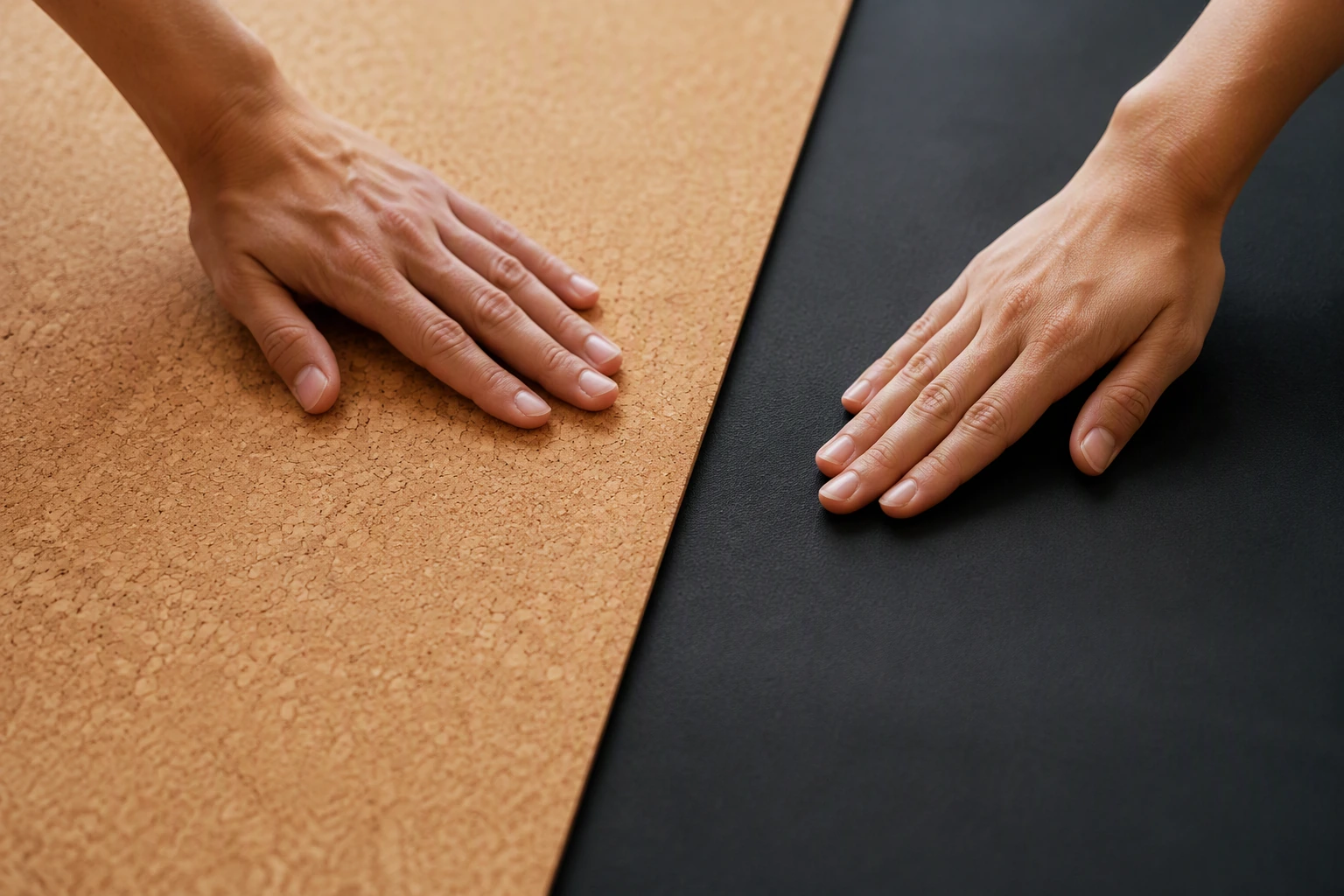
Manufacturing matters just as much as what goes into your mat. Eco-friendly mats often use processes that keep emissions low, avoid toxic adhesives, and eliminate harsh chemicals. Some brands highlight how their mats are bonded without glue, lowering the release of volatile organic compounds (VOCs). For instance, Liforme uses manufacturing that avoids toxic adhesives and minimizes emissions. If a mat smells strongly of chemicals when you unroll it, it likely wasn’t made with environmental safety in mind. A natural rubber mat, such as the eKO Travel Superlite, will have a mild, earthy scent instead of a sharp chemical odor.
Certifications and transparency help you verify environmental claims instead of relying on marketing alone. Look for mats with certifications like OEKO-TEX or a clear statement about material sources. When a company lists exactly what goes into their mat—down to the surfactants used in a cleaner, like olive-based surfactants for Liforme’s mat cleaner—you know they’re serious about sustainability. Brands that detail their manufacturing steps, material origins, or third-party certifications are easier to trust. If you see vague wording like “eco-friendly” without specifics, ask questions or check their website for details before buying.
“Eco-friendly mats are always made from natural materials.” This is sometimes true, but not always. Some mats use recycled synthetic materials, like plastic bottles or polyester, which help keep waste out of landfills but aren’t technically “natural.” The key is whether the material is non-toxic and can break down or be reused without harming the environment.
“Any mat labeled ‘biodegradable’ is guaranteed to be eco-friendly.” This is false. “Biodegradable” only means the material will eventually break down, but manufacturing may still involve harmful adhesives or chemicals. Always check for both material and process transparency before trusting environmental claims.
Choosing an eco-friendly yoga mat involves more than just picking the right material. You’ll want to check for responsible manufacturing, clear certifications, and honest transparency about what’s inside and how it’s made. Avoid mats that hide their ingredient list or skip details about their factory processes. If you’re shopping online, read product descriptions carefully, and don’t hesitate to contact brands with questions. By focusing on these factors, you can support both your health and the planet every time you practice.
“Transparent brands are always more sustainable.” This is often true. If a company openly shares its material sources, manufacturing details, and certifications, you can judge their commitment to sustainability more easily. Transparency lets you understand exactly what you’re buying and its environmental impact.
“Certifications are just marketing and don’t matter for eco-friendly mats.” This is false. Certifications like OEKO-TEX are awarded after rigorous testing for safety and environmental impact. If a mat is certified, it’s been checked by a third party for non-toxicity and responsible manufacturing, so it’s worth seeking out.
"Eco-friendly yoga mats are better for the environment than traditional PVC mats.""Usar uma faixa de yoga pode ajudar iniciantes a obter o alinhamento adequado nas posturas."
Eco-friendly mats use biodegradable or natural materials, reducing landfill waste and chemical pollution compared to PVC mats, which can take decades to break down and release toxins.
"All eco-friendly yoga mats are less durable than standard mats.""Faixas de yoga são úteis apenas para iniciantes e não são necessárias para praticantes avançados."
Many eco-friendly mats, such as the PRO Lite Yoga Mat, offer excellent durability and even come with lifetime guarantees, matching or exceeding the lifespan of conventional mats.
Top 5 Eco-Friendly Yoga Mats: Features and Benefits
The Top 5 Eco-Friendly Yoga Mats combine sustainability, safety, and performance, each offering distinct features to match your practice style. If you’re searching for a mat that supports both your body and environmental values, you’ll notice these models stand out for their material choices and functional designs. Liforme Expressions Yoga Mat uses non-toxic, biodegradable materials and features a unique alignment system, helping you keep your poses precise. You can select from multiple sizes, including regular, XL, and travel, so whether you need extra length or portability, you’ll find a suitable option.
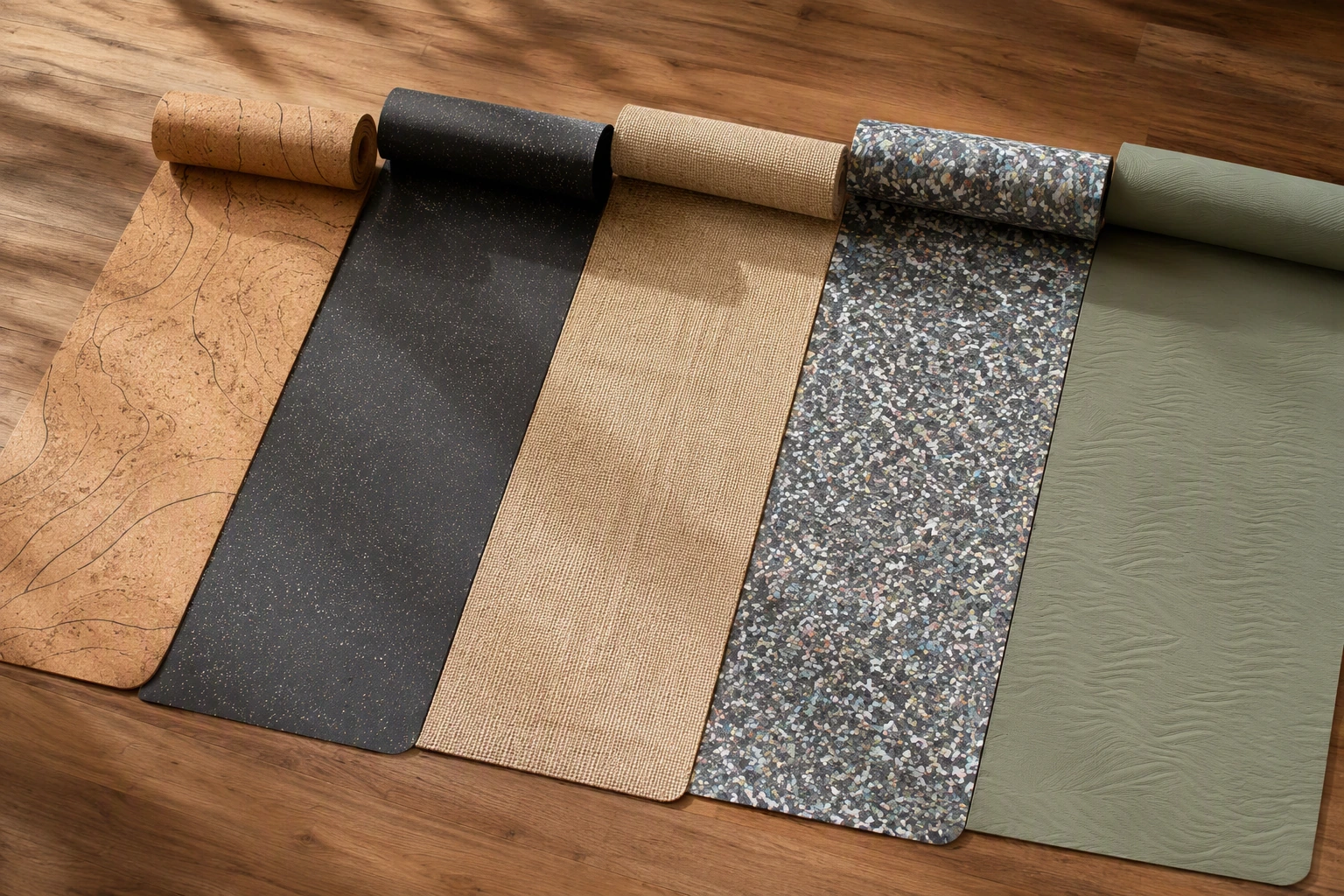
If you travel frequently or need a mat that fits easily in your bag, the eKO Travel Superlite Yoga Mat is a strong contender. Its ultra-thin profile and natural rubber construction make it incredibly lightweight and foldable, so you can pack it for a weekend retreat or a daily commute. The grip is reliable for most surfaces, but you’ll want to avoid using it on rough floors, which could wear down its thin layer over time. For home use or studio classes, the PRO Lite Yoga Mat offers durability and stability, backed by a lifetime guarantee. Many studios trust this mat because it delivers consistent comfort and remains steady during standing poses or transitions.
Hot yoga practitioners often struggle with slipping during intense sessions, but the Yogitoes Hot Yoga Mat Towel directly addresses this issue. This towel provides sweat-activated grip thanks to its silicone nubs, offering dependable stability even as moisture builds. It’s designed specifically for hot yoga, making it a smart addition if you’re practicing in heated rooms. Just remember to wash it regularly, as sweat can accumulate, and grip performance may drop if the towel isn’t clean.
For those who appreciate artistic touches alongside functionality, the Liforme Zodiac Yoga Mat stands out. It features a unique etched design inspired by the Chinese Zodiac and offers excellent grip and alignment guidance, while still using biodegradable materials. The etched surface isn’t just decorative—it helps you maintain your stance during flows. If you value both aesthetics and eco-consciousness, this mat is a practical choice.
When comparing these eco-friendly mats, you’ll notice each one prioritizes sustainable materials, from non-toxic rubber to biodegradable components. Mistakes to avoid include using thin mats like the eKO Travel Superlite on abrasive surfaces or neglecting to clean your Yogitoes towel after sweaty sessions. To maximize your mat’s longevity, follow the care instructions—like using natural mat cleaners such as Liforme’s olive-based cleaner. By selecting a mat that matches your practice style and treating it well, you support both your yoga journey and the planet.
How to Choose the Right Eco Yoga Mat for You
The right eco yoga mat depends on both your practice style and your comfort priorities. If you mostly practice hot yoga, look for mats with extra grip and moisture control—like those with sweat-activated surfaces or silicone nubs. Yogitoes Hot Yoga Mat Towel, for example, offers stability during sweaty sessions thanks to its sweat-activated grip. For home practice, you might prefer thicker mats (4–6 mm) for added cushioning, while travel yogis will benefit from ultra-thin, foldable mats such as the eKO Travel Superlite Yoga Mat, which packs down easily and weighs under 2 lbs.
Grip is a huge factor, especially if you’re moving between poses quickly or holding balances. Mats with non-slip surfaces, such as Liforme’s Expressions Yoga Mat, are designed to prevent sliding even in dynamic flows. If you practice on hard floors, thicker mats will reduce joint pressure—aim for at least 5 mm thickness if you need extra padding. However, thicker mats can be heavier and less portable, so think about whether you’ll be carrying your mat to classes or traveling.
Size options matter more than you might expect. Standard mats are usually around 68 inches long and 24 inches wide, but Liforme offers XL versions for taller yogis or those who prefer a larger practice area. Travel mats, often under 2 mm thick, are easier to fold and fit in luggage. Make sure you check the exact measurements before buying—if you’re over 6 feet tall, an XL mat is likely worth the investment.
Material choice is where eco-friendliness really comes into play. Look for mats made from non-toxic, biodegradable materials, like those used by Liforme. Natural rubber, cork, and recycled materials are common options for sustainable mats. Avoid PVC and other plastics, which aren’t biodegradable and may contain harmful chemicals. Always check the product details for certifications or explicit claims about the mat’s composition. If you’re unsure, reputable brands will usually highlight their eco credentials and material sourcing.
Portability isn’t just about weight—it’s also about how easily your mat folds or rolls. If you’re commuting or traveling, consider mats that weigh under 2 lbs and fold to about the size of a laptop. For home use, durability and comfort trump portability, so don’t compromise on thickness if you need joint support. Cleaning is also important: using a natural cleaner like Liforme Ultimate Everyday Yoga Mat Cleaner helps maintain your mat without introducing harsh chemicals.
One common mistake is picking a mat based only on looks or price. While you might be tempted by a stylish design or a $30 price tag, cheap mats often lack grip and degrade quickly, especially under heavy use. Investing in a quality eco-friendly mat can mean better support and longer lifespan. Always balance your budget with your practice needs and environmental values.
Choosing your mat is a personal decision, but focusing on practice style, comfort, size, material, and portability will help you find the best fit. Take a minute to list your priorities, then match them to the features offered by sustainable brands like Liforme, Manduka, and Yogitoes. With a little research, you’ll find a mat that supports both your practice and the planet.
"Some eco yoga mats are designed specifically for travel.""Usar uma faixa de yoga pode ajudar iniciantes a obter o alinhamento adequado nas posturas."
Models like the eKO Travel Superlite Yoga Mat are ultra-thin and foldable, making them easy to pack and ideal for yogis who practice on the go.
"Eco-friendly yoga mats are always more expensive than regular mats.""Faixas de yoga são úteis apenas para iniciantes e não são necessárias para praticantes avançados."
While some eco mats may cost more due to their materials, there are options at different price points, and the added environmental benefits can outweigh the initial investment.
How Do You Keep an Eco-Friendly Yoga Mat Clean?
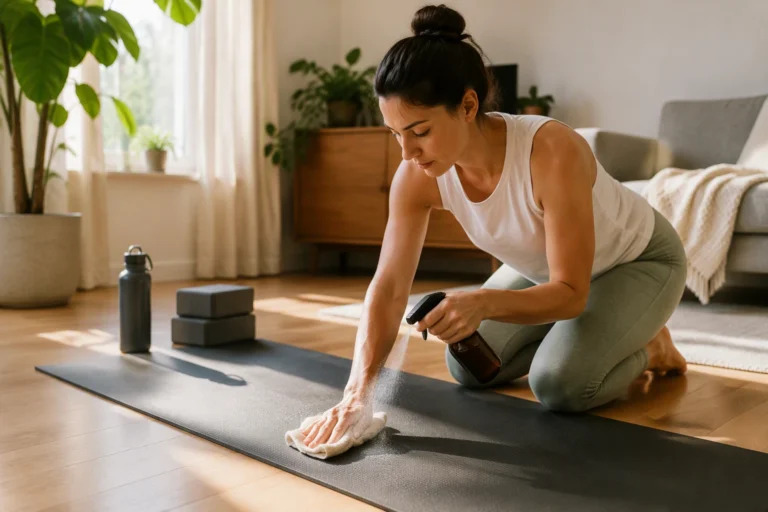
Keeping your eco-friendly yoga mat clean is essential for both hygiene and longevity, but you need to use the right approach to avoid damaging its natural materials. For mats made from non-toxic, biodegradable components like Liforme’s, use a gentle cleaner such as the Liforme Ultimate Everyday Yoga Mat Cleaner. This product relies on olive-based surfactants, which effectively remove sweat and grime without introducing harsh chemicals that could degrade your mat’s surface. Spray a light mist over the mat after every practice and wipe it down with a soft cloth; this takes less than two minutes and prevents bacteria buildup.
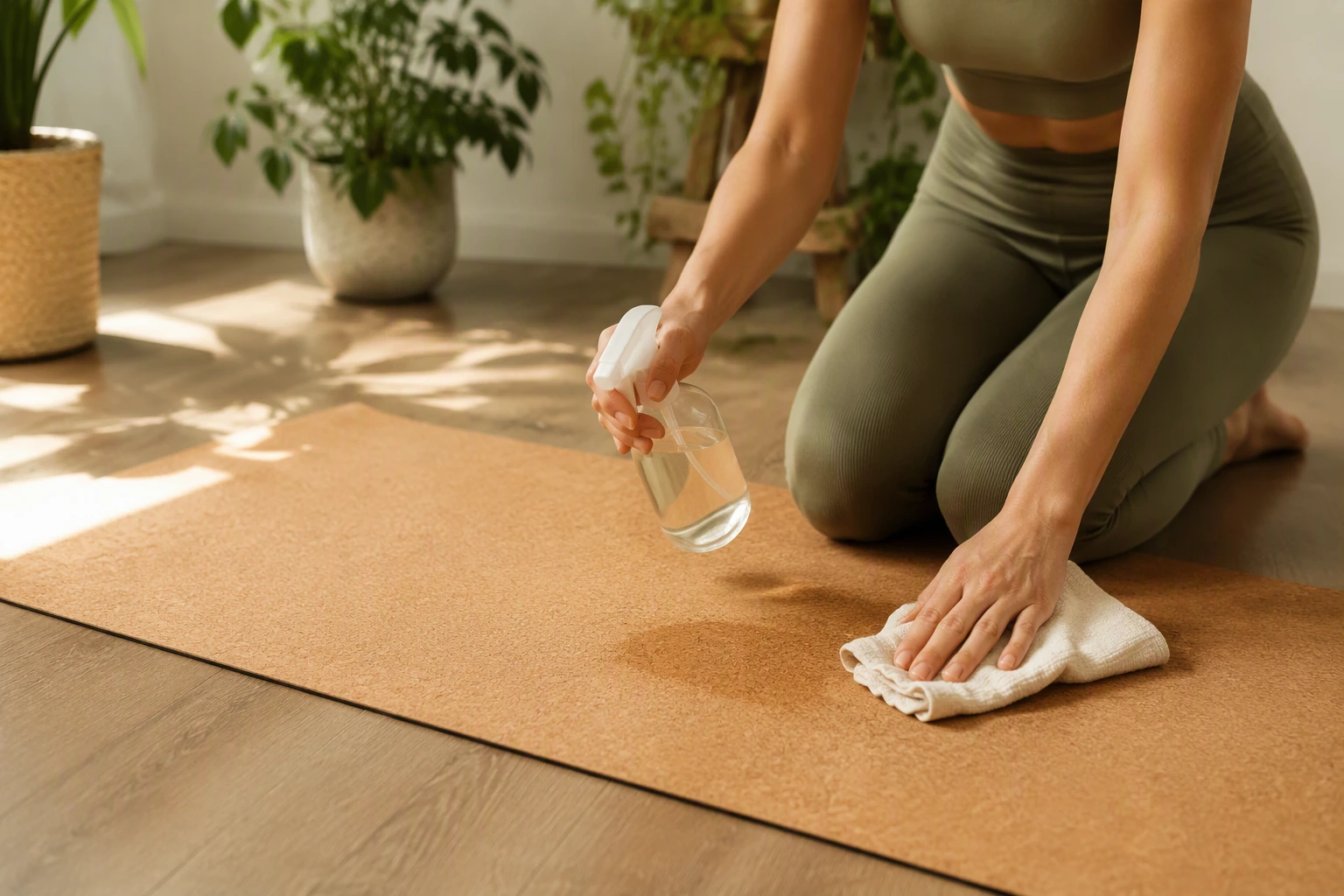
Regular cleaning is key if you want your mat to stay fresh and odor-free, especially after intense sessions. Sweat and skin oils accumulate quickly, so aim to clean your mat at least once a week if you practice daily. After hot yoga, or if you’re using accessories like the Yogitoes Hot Yoga Mat Towel, wipe down both the mat and towel to keep everything sanitary. Avoid soaking your mat unless the manufacturer explicitly says it’s safe; for most eco-friendly mats, excess moisture can seep into the material and cause it to break down faster.
One mistake to avoid is using conventional household cleaners or disinfectant wipes, which often contain alcohol, bleach, or synthetic fragrances. These chemicals can compromise the integrity of natural rubber or biodegradable surfaces, leaving them brittle or discolored. Stick to plant-based cleaners or make your own using diluted vinegar and water—use about 1 part vinegar to 3 parts water, then wipe and let air dry. If your mat has etched designs or alignment guides (like Liforme’s Zodiac Yoga Mat), take extra care not to scrub aggressively, as this can fade the detailing over time.
Eco-friendly mats like the eKO Travel Superlite and Liforme Expressions Travel Yoga Mat are designed for easy maintenance, but they still require mindful handling. After cleaning, always let your mat dry completely before rolling it up to prevent mildew. If you’re storing your mat for long periods, keep it in a cool, dry place away from direct sunlight, which can degrade natural materials. If you notice any sticky residue or lingering odor after cleaning, rinse and wipe again—over-cleaning with heavy scrubbing isn’t necessary and can shorten your mat’s usable life.
For best results, follow the manufacturer’s care instructions, which are often tailored to eco-friendly materials. Investing a few minutes after each session can help your mat last longer and ensure your practice stays both sustainable and safe. If you ever feel unsure about a cleaning method, check the brand’s website or contact their support team before trying anything new. With consistent care and gentle cleaning agents, your mat will remain grippy, comfortable, and environmentally responsible for years to come.
Perguntas Frequentes
What is the best material for an eco-friendly yoga mat?
Natural rubber is one of the best materials for eco-friendly yoga mats because it is biodegradable and provides excellent grip and cushioning. Some brands also use recycled or non-toxic materials for added sustainability.
Are eco-friendly yoga mats safe for people with allergies?
Most eco-friendly mats avoid common allergens like PVC and latex, but natural rubber can still cause reactions for those with latex allergies. Always check the material details before purchasing.
How long do eco-friendly yoga mats last?
High-quality eco-friendly mats, such as the PRO Lite Yoga Mat, are designed for durability and can last several years with regular use. Some brands even offer lifetime guarantees.
Can I use a yoga towel instead of a mat for hot yoga?
A yoga towel like the Yogitoes Hot Yoga Mat Towel can provide extra grip and absorbency during hot yoga, but it is usually used on top of a yoga mat for stability and cushioning.
How do I properly store an eco-friendly yoga mat?
Store your mat in a cool, dry place and avoid prolonged exposure to direct sunlight, which can degrade natural materials. Always let the mat dry completely after cleaning or sweating.
Produtos relacionados
Equipamentos práticos VVZIO que correspondem ao foco de treinamento deste artigo.
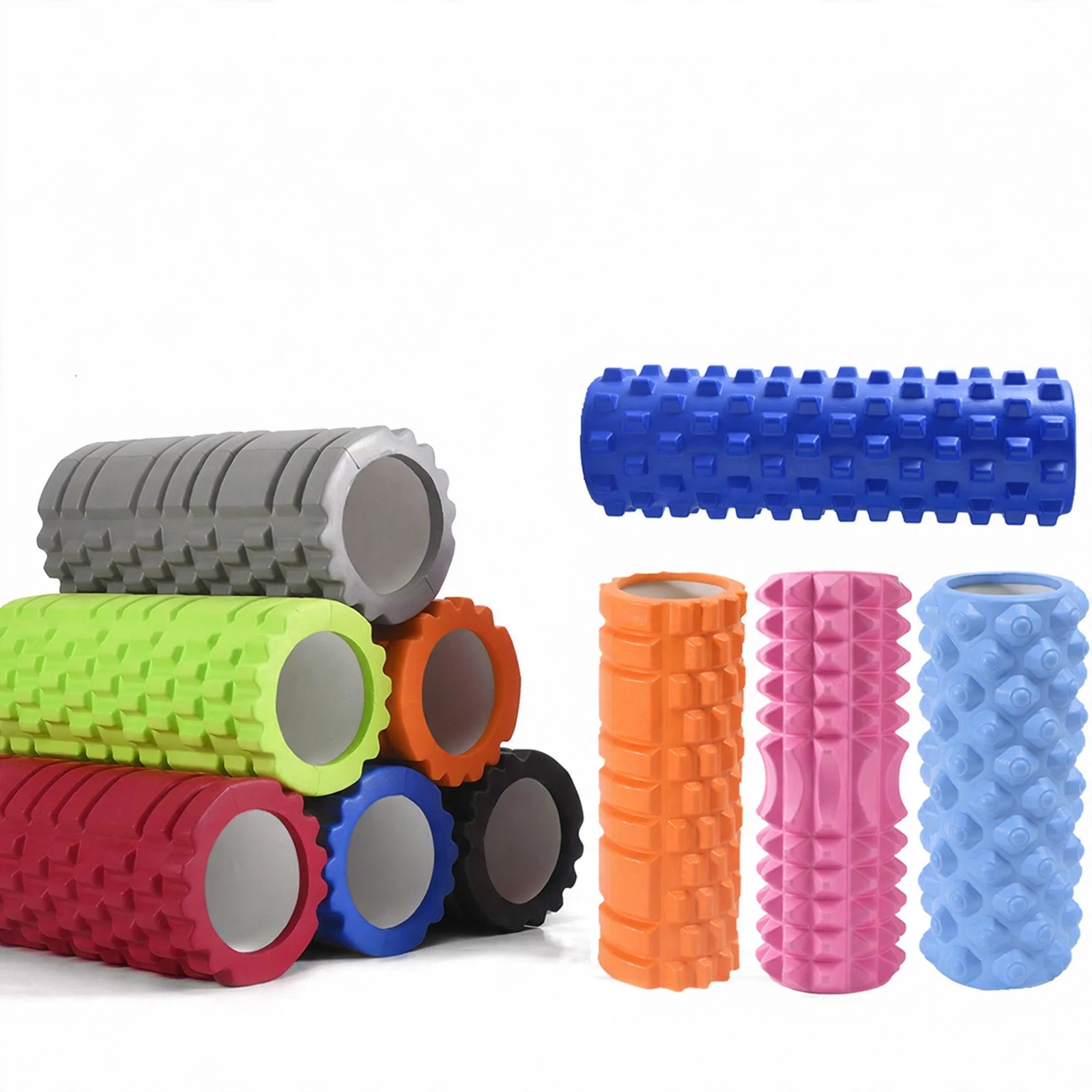
Rolo de Espuma Crescent – Massagem Profunda com EVA
The Crescent Foam Roller is ideal for muscle recovery after yoga sessions, supporting eco-friendly mat users in maintaining flexibility and reducing soreness.
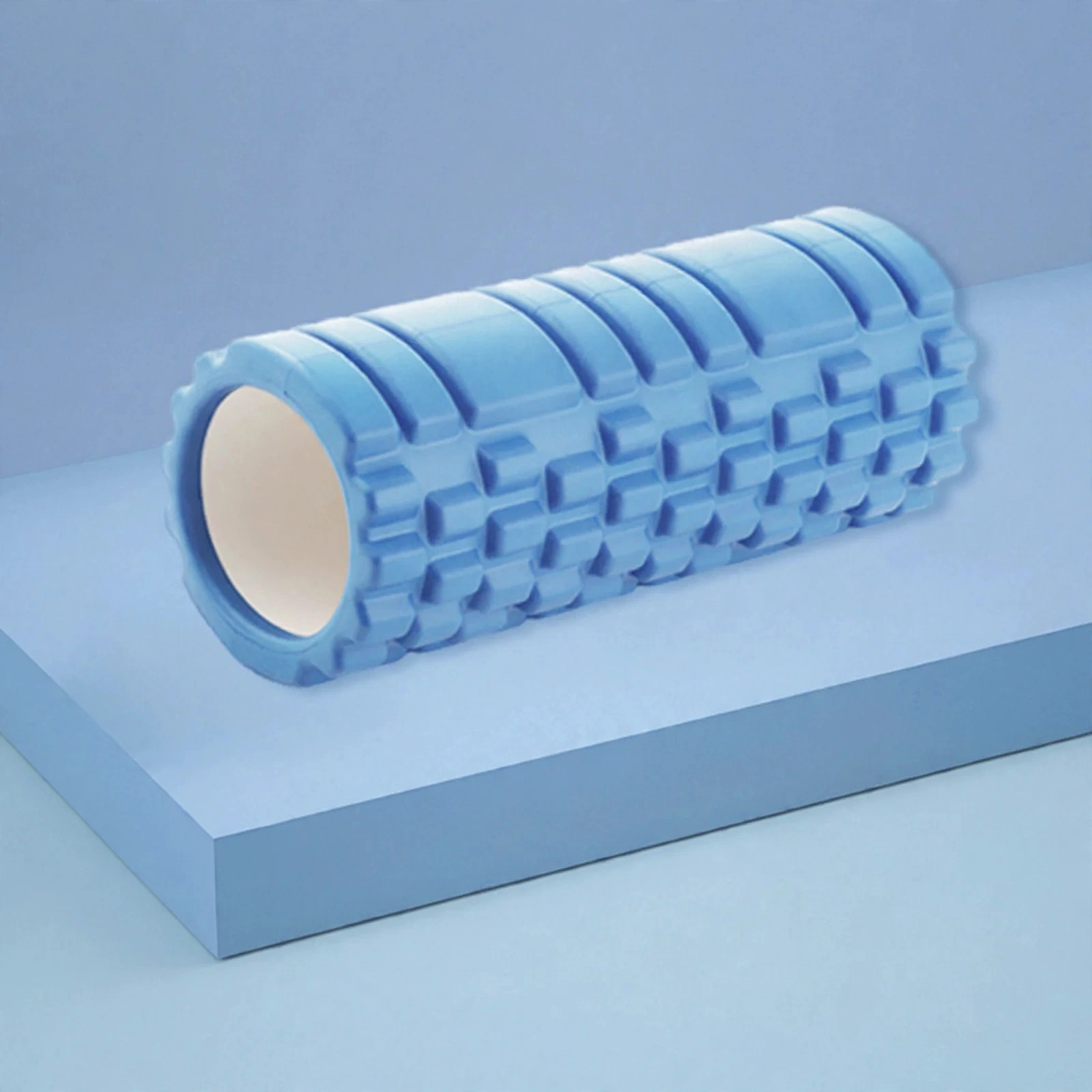
Rolo de Espuma com Grade – Recuperação Muscular em EVA
The Grid Foam Roller complements yoga practice by aiding muscle recovery and myofascial release, which is important for those using eco-friendly mats regularly.
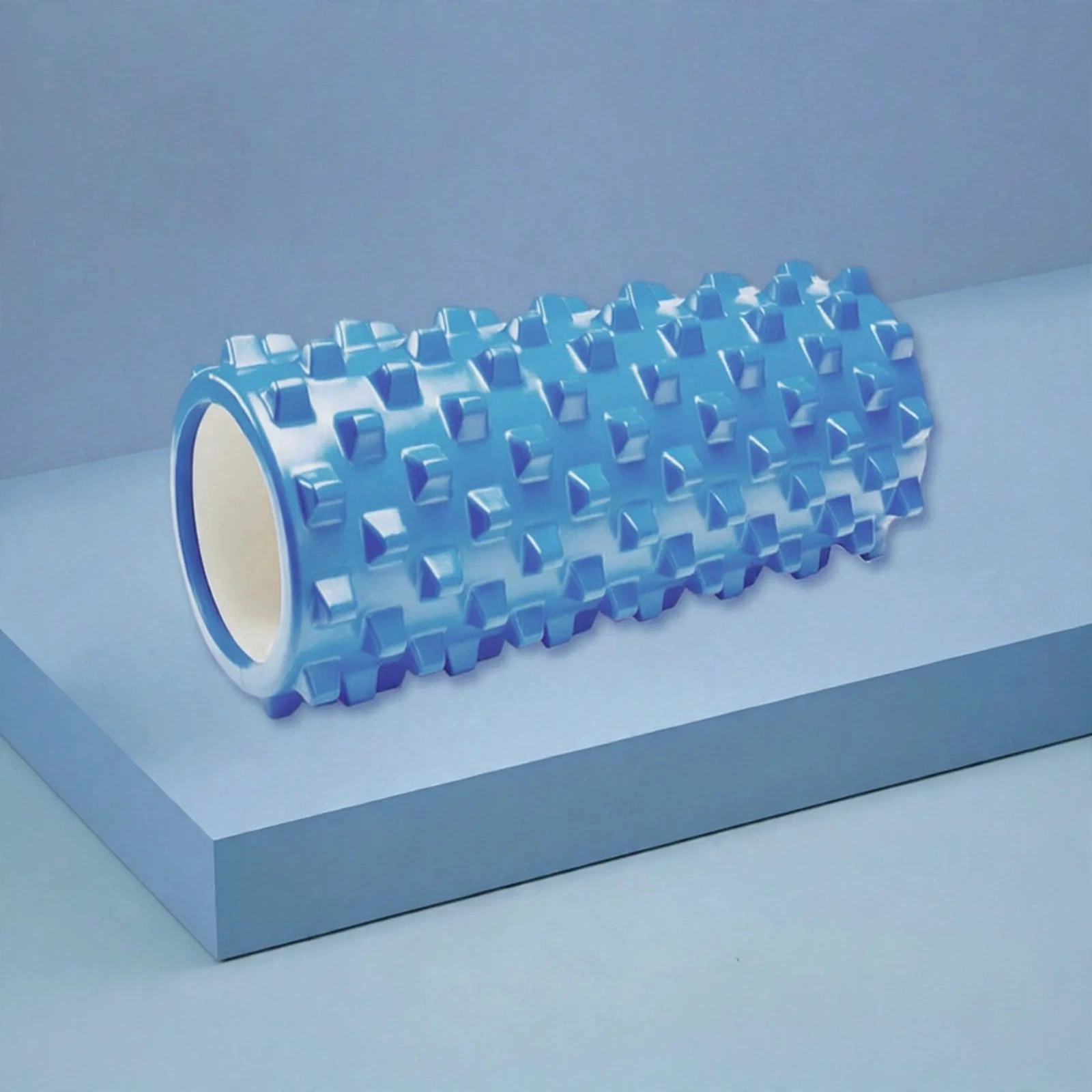
Rolo de Espuma com Pontas – Massagem Profunda em EVA
The Spiky Foam Roller provides deep tissue massage, helping yogis relieve tension and enhance recovery after sustainable yoga mat workouts.
Leitura relacionada

Como Limpar Seu Tapete de Yoga: Métodos Seguros para Cada Material
Manter seu tapete de yoga limpo é essencial para a higiene, aderência e para prolongar sua vida útil. Diferentes materiais, como…Equipamentos de Yoga Ecológicos: Guia para Tapetes e Toalhas Sustentáveis
Equipamentos de yoga ecológicos ajudam a reduzir o impacto ambiental ao utilizar materiais sustentáveis e práticas de fabricação responsáveis. Este artigo explica…Melhores Tapetes de Yoga para Hot Yoga: Principais Escolhas e Dicas de Especialistas
Escolher o melhor tapete de yoga para hot yoga pode ser desafiador devido ao suor intenso e à necessidade…