









Comment créer une salle de sport à domicile que vous utiliserez encore l’année prochaine
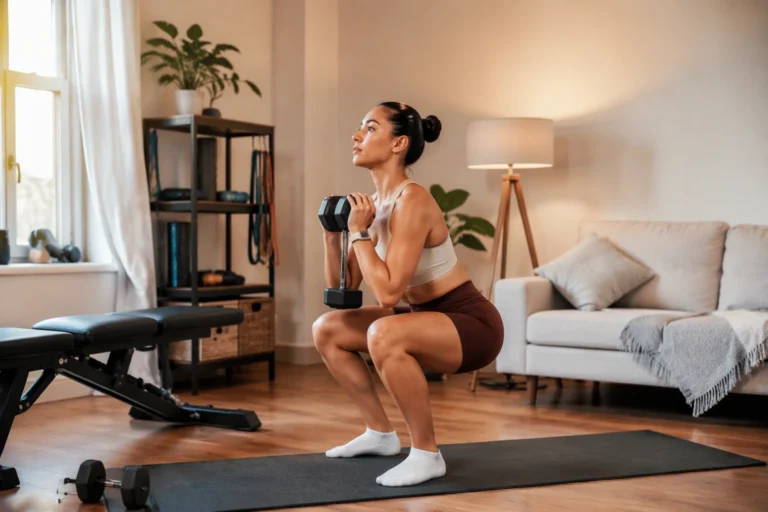
Building a home gym that you’ll actually use a year from now requires upfront planning, realistic budgeting, and choosing the right mix of equipment for your goals and space. From selecting multifunctional gear to creating an inviting workout environment, this article breaks down actionable strategies to help your investment pay off, keep you motivated, and avoid the clutter of unused fitness equipment.
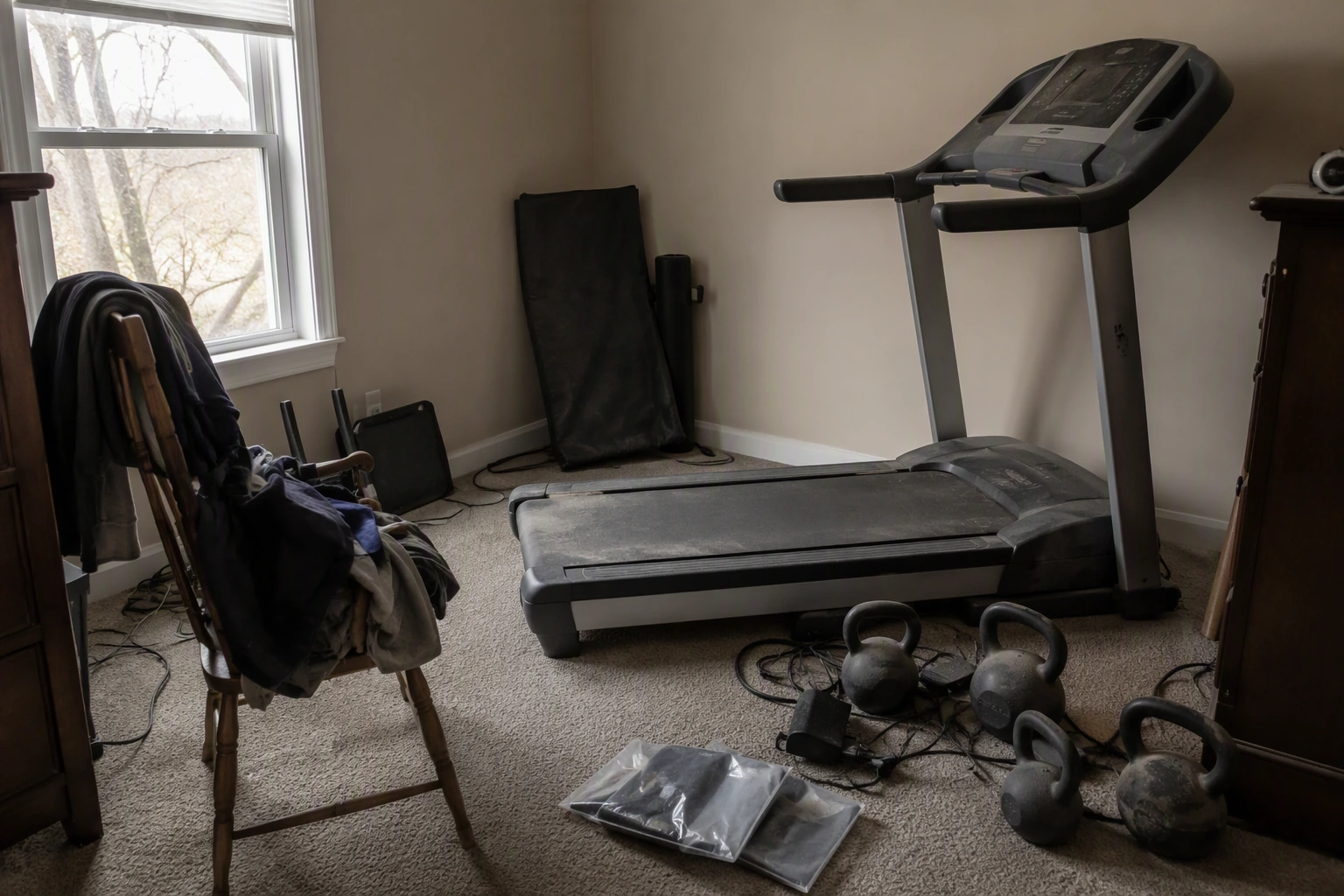
You've spent hours researching equipment, cleared space in your living room, and promised yourself that this time, you’ll stick with your home workout routine. But a few weeks in, your dumbbells are gathering dust, and your treadmill has become a coat rack. It’s frustrating to realize that building a home gym isn’t just about buying gear—it’s about creating a space you’ll actually use, not just for the first month, but all year long. If you’re wondering how to build a home gym you will still use next year, you’re not alone. Most people have faced this struggle, and it’s easy to feel discouraged when motivation fades and routines slip away.
The truth is, setting up a home gym often starts with excitement but quickly turns into disappointment. Too many choices, lack of clear goals, or uncomfortable layouts can make your new fitness space feel unwelcoming. You might have invested in equipment that doesn’t fit your lifestyle, or maybe your gym feels cramped and uninspiring. That nagging regret—seeing wasted money and unused space—is a common pain point. The good news? There are ways to break the cycle and design a home gym that keeps you coming back, not just tomorrow, but next year and beyond.
- Plan your home gym around your real fitness habits.
- Invest in essential and multifunctional equipment.
- Prioritize safety with items like squat racks.
- Create a motivating, clutter-free workout space.
- Use tech and routines to keep workouts engaging.
Why Do Most Home Gyms Go Unused?
Most home gyms end up collecting dust within a year, and the main culprit is a mismatch between ambition and practicality. Many people imagine themselves working out daily, so they buy too much equipment or the wrong types. Overambitious setups and lack of planning create clutter and frustration, making it easy to give up. Understanding these common pitfalls can help you avoid wasting money and space when figuring out how to build a home gym you will still use next year.
"I need a full rack of dumbbells, a treadmill, and a squat rack to get fit at home." For some, this is true—if you’re an experienced lifter or have a dedicated space, investing in a squat rack can be essential for varied, safe weightlifting at home. A rack supports exercises like squats, bench presses, and overhead presses, letting you train major muscle groups and progress safely as your strength increases.
"If I buy all the latest equipment, I’ll definitely work out more." This belief often backfires. Most home gyms go unused because people purchase expensive machines or racks that don’t fit their routines or spaces. Treadmills and bulky weight sets are common examples; if you dislike running or heavy lifting, that equipment quickly turns into an obstacle, not a motivator. According to market trends, multifunctional and space-saving gear is on the rise, but it only works if it matches your actual habits.
The problem gets worse when you fill your space with gear you saw in a fitness ad or influencer’s video, rather than what fits your routine. Without a clear plan, you might buy a rowing machine for $700 or a set of resistance bands for $40, but never use either because they don’t align with your goals or available time. Often, people underestimate how much space even a single treadmill (usually 6 feet by 3 feet) or squat rack (typically 4 feet by 4 feet) occupies, and soon the gym becomes a storage room for unused equipment.
Lack of planning can also mean you don’t consider how you’ll use the space day-to-day. If your gym corner gets blocked by laundry baskets or the equipment requires complicated setup, your motivation to exercise drops. Many abandon their gyms simply because the setup is inconvenient. Instead, planning around your daily habits and available space—like leaving a yoga mat unrolled or installing hangboards with easy hardware—removes friction and increases the chance you’ll stick with it for months, not just weeks.
Finally, one of the biggest mistakes is chasing variety over consistency. You might think you’ll use every machine if you have options, but most people stick to the same 2-3 types of workouts. Choosing gear that supports those main activities, and arranging your space for easy access, makes your gym feel inviting rather than overwhelming. When your setup matches your real-life exercise patterns, you’re far more likely to keep using it next year and beyond.
Comment choisir un équipement que vous utiliserez réellement
"I need every fancy piece of equipment to stay motivated." It’s tempting to think you’ll use a treadmill, rower, and full rack of kettlebells every week, but most people gravitate to the same few tools. Research shows that consistent routines are built on choosing gear that matches your style and your space. Aim for equipment that actually fits your daily preferences—if you like strength training, prioritize free weights; if you prefer bodyweight workouts, resistance bands could be your go-to.
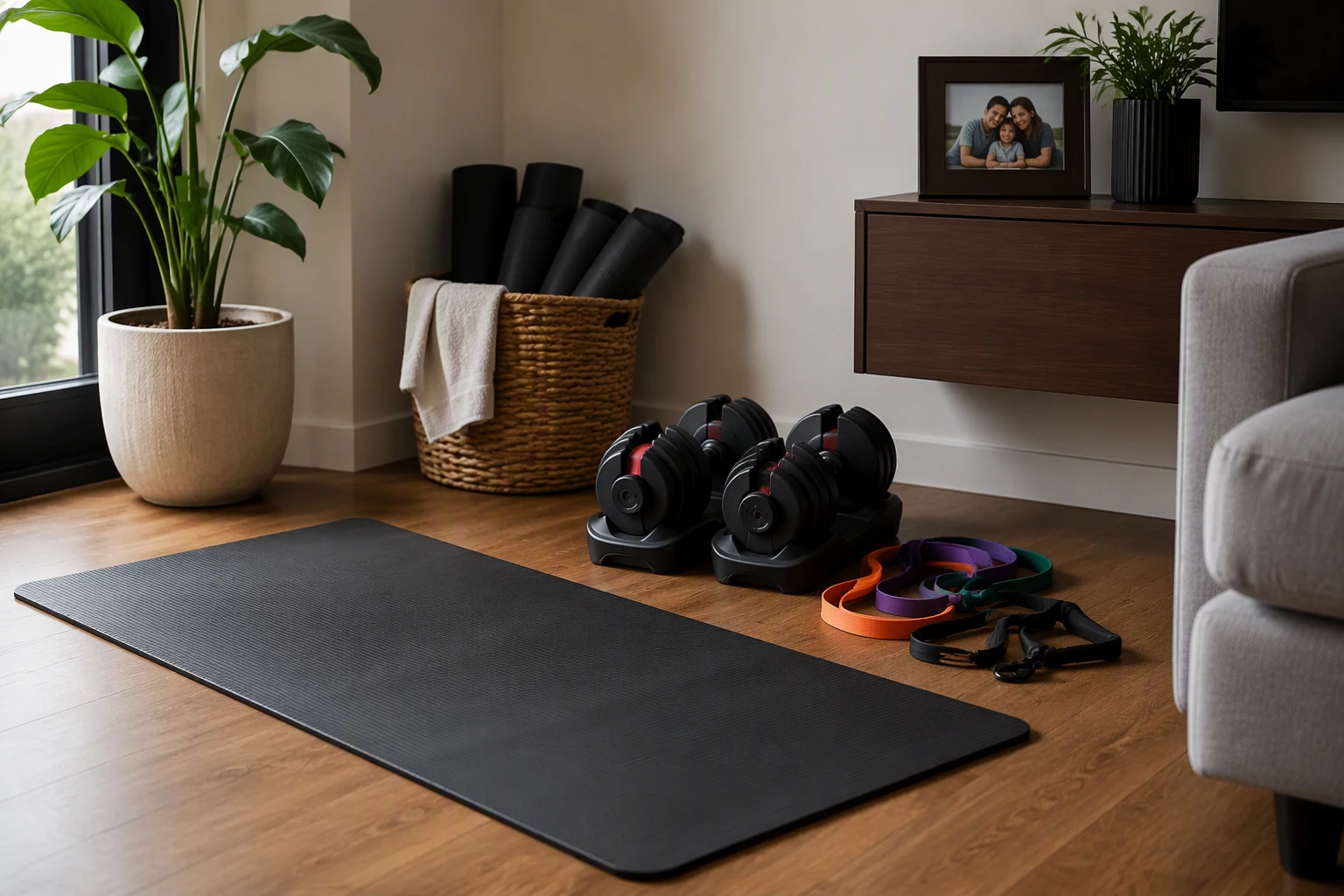
"A basic set of adjustable dumbbells is enough for most at-home workouts." Adjustable dumbbells truly are a staple for home gyms. They often replace 10 or more pairs of fixed-weight dumbbells, saving you both money and floor space. For example, a set of adjustable dumbbells ranging from 5 to 50 pounds costs $250 to $400 and takes up less than 2 square feet. You can cover presses, rows, curls, and lunges with just these and a sturdy bench.
Before you shop, take 10 minutes to write down the types of workouts you’ve actually done in the last month. Are you lifting three times a week, or do you stick to HIIT circuits and yoga? Be honest—if you’ve never used a barbell, a squat rack might gather dust. But if you already love squats and deadlifts at the gym, a squat rack is a smart investment for safety and versatility. Squat racks allow for barbell squats, bench presses, and pull-ups in one footprint, which is why they’re considered essential for home lifters by many coaches. If you’re tight on space, look for foldable squat racks that can be mounted to the wall and tucked away when not in use.
Space-saving design matters more than you might think. Multifunctional equipment is trending for a reason: it lets you do more with less. Resistance bands, for example, cost under $30 and fit in a drawer. They’re perfect for warm-ups, accessory work, or even a full-body workout if you’re traveling or short on time. TRX suspension straps are another compact choice, letting you perform dozens of moves using just your bodyweight and a door anchor. When shopping, measure your available space and consider ceiling height for things like pull-up bars or hangboards (which usually come with their own mounting hardware for easy home installation).
Don’t overcrowd your gym. Too much equipment can make your space feel cramped and discourage use. Start with a handful of pieces you know you’ll use at least twice a week. You can always add more later if your routine changes. If you find yourself avoiding certain gear for a month or more, consider selling it or swapping it for something that better fits your needs. This strategy helps keep your home gym uncluttered and makes workouts more inviting—so you’ll actually look forward to using your space next year, not just for the first few weeks.
"A squat rack is one of the most important pieces for a safe home gym."Vrai
This is true because squat racks support a variety of exercises and provide crucial safety when lifting weights at home. According to fitness facts, they are essential for anyone serious about strength training.
"Buying more equipment means you’ll use your home gym more often."Faux
More equipment can lead to clutter and decision fatigue, making the gym less inviting. Most people use only a few key pieces regularly, so focusing on multifunctional essentials is more effective.
What Space and Layout Work Best for Lasting Results?
If you want to build a home gym you will still use next year, start by measuring your available space carefully. Use a tape measure to check the length, width, and height of the room or area you plan to convert. Even a small corner of 6 x 6 feet (1.8 x 1.8 meters) is enough for a compact setup, but a spare bedroom, garage, or basement gives you more flexibility for larger equipment like a squat rack or treadmill. Mark off the area with painter’s tape before buying anything—this helps you visualize the layout and avoid crowding once your gear arrives.
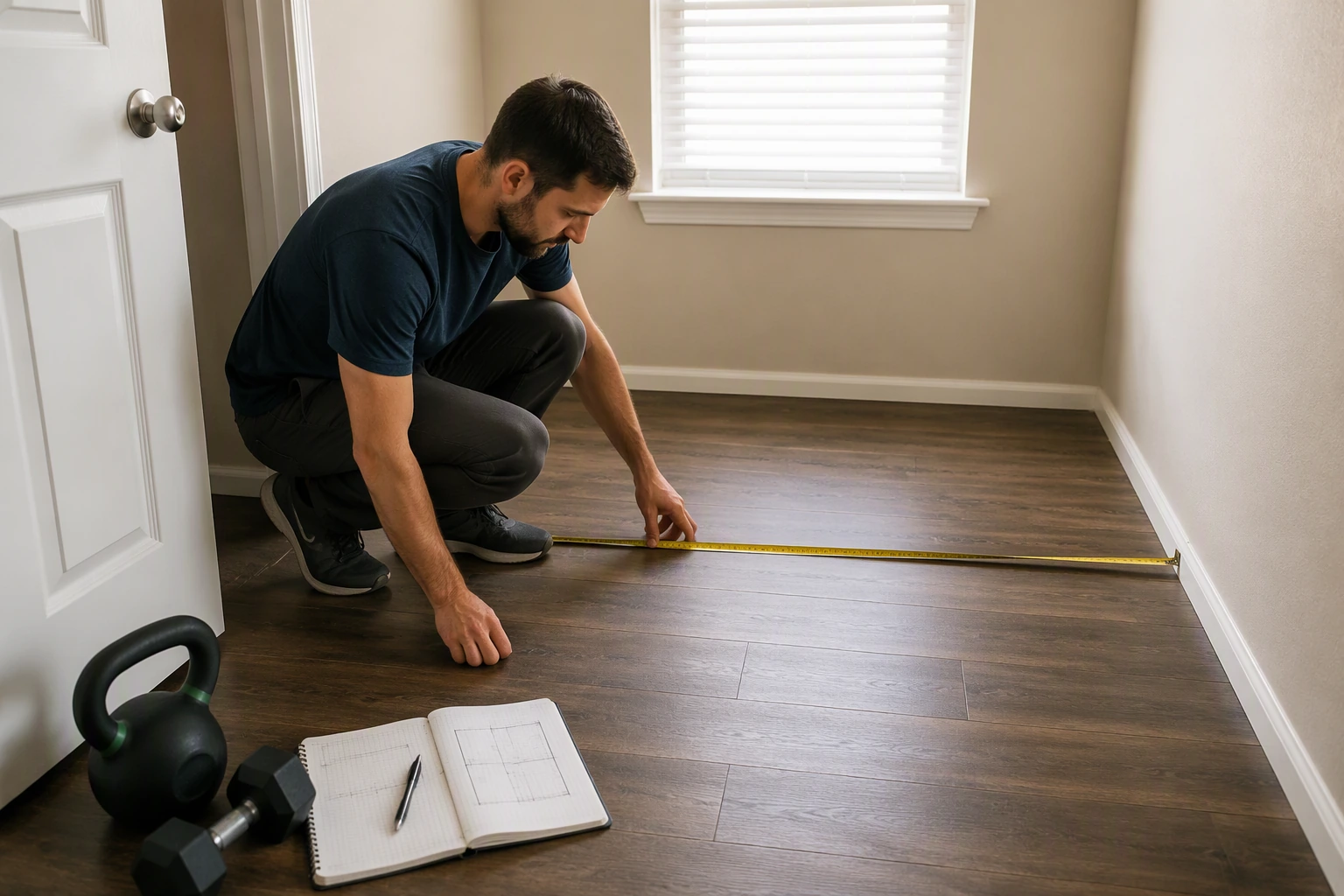
Optimizing your space means making every square foot count for function and motivation. Start by positioning larger equipment, such as a squat rack or exercise bike, against a wall to keep the center of the room open for floor exercises and stretching. Foldable or stackable gear, like adjustable benches and dumbbells with a compact rack, can reduce clutter significantly. Multifunctional equipment—such as resistance bands, a TRX suspension system, or a bench that doubles as storage—lets you complete a full workout without filling the room. There is a growing trend toward space-saving equipment, so prioritize gear that gives you more than one type of workout in the same footprint.
Clutter is the enemy of a lasting home gym. Keep your space tidy by assigning every item a spot, whether that’s a vertical rack for weights, a basket for resistance bands, or hooks for your jump rope and yoga mat. Avoid piling equipment in corners or under furniture; not only can this damage your gear, but it also makes you less likely to use it consistently. After each workout, take two minutes to put everything back—it’s a simple habit that keeps your gym inviting and ready for action.
Lighting, ventilation, and decor play a bigger role in gym motivation than many people realize. Bright, natural light can help boost your mood and energy, so position your gym near a window if possible. If natural light isn’t an option, use LED bulbs with a 4000K–5000K color temperature for a crisp, daylight-like feel. Good airflow is crucial; a portable fan or an open window helps keep the space fresh and reduces odors. Personalize your gym with motivational posters, a favorite color on the walls, or even a Bluetooth speaker for music—when the space feels like your own, you’re far more likely to keep coming back.
One mistake to avoid is overfilling your space at the start. It’s tempting to buy every gadget, but too much equipment leads to mess and decision fatigue. Begin with essentials—think a mat, adjustable dumbbells, resistance bands, and a sturdy bench. As you develop your routine, add only what you’ll genuinely use. The key to a home gym you will still use next year isn’t just the equipment, but how that equipment fits your space and your habits.
Maintaining Motivation: What Keeps You Coming Back?
Maintaining motivation is the real secret to how to build a home gym you will still use next year. It starts with setting up routines that fit your daily life. Committing to a 30-minute workout at 7 AM or scheduling three 45-minute sessions per week makes exercise a non-negotiable part of your calendar. When you plan out exact days and times, your gym doesn’t become an afterthought—it becomes a habit. Start simple: write your sessions in your phone calendar or stick a visible schedule on your fridge.
Tracking your progress is essential for staying engaged. Whether you prefer classic pen-and-paper logs or digital tracking, recording your reps, weights, and minutes helps you see real gains over time. For example, logging your squat rack workouts with specifics like “5 sets of 8 reps at 135 lbs” lets you notice improvements and plateaus. The act of tracking itself builds accountability. If you skip a session, it’s right there in your log—making it easier to spot and fix lapses before they become a routine.
Workout apps are a practical tool for adding variety and convenience. Apps like Nike Training Club or Strong offer hundreds of routines, from bodyweight HIIT to dumbbell circuits, with guided instructions and timers. This means you can try a new 20-minute HIIT workout or a 45-minute strength session without guessing what comes next. Apps also let you track progress, set reminders, and even connect to smart devices for heart rate or calorie data. Since workout app popularity is rising among home fitness users, you’ll find both free and paid options—most subscriptions range from $10 to $30 per month. If you’re tired of repeating the same workout, apps can break monotony and keep you coming back.
Entertainment and social elements play a huge role in motivation. Listening to energetic playlists or podcasts during your treadmill or cycling sessions can make 30 minutes fly by. If you prefer visual entertainment, streaming shows while on your stationary bike is a popular trick. For a social boost, consider virtual group workouts or challenge friends through apps; many platforms allow you to join live classes or compare scores. This kind of interaction mimics the accountability you’d get from a gym buddy or class, even if you’re working out alone at home. Avoid isolating yourself—regular check-ins with friends or online communities can turn solo exercise into a shared journey.
One common mistake is letting your routine get stale. If you always do the same 20-minute dumbbell circuit, your motivation can slump after a few weeks. To avoid this, rotate your workouts every month and try new equipment or training styles. For example, switch from strength circuits to yoga or add a hangboard for grip training, which installs easily with included hardware. Keeping your routines fresh, tracking every session, and mixing in entertainment or social elements will help ensure your home gym stays a place you actually want to use—not just a dust collector. Stay consistent, and you’ll see results well beyond year one.
"Workout apps help keep home fitness routines engaging and convenient."Vrai
Workout apps are increasingly popular because they offer variety, structure, and tracking, which help users stay motivated and consistent with home workouts.
"Setting up a home sauna guarantees you’ll use your gym more often."Faux
While home saunas can aid relaxation and cardiovascular health, simply having one doesn’t ensure increased gym usage. Motivation comes from habits and environment, not just equipment.
Product Advice: Essentials vs. Extras
"A squat rack is just a nice-to-have for a home gym." Actually, a squat rack is essential if you plan to lift weights safely at home. With a proper rack, you can perform squats, bench presses, and overhead presses without risking injury from failed reps. The safety bars let you push yourself to failure on heavy sets—say, 5 sets of 5 reps at 135 pounds—without worrying about dropping the bar. Investing $200-$500 in a sturdy squat rack is far more important than buying flashy extras if strength training is part of your routine.
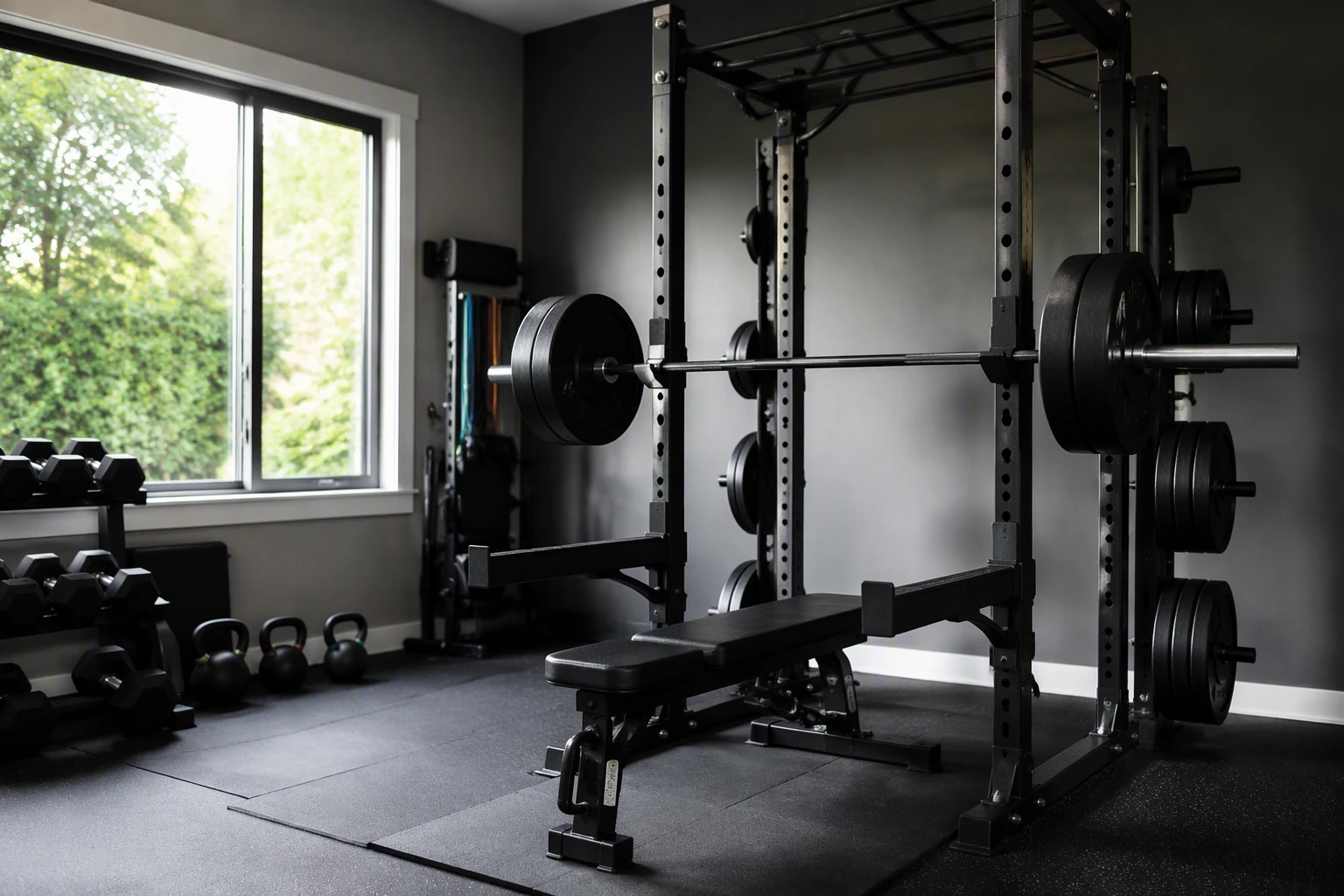
"Hangboards and home saunas are must-haves for everyone." Hangboards and home saunas are valuable, but only if your goals match their specialized benefits. Hangboards, for example, are designed for climbers who want to train finger strength. They’re easy to install thanks to included mounting hardware, and you can do 10-20 second hangs for 3-5 sets as part of a focused grip workout. Home saunas are great for recovery, relaxation, and cardiovascular health, but they’re a significant investment—often $1,000 or more—and require space. If you’re not climbing or prioritizing recovery, these extras can become expensive dust collectors.
When you’re deciding how to build a home gym you will still use next year, focus on essentials first. Start with multifunctional equipment that supports your core training goals. If your main aim is strength, prioritize a squat rack, adjustable bench, and a set of dumbbells (5-50 pounds, $300-$400 total). For cardio, a compact treadmill or rowing machine that fits your space and budget works better than buying several single-purpose items. Avoid buying gear just because it’s trendy or on sale. The temptation to fill your gym with extras—like plyo boxes, specialty bars, or advanced recovery tools—can leave you with clutter and wasted money.
Make a list of your top three fitness priorities and match your purchases to those needs. For example, if you want to improve general strength and mobility, you might choose a squat rack, resistance bands ($30-$50), and a yoga mat ($20-$50). If you’re training for climbing, add a hangboard, but skip the sauna unless recovery is a major focus. Review your planned purchases every few months; if you haven’t used something for at least 30 minutes each week, reconsider its place in your gym. Overbuying is the most common mistake—many people end up with unused machines or accessories after the initial excitement fades. Stick with the basics that directly support your training, and add extras only when you’ve proven you’ll use them regularly.
Avoid the mistake of assuming more equipment means better results. Quality trumps quantity, especially in small spaces. Choose versatile gear and make sure every item fits your plan and gets consistent use. If you’re unsure, start with less, then expand as your routines evolve. By focusing on essentials and resisting impulse buys, you’ll create a home gym that remains useful and motivating well beyond your first year.
FAQ
De combien d’espace ai-je besoin pour une salle de sport à domicile basique ?
Une salle de sport domestique basique peut être installée dans un espace aussi petit que 6 par 6 pieds, suffisant pour un rack à squats, un banc et quelques poids libres. Veillez à laisser de la place pour des mouvements sûrs et le rangement.
Quel est le matériel minimum nécessaire pour commencer une salle de sport à domicile ?
Au minimum, la plupart des personnes tirent profit d’un rack à squats, d’un banc réglable, d’un ensemble d’haltères ou de bandes de résistance, et d’un tapis. Ces équipements permettent de réaliser la plupart des entraînements pour tout le corps sans coût ou encombrement excessif.
Comment puis-je empêcher mon gymnase à domicile de devenir encombré ?
Passez régulièrement en revue les équipements que vous utilisez réellement et rangez ou vendez ceux qui ne sont pas utilisés. Utilisez des supports muraux, des étagères et du matériel compact pour maximiser l’espace et garder la zone accueillante.
Are home saunas worth adding to a home gym?
Home saunas can improve relaxation and cardiovascular health, but they are not essential for most users. Consider one if you value recovery and have the budget and space.
How can I stay motivated to use my home gym regularly?
Set specific workout times, use workout apps to track progress, and refresh your routines every few months to keep workouts engaging and help build long-term habits.
Produits associés
Équipement pratique VVZIO adapté à l’objectif d’entraînement de cet article.
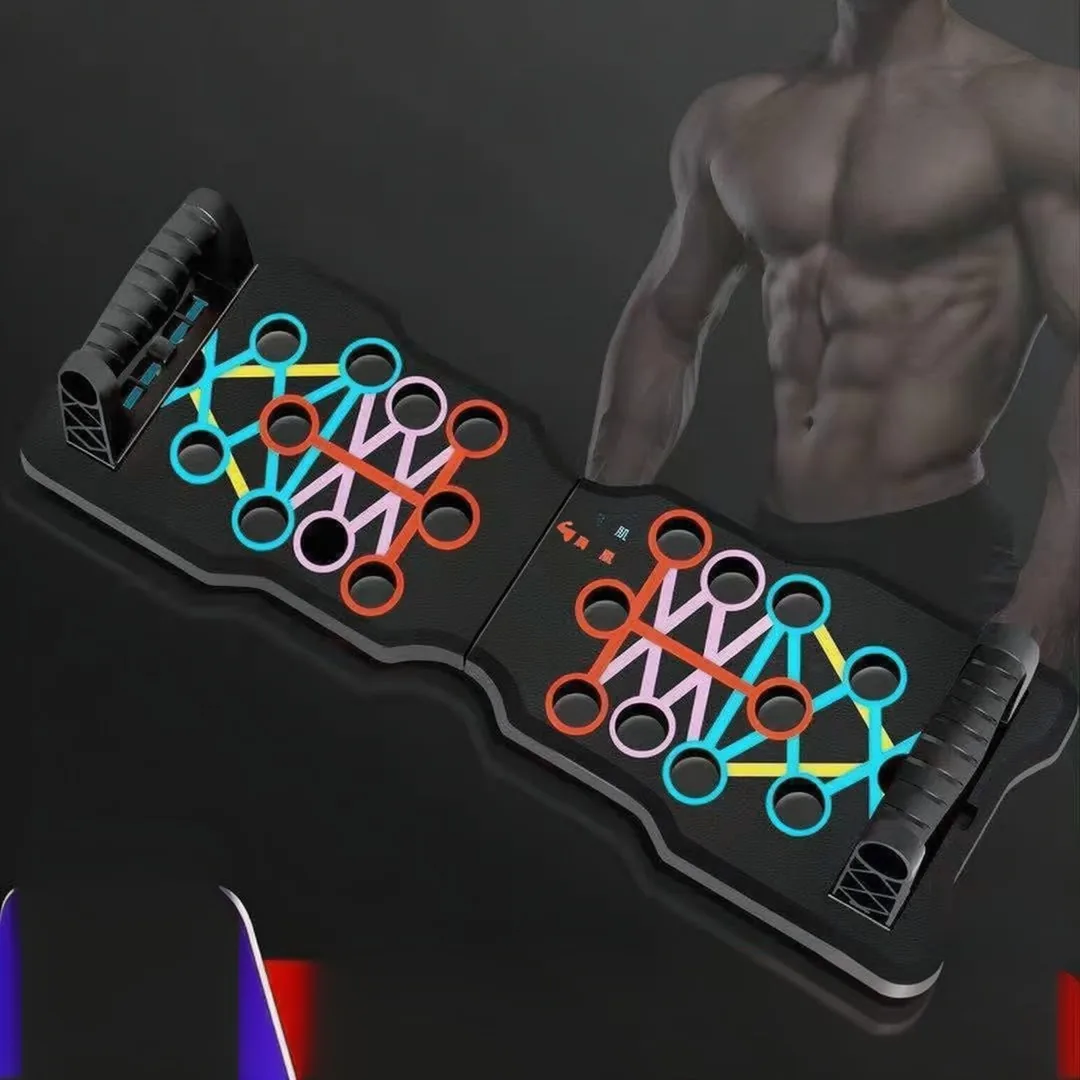
Ensemble multifonctionnel de planche à pompes avec accessoires d’entraînement
This multifunctional push-up board set supports varied workouts and targets multiple muscle groups, matching the article's advice to invest in versatile, space-saving equipment.
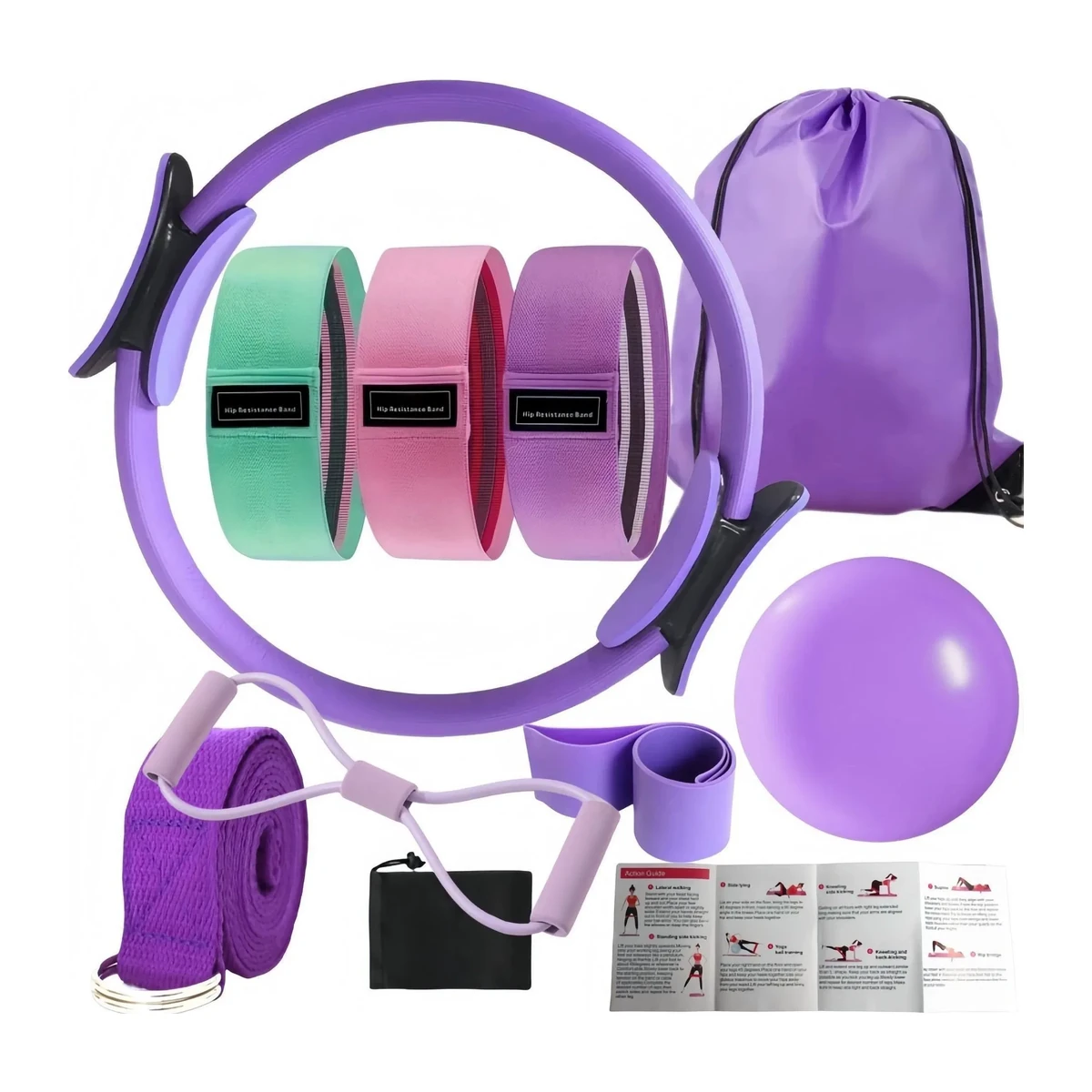
Kit Pilates complet pour la maison avec anneau, balle et bandes de résistance
The Complete Pilates Home Kit offers essential, low-impact gear for home routines, aligning with the article's recommendation to choose equipment that fits your real fitness habits.
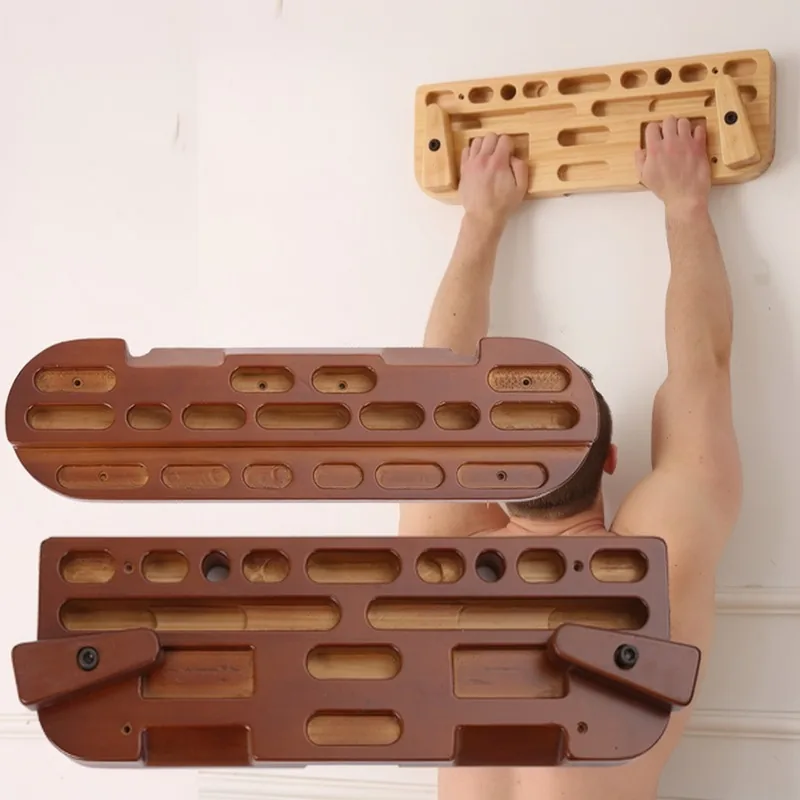
Hangboard d'escalade portable en bois
The Portable Wooden Climbing Hangboard is compact and easy to install, helping create a motivating, clutter-free workout space as emphasized in the article.
Lectures associées

Comment créer une salle de sport à domicile que vous utiliserez encore l’année prochaine
Building a home gym you’ll still use next year requires realistic planning, equipment that matches your space and…