









Best Rock Climbing Hangboards for Beginners: Top Picks and Training Tips
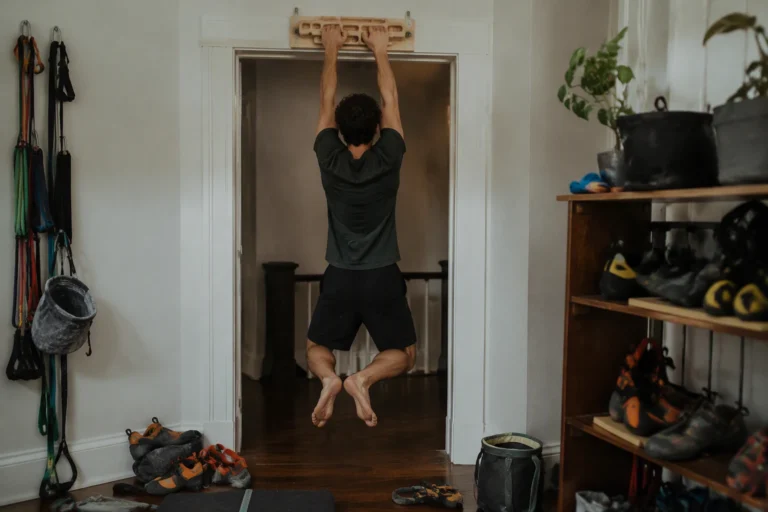
Hangboards are essential for new climbers aiming to build grip strength and improve their climbing performance at home. Beginner-friendly hangboards offer versatile training options and simulate real climbing holds, making them a top choice for those starting out. This guide explains what to look for and recommends the best models for safety, effectiveness, and ease of use.
You know the feeling: you’re fired up about rock climbing, but every time you hit the gym or crag, your fingers just can’t keep up. You watch others glide up routes while your grip fades and your hands ache after only a few moves. It’s frustrating, especially when your motivation is high but your progress stalls because your finger strength isn’t where it needs to be. You want to improve, but you don’t know how to build the kind of foundation that will help you tackle harder climbs with confidence.
If you’ve searched for ways to train at home, you’ve probably seen hangboards mentioned again and again. Yet, picking the right one feels overwhelming—there are so many shapes, holds, and materials, and you worry about injury or wasting money on something that’s too advanced. You’re not alone in this; most beginner climbers struggle to find the best rock climbing hangboards for beginners that will support their progress without risk. The right hangboard can make all the difference, helping you develop finger strength safely and effectively, so you can finally break through those plateaus and enjoy climbing more.
- Hangboards help beginners improve grip strength for climbing.
- Multi-functional hangboards simulate real climbing holds.
- Regular use can boost performance and confidence.
- Choosing the right model reduces injury risk.
- User reviews highlight effectiveness for new climbers.
Why Hangboards Matter for Beginner Climbers
Building grip strength is one of the most important steps for new climbers, and hangboards are a proven way to do it right from your home. The best rock climbing hangboards for beginners are specifically designed to help you improve finger and forearm strength, which is essential for tackling every type of climbing hold. Instead of waiting for gym time, you can use a hangboard for just 10 to 20 minutes, two to three times per week, and start seeing real progress in a matter of months. Consistency is key—regular training on a hangboard can lead to measurable improvements in both grip strength and climbing performance, according to user reviews and training experts.

Many first-time climbers underestimate how much their hands and fingers need to adapt. Hangboards let you focus on this weak link by offering pockets, slopers, and edges that mimic real rock features. Beginner-friendly models often include deeper holds and smoother textures to reduce the risk of injury while you develop good technique. Using a hangboard at home also means you don’t have to rely on gym access or expensive equipment—most starter boards cost between $40 and $80, making them a smart investment for anyone serious about progress.
“I can skip grip training and just climb more to get stronger.” False. While climbing is great, dedicated grip work on a hangboard targets specific muscles and tendons that don’t always get enough overload during a regular climbing session. Without this focused training, your progress can slow down or even plateau, especially as harder routes demand more from your fingers and forearms.
When you use a hangboard properly, you’re not just building raw strength—you’re also learning how to engage your shoulder and core muscles for safe, efficient movement. Beginner hangboard routines usually start with easy-to-hold jugs or large edges, where you hang with both hands for 7 to 10 seconds, then rest for 50 seconds. Repeat this for 6 to 10 sets. As you get stronger, you can gradually move to smaller edges or deeper pockets, always keeping good form and listening to your body to avoid injury.
Hangboards don’t just build strength; they help you track your progress in a way that climbing alone can’t. You’ll notice small changes—being able to hang a little longer, or finally holding a smaller edge—that add up over time. Many climbers find it motivating to record their hang times or repeat counts, creating a visual reminder of improvement. These small wins are especially important for beginners, as they build confidence and encourage you to stick with your routine.
“Hangboards are only for elite climbers.” False. In reality, there are plenty of hangboards designed with beginners in mind, featuring larger holds and simple setups. Starting early with the right equipment and a sensible routine can set you up for safer, faster progress as you advance through the grades. If you’re looking for one of the best gifts for climbers or just want to take your training up a notch, a beginner-friendly hangboard is a practical, affordable place to start.
How to Choose the Best Hangboard for Beginners
Choosing the best rock climbing hangboard for beginners starts with finding a board that features multiple pocket depths and varied edge shapes. This versatility lets you train different grip styles, which is key for improving overall climbing performance and grip strength. Beginners benefit from boards with several hold options—look for shallow pockets (10-15 mm) for initial training and deeper pockets (20-30 mm) as you progress. Boards with slopers, crimps, and jugs offer a more realistic climbing feel and support a broader range of exercises.

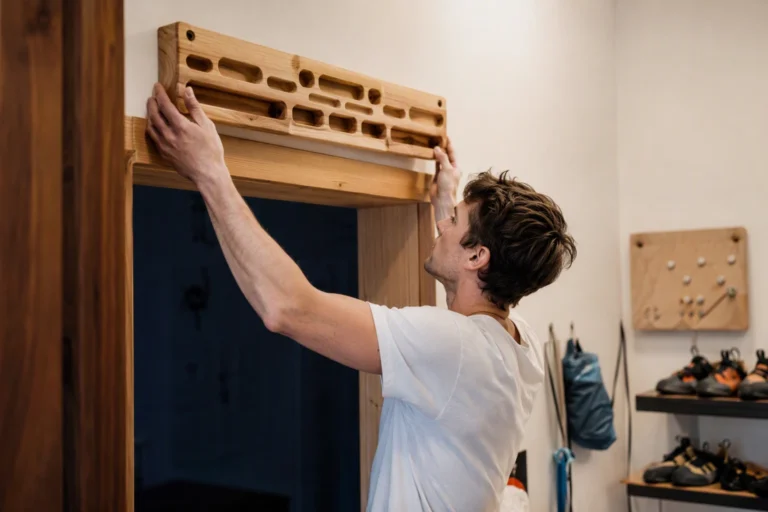
Mounting ease is another critical factor for new climbers. A good hangboard should come with clear installation instructions and mounting hardware, allowing you to set it up in less than 30 minutes without advanced tools or carpentry skills. Models that offer portable mounting, such as doorway brackets or over-the-door designs, are ideal if you’re renting or don’t want to drill into walls. Adjustable boards can be repositioned to suit your space, making them more beginner-friendly and reducing setup stress.
Grip size matters for safety and comfort. Beginner-friendly hangboards typically feature rounded edges and larger holds, reducing strain on your fingers and minimizing injury risk. Look for boards with edges at least 20 mm thick for your first months of training. If the board includes small crimps or narrow pockets, start with sets of 5–10 seconds hangs and gradually build up strength before attempting longer holds. Clear, illustrated instructions should guide you through proper grip technique and recommended routines—boards that offer this help you avoid common mistakes, like over-gripping or using improper form.
Material durability and comfort go hand in hand. Hangboards are usually made from wood, resin, or polyurethane. Wooden boards are generally smoother and gentler on skin, which is a plus for frequent sessions (2–3 times per week). Resin and polyurethane boards offer texture and durability but can be harsher if used daily. For beginners, a wooden board is often recommended for its comfort, but all materials can be suitable if the board is well-made and has rounded edges.
Many beginners believe, “A hangboard with only one type of hold is enough for starting out.” The reality is, you’ll progress faster with a board featuring multiple pocket depths and edge shapes, giving you more ways to challenge your grip and avoid plateaus during training.
Some think, “Mounting a hangboard always requires drilling into the wall.” Actually, many beginner models offer portable or doorway mounting solutions, so you can set up your board without permanent modifications.
As you shop, consider boards priced between $60 and $120 for entry-level quality. Avoid products with sharp edges or unclear mounting instructions—these can lead to frustration or injury. Take time to read user reviews for feedback on durability and comfort, and aim for a board that fits your training frequency. If you’re unsure about edge depth or grip size, start with larger, rounded holds and gradually introduce smaller pockets as your strength improves. Remember, consistent training and proper grip technique will help you get the most from your hangboard and support your climbing goals.
Some beginners believe, “Any hangboard material will feel comfortable during frequent training.” In practice, wood is gentler on skin and often preferred for regular sessions, especially when hanging 2–3 times a week.
Others think, “Grip size doesn’t matter as long as I hang for short periods.” This isn’t accurate—using holds that are too small or sharp can increase the risk of injury, even during brief hangs, so always start with larger, rounded holds for safety.
"“Hangboards help beginner climbers improve grip strength.”"True
Hangboards are proven to be effective for building grip strength, which is essential for climbing performance. Beginners often see noticeable improvements with consistent use, as supported by user reviews and training recommendations.
"“Only advanced climbers benefit from hangboards.”"False
Hangboards are designed for both beginners and advanced climbers. Many models include features specifically for new users, such as larger holds and clear instructions, making them accessible and beneficial for those just starting.
What Exercises Can Beginners Do With Hangboards?
Hangboards are an effective tool for beginners looking to build grip strength and finger endurance for rock climbing. As a new climber, you can start with basic exercises like grip holds, finger hangs, and pull-up variations that target the muscles you depend on most during a climb. Many hangboards come with multiple pocket depths and edges, allowing you to experiment with various finger positions, from open-handed grips to two-finger pockets. This versatility means you can gradually introduce new challenges as your strength improves, but the key is to start slow and prioritize proper form.
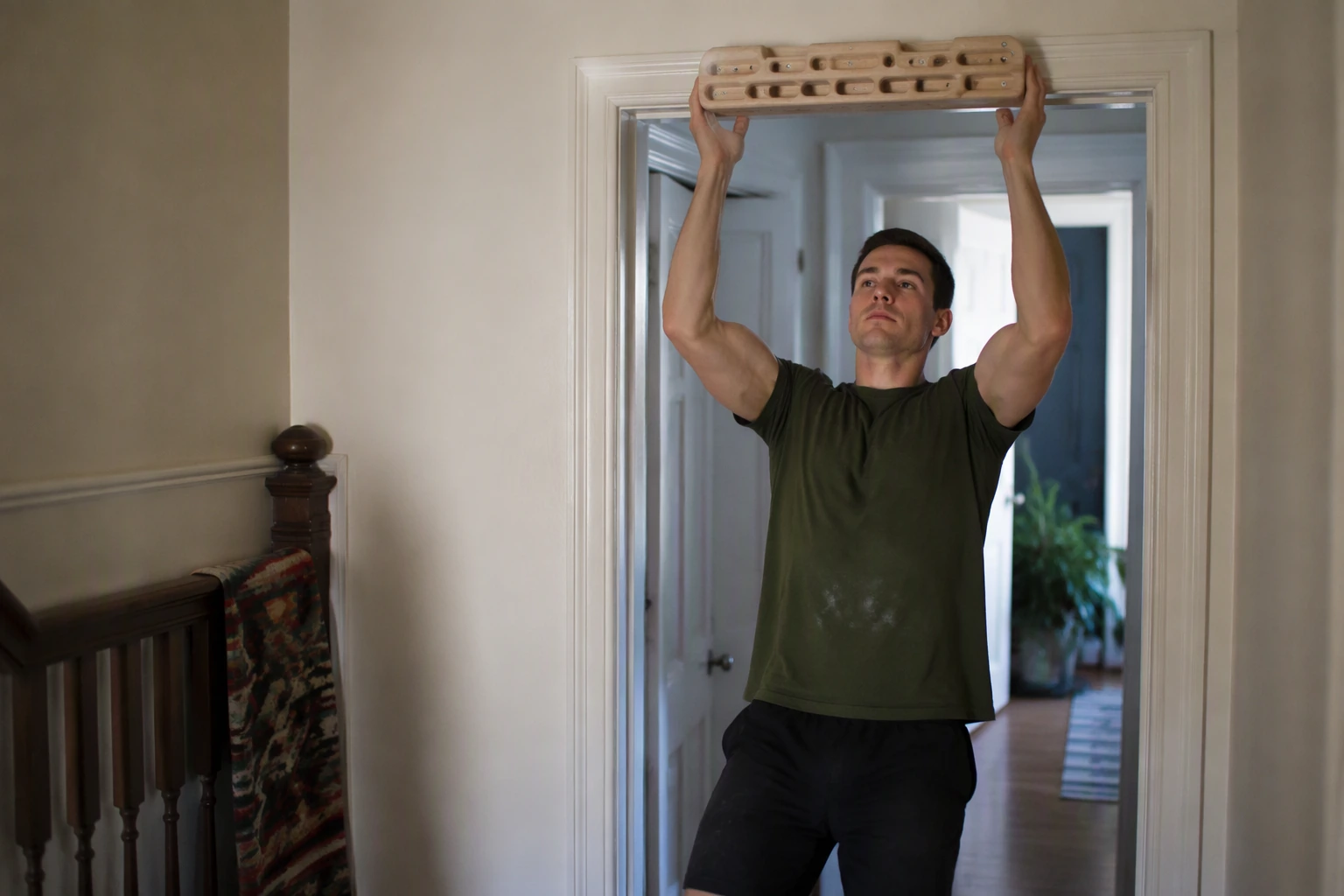
If you're new to hangboarding, begin with short, controlled holds lasting 5–10 seconds. This helps prevent injury and builds a foundation for longer sessions. Place your fingers in different pockets—such as the large jug, shallow edge, or three-finger slot—to train a variety of grip types. For example, you might do three sets of 5-second hangs using the large edge, resting for at least 90 seconds between sets. Avoid the temptation to jump straight into small pockets or extended hangs, as this risks tendon strain and can set back your progress.
Pull-up variations are another beginner-friendly exercise you can do with your hangboard. Start with assisted pull-ups using a resistance band or a chair if you can't yet complete a full pull-up. Aim for two sets of 3–5 reps, using the largest, most comfortable grip on the board. As your strength improves, you can gradually reduce assistance and try different grip positions for added challenge. Always keep your shoulders engaged and avoid locking your elbows to reduce strain.
Consistency is critical for results. Most beginners benefit from a hangboard routine two to three times per week, with at least one day of rest between sessions. Overtraining can lead to finger injuries, so listen to your body and skip sessions if you feel pain in your fingers, elbows, or shoulders. Rotate through different pockets and grips each week to avoid plateaus and develop balanced strength. Many climbers find tracking their progress in a notebook helps them stay motivated and spot improvements.
Common mistakes include using pockets that are too shallow too soon, hanging for longer than 10 seconds as a beginner, or skipping warm-ups. Always start with a few minutes of general movement—such as arm circles and light stretching—before your first hang. Finish with cool-down stretches for your fingers and forearms. By sticking to controlled, short-duration hangs and varying your grip positions, you'll build a solid foundation for climbing and avoid common injuries. Remember, user reviews consistently highlight hangboards as highly effective for improving grip strength, especially when following a regular, well-structured routine.
Are Hangboards Safe for New Climbers?
Hangboards are generally safe for new climbers when you use proper technique and progress gradually. Most beginner hangboards are designed to offer larger, more comfortable holds and rounded edges, which reduce the risk of finger injuries. The key is to start with easy grip positions and short hang times, such as 5-10 seconds per repetition, with at least 2 minutes of rest between sets. If you’re just starting, aim for no more than two sessions per week, and focus on open-handed grips instead of crimping, which puts more strain on tendons.
"Hangboards are safe for beginners if you follow the recommended training guidelines." This is generally true because beginner hangboards feature ergonomic designs that support proper finger positioning and minimize excessive stress. If you stick to 2–3 sets of 5–10 second hangs with full rest, you’re less likely to overstrain your fingers.
"Any climber can use hangboards right away without risk." That’s false. Hangboard training demands careful progression. Jumping into intense routines, such as multiple sets of 20-second hangs or advanced grips, can lead to tendon injuries, especially in climbers with less than six months of climbing experience.
Beginner hangboards are specifically built to help you train safely. Many models, like the Metolius Project Board or Beastmaker 1000, have multiple pocket depths and rounded edges, allowing you to simulate various climbing holds without overstressing your fingers. Look for boards with at least three different hold sizes and a price range between $50 and $100. Boards in this range typically provide softer material and better grip comfort, making them ideal for new climbers.
One of the most common mistakes is overtraining. Your fingers and tendons need time to adapt, so avoid daily hangboard sessions or trying to max out your grip strength early. Instead, track your progress by recording hang times and rest intervals in a notebook or app. If you notice pain or discomfort, stop immediately. Tendon injuries can take months to heal and often occur from excessive repetition or poor technique.
User reviews are an excellent resource for safety insights. Look for feedback that mentions ease of use, comfort, and injury prevention. Many climbers report improved grip strength after regular hangboard use, but note that most positive reviews emphasize gradual progression and following manufacturer guidelines. If you see consistent reports of finger pain or discomfort, especially from beginners, that’s a sign to reconsider that model or approach.
Grip strength is crucial for climbing performance, but safe hangboard training depends on patience and correct form. Always warm up with finger stretches and gentle pulls before your hangboard session—5 minutes is usually enough. Focus on quality over quantity, and remember that sustainable progress comes from consistency. Hangboards can be a powerful training tool, but only if you respect your body’s limits and listen to experienced climbers’ advice.
"Beginner hangboards are safer because they have softer edges and bigger holds." This is true. Most entry-level boards use rounded edges and offer larger holds, reducing the chance of finger strain compared to advanced models with tiny pockets.
"Reading user reviews isn’t helpful for finding the safest hangboard." That’s false. User reviews often highlight issues like sharp edges, slippery materials, or poor ergonomics. Checking these firsthand accounts helps you avoid models that could increase your injury risk.
"“Most hangboards offer multiple pocket depths and edge shapes.”"True
Hangboards commonly feature a variety of pocket depths and edge shapes to simulate different climbing holds. This versatility allows beginners to train various grip types and gradually progress in difficulty.
"“Hangboard training guarantees fast climbing progress for everyone.”"False
While hangboards can significantly improve grip strength over time, progress depends on consistent, safe training and individual factors. Rapid results are not guaranteed, and overtraining can lead to injury, especially for beginners.
Which Hangboard Models Are Recommended for Beginners?
If you’re searching for the best rock climbing hangboards for beginners, focus on models that combine user-friendly features, comfort, and proven durability. Many new climbers feel overwhelmed by the variety of training boards out there, but a few standout options consistently receive positive reviews from beginners and coaches alike. A solid beginner hangboard should offer a range of pocket depths and edge sizes so you can safely build grip strength at your own pace. Multi-functional designs not only help you mimic different climbing holds but also keep your training engaging as you progress.

Popular beginner hangboards like the Metolius Project Board and the Trango Rock Prodigy Training Center are often recommended for their versatility and thoughtful design. These boards include multiple holds—jugs, slopers, and varying pocket depths—letting you target different finger and hand positions. The Metolius Project, for example, is compact (24.5 x 6 inches), lightweight (about 3.5 lbs), and easy to mount above a doorway with just a drill and a few screws. This makes it ideal if you have limited space or want something you can install in under 20 minutes.
Durability is a key concern for beginners who plan to train regularly. Look for hangboards made from high-quality resin or wood, as these materials resist wear and provide a comfortable grip. Wood boards, such as the Beastmaker 1000 Series, are especially popular for their skin-friendly texture that helps reduce the risk of flappers and skin tears—common beginner mistakes when training too aggressively on rougher plastic boards. If you’re training frequently, a board that remains comfortable after hundreds of sessions will keep your motivation high and your hands healthier.
Comfort and ease of use are just as important as durability. Many highly rated boards feature rounded edges and non-abrasive surfaces, allowing you to focus on technique rather than worrying about hand pain. Beginners often benefit from boards with clear labeling for each grip position, so you can follow a structured routine and track your progress. Boards like the Trango Rock Prodigy include visual guides to help you pick the right hold and adjust your grip for different exercises, making your first months of training much less intimidating.
Installation shouldn’t be a hassle, especially if you’re renting or need something temporary. Several models come with mounting hardware and clear instructions. Some brands even offer portable versions that can be hung from pull-up bars or outdoor setups, letting you train wherever works best for you. While these might sacrifice some stability compared to a fully mounted board, they’re a smart choice if drilling into walls isn’t allowed in your living space.
When choosing your first hangboard, avoid models that lack variety in holds or have overly sharp edges. Boards designed solely for advanced climbers may have tiny crimps and slopers that can increase your risk of finger injury. As a beginner, prioritize models that offer a mix of large and medium holds and allow you to gradually introduce more challenging grips as your strength improves. Remember, consistent use—just 10-15 minutes, two to three times a week—can help you build grip strength and improve climbing performance over time, according to user reviews and climbing coaches.
How Often Should Beginners Train With Hangboards?
For most beginners, training with a hangboard two to three times per week is recommended. This frequency allows you to build grip strength without overloading your fingers, tendons, or forearms. The key is consistency—regular sessions matter more than occasional intense workouts. Each session should last about 15 to 20 minutes, focusing on controlled hangs and rest intervals. If you’re brand new to hangboarding, stick to easier holds and avoid adding extra weight or doing one-arm hangs until you feel confident.
Rest days are essential for recovery and injury prevention. Always schedule at least one rest day between hangboard sessions, especially when starting out. Overuse injuries like tendonitis can occur if you neglect recovery, and these can sideline your climbing progress for weeks or even months. If your fingers feel sore or stiff after a workout, listen to your body and postpone your next session. For most beginners, a Monday-Wednesday-Friday routine works well, but you can adjust it to fit your schedule.
As your grip strength improves, you may increase hangboard training frequency to three or four sessions per week. Keep an eye on how your hands and forearms respond—if you notice persistent soreness, scale back to fewer sessions. Advanced climbers sometimes train daily, but this isn’t safe or effective for beginners. The gradual increase in training volume reduces injury risk and helps you build sustainable strength. Avoid the temptation to rush progress by cramming extra sessions into your week.
Tracking your progress is vital for adjusting training volume and intensity. Use a notebook or app to record each session, noting the hold types, hang times, and rest intervals. For example, start with 10-second hangs on large edges, resting for 60 seconds between sets. After a few weeks, increase hang duration or reduce rest time to make the session more challenging. This data helps you spot plateaus and decide when it’s time to step up your routine, add new grips, or try harder holds.
Common mistakes include skipping rest days, training on sore fingers, or jumping straight to advanced exercises. Beginners often underestimate recovery time, which can lead to injuries that stall progress and make climbing less enjoyable. If you’re unsure about your training load, err on the side of caution—quality beats quantity, especially in the early stages. Remember, hangboards are versatile tools designed for gradual strength gains, not quick fixes. If you stick to the recommended frequency and track your improvement, you’ll build a solid foundation for climbing.
To sum up, start with two to three hangboard sessions per week, always allow rest days, and increase frequency only as your grip strength and recovery improve. Monitoring your progress will help you dial in the right training volume. As you gain experience, adjust your routine to challenge yourself safely and effectively—your fingers will thank you in the long run.
FAQ
How do I install a hangboard at home?
Install a hangboard above a doorframe or on a sturdy wall using screws and mounting brackets. Always follow the manufacturer’s instructions and ensure the surface can support your weight for safe training.
Can I use a hangboard if I’m new to climbing?
Yes, many hangboards are designed for beginners with larger holds and easy-to-follow instructions. Start with short sessions and gradually increase difficulty as your grip strength improves.
What is the best material for a beginner hangboard?
Hangboards are typically made from wood or resin. Wood is smoother and gentle on skin, while resin offers more texture. Both are durable, but beginners often prefer wood for comfort.
How long should a beginner hang on a hangboard?
Beginners should start with 5-10 second holds and repeat 3-5 times per session. Increase hold duration gradually as your finger strength improves to avoid injury.
Do I need any other equipment besides the hangboard?
Most hangboards only require mounting hardware and a sturdy installation surface. Optional equipment includes a step stool for setup and a timer to track holds, but no specialized gear is needed.
Related Products
Practical VVZIO equipment that matches the training focus of this article.
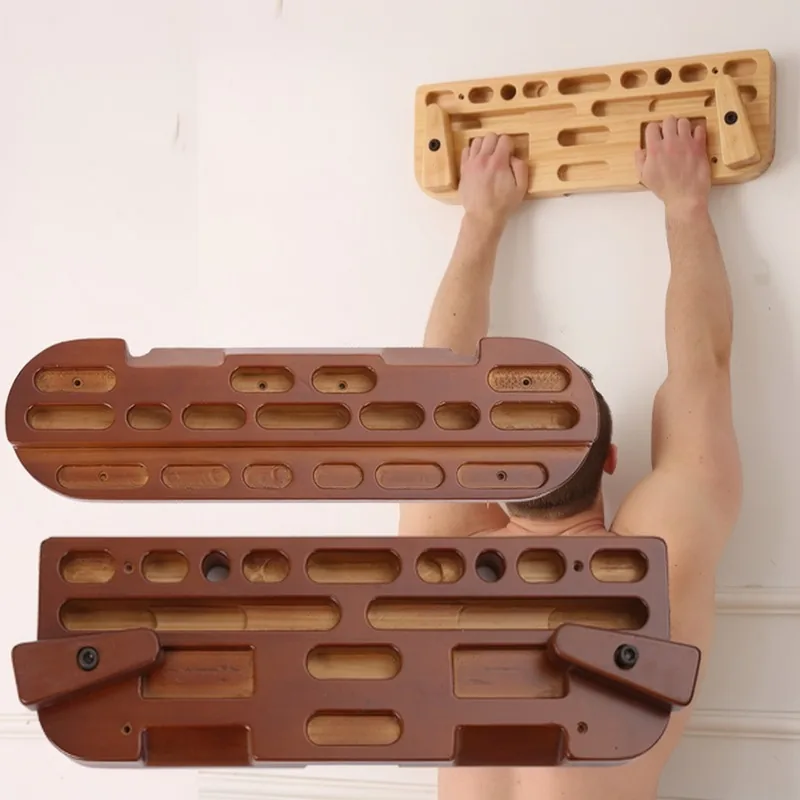
Portable Wooden Climbing Hangboard
This portable wooden climbing hangboard is designed for finger, grip, and upper-body strength training, directly matching the article's focus on beginner hangboard use.
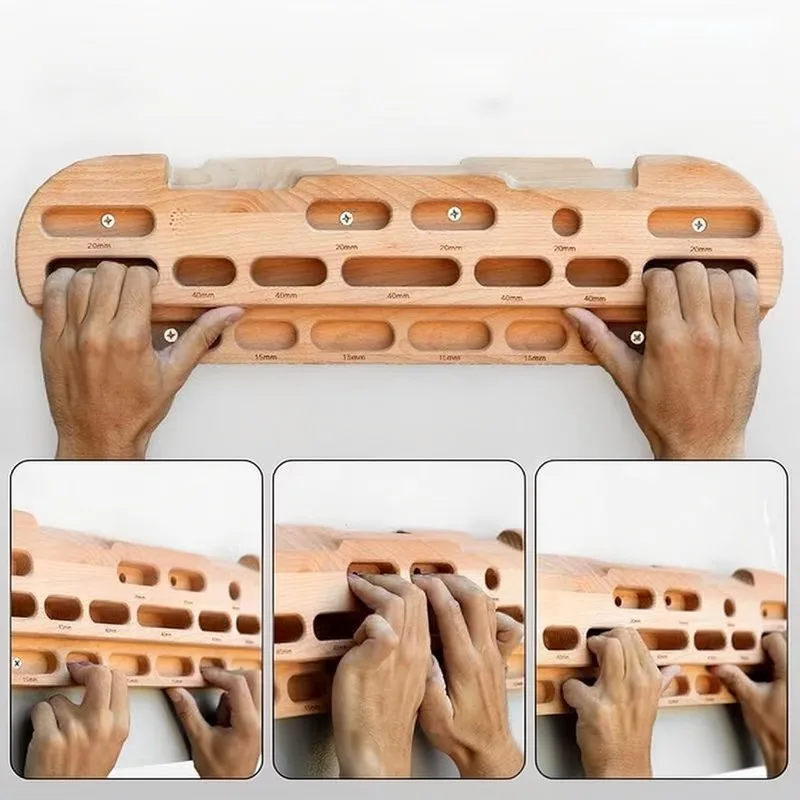
Wooden Hangboard for Finger Strength Training
The smooth maple hangboard offers multiple edge depths and sloper slots, ideal for beginners seeking safe, progressive finger strength training as described in the article.
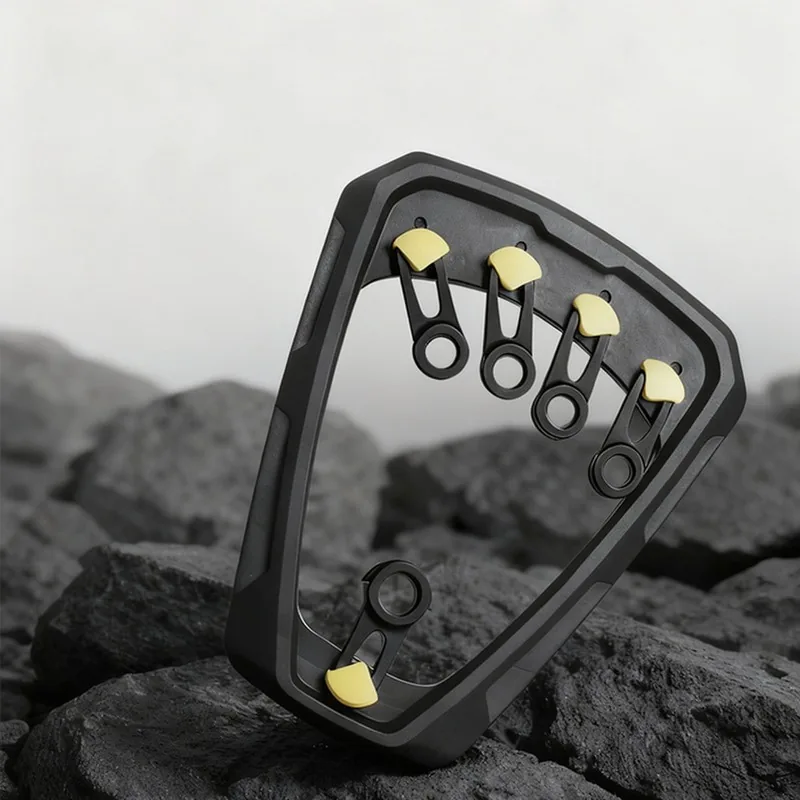
3-Level Adjustable Rotating Finger Strength Trainer
The 3-level adjustable rotating finger strength trainer targets finger and forearm strength, supporting the article's emphasis on grip improvement for new climbers.
Related reading

The Effects of Using a Hangboard to Strengthen Your Muscles
Hangboards are effective tools for building grip and upper body strength, especially for climbers and fitness enthusiasts training…Best Gifts for Rock Climbers: Practical Picks for Strength and Training
Selecting the best gifts for rock climbers involves understanding their training needs and the tools that can help…The Beginner’s Guide to Hangboards: How to Start Safely and Avoid Injury
Hangboards are an effective tool for building climbing grip strength, but beginners should approach training with care to…