









How to Choose the Right TRX System for Your Needs
Selecting the right TRX system depends on your fitness goals, usage frequency, and need for durability. The TRX PRO4 System suits professionals and serious users with its robust build, while recreational users may benefit from lighter models. Understanding mounting requirements and grip patterns helps ensure optimal workouts and long-term satisfaction.
You’ve probably seen TRX suspension trainers advertised everywhere, but actually picking the right one feels confusing. With so many models, price points, and bundles, it’s hard to know what’s essential and what’s just marketing. Maybe you’re worried you’ll overspend on features you won’t use, or end up with a system that’s too complicated to set up in your apartment. If you’re new to home fitness, the fear of making the wrong choice can feel overwhelming—especially when you’re trying to invest in equipment that fits your goals and lifestyle.
You want something reliable and safe, but you don’t want to waste days comparing dozens of options or reading technical jargon. It’s frustrating when every brand claims their TRX system is “perfect for beginners,” yet doesn’t explain what actually matters for someone just starting out. Understanding how to choose the right TRX system for your needs isn’t just about price or popularity—it’s about finding a setup that matches your space, fitness level, and commitment. Before you spend your hard-earned money, it’s crucial to know what a TRX system really is and how it works, so you can make a confident decision.
- Match your TRX system to fitness goals and experience
- TRX PRO4 offers durability for professional use
- Check mounting requirements before buying
- Grip patterns influence workout versatility
- Prioritize build quality for frequent training
What is a TRX System and How Does It Work?
TRX systems use your own bodyweight as resistance through a method called suspension training. You perform exercises using a set of adjustable straps, which attach to a secure anchor point above you—like a door, ceiling mount, or sturdy outdoor structure. The straps allow you to adjust your body angle to increase or decrease the difficulty, making the workout accessible for all fitness levels.

Most TRX setups, including the popular TRX PRO4 System, feature two adjustable straps with handles and foot cradles. You’ll also find mounting anchors in the kit, giving you options to install the system in a doorway, on a wall, or even a ceiling. The straps typically extend up to 6 feet and support loads over 350 pounds, providing stability and safety for a wide range of movements.
Exercises on a TRX system target major muscle groups—especially your core, back, legs, chest, and shoulders. A basic routine might include 10–15 reps of TRX rows, squats, atomic push-ups, or planks. Because you can quickly change positions and strap length, you can transition smoothly between strength moves, balance drills, and flexibility stretches, all in one session of 20 to 40 minutes.
Balance and core stability are at the heart of suspension training. The instability of the straps forces your body to engage small stabilizing muscles, especially in your midsection and hips. Every move, from lunges to mountain climbers, turns into a total-body exercise. This makes TRX workouts extremely efficient, especially if you’re short on time or space.
Portability is a standout feature. Most TRX kits weigh less than 2 pounds and pack down into a small mesh bag. You can set up a TRX system in your living room, backyard, hotel room, or even a park, as long as you have a safe anchor point at least 7 feet off the ground. This flexibility makes it easy to keep up your fitness routine if you travel or lack a dedicated workout room.
When you’re learning how to choose the right TRX system for your needs, start by thinking about where you’ll use it and how much space you have. If you plan to exercise outdoors, look for a kit with a universal anchor. For home use, a door anchor might be all you need. Avoid common mistakes like mounting the system on weak surfaces or failing to check the weight rating of your anchor point—safety always comes first.
Some beginners assume you need a lot of upper body strength to start with a TRX, but that’s not true. You control the intensity by adjusting your body angle, so you can begin with gentle movements and progress as you gain strength. Stick with 2–3 sessions per week, and you’ll notice improvements in muscle tone, posture, and flexibility within your first month.
How to Identify Your Fitness Goals Before Choosing
Before you decide which TRX system fits your needs, spend a few minutes thinking about your primary fitness goals. Are you aiming to build strength, boost endurance, or improve flexibility? These goals will shape the features and durability you need from your TRX system. For example, if your focus is on strength training, you'll want a system that supports heavier loads and more intense, dynamic exercises.

If your goal leans toward endurance or flexibility, a basic TRX model can often do the trick. You might use the straps for longer sessions—think 30 to 40 minutes—focusing on higher-rep sets (15 to 20 reps per exercise) or slow, controlled movement for stretching. For these purposes, a lightweight and portable TRX system offers plenty of variety without extra features that add cost or complexity.
How often you plan to use your TRX system also matters. Are you training three days a week, or will the straps see daily action? Professional trainers or dedicated home users who schedule five to six sessions per week should look for a model built for frequent, heavy use. The TRX PRO4 System, for example, is designed for higher durability and can withstand repeated, intense sessions, making it ideal for pros or anyone who wants long-term reliability.
On the other hand, if you're just starting your fitness journey or want to try bodyweight training at home, you don't need the most advanced or expensive option. Many entry-level TRX systems offer all the essential functions for foundational exercises like rows, squats, and planks. This means you can set up in your living room and follow 20-minute beginner routines without worrying about complicated adjustments or extra accessories.
Assessing your intended workout intensity will help you avoid common mistakes, such as buying a top-tier system for occasional use or choosing a basic model that can't handle your progression. If you plan to progress to single-leg squats or explosive movements, make sure your system can handle higher forces and heavier body weights (up to 350 pounds is standard for durable models). Beginners often overlook these details and end up upgrading sooner than expected.
Consider where you'll anchor the straps and whether you'll need portability for travel or outdoor workouts. If you plan to mount your TRX in a garage or studio, durability and secure anchoring take priority. For those who want flexibility to train in parks or hotel rooms, look for models with door anchors and quick-adjust buckles.
Once you clarify your goals and usage patterns, choosing the right TRX system becomes much simpler. You’ll know whether higher durability, portability, or added features like adjustable foot cradles are must-haves or just nice extras. This focused approach prevents overspending and ensures your new TRX system truly matches your fitness ambitions.
"A TRX system can be used almost anywhere if you have the right mounting equipment."Waar
This is true. TRX systems are designed to be portable and can be anchored to doors, beams, or outdoor structures if you use the correct mounting hardware. Always follow manufacturer guidelines for safe installation.
"All TRX systems are equally durable regardless of model."Onwaar
This is false. The TRX PRO4 System is specifically built for professional use and offers enhanced durability compared to lighter, recreational models. Choosing the right model affects longevity, especially with frequent use.
Which Mounting Options and Grip Patterns Should You Consider?
When you’re deciding how to choose the right TRX system for your needs, mounting options and grip patterns play a critical role in both safety and workout variety. Your training space will dictate whether you can install a permanent anchor or need a temporary solution. Permanent wall or ceiling mounts provide unmatched stability for heavy use—ideal if you plan to perform high-intensity sessions multiple times a week, or if you want the security of a fixed setup. However, if you’re working out in a rented apartment or want flexibility to train outdoors, a door anchor or portable mounting strap may be your best option. Door anchors are quick to install and remove, usually in under two minutes, but make sure your door closes securely and can handle the force of suspension exercises without wobbling.

Proper mounting ensures the TRX system remains stable during movements like rows, push-ups, or jump squats. If the anchor isn’t set up according to manufacturer instructions, you risk injury or damaging your space. For example, never use a door anchor on hollow-core doors—they can crack or break under load. Always check the maximum weight rating for your chosen mount, especially if your body weight is above 220 pounds or you plan to add explosive movements. The TRX PRO4 System is designed for professional durability, which means it’s compatible with heavy-duty anchors and frequent use. If you’re unsure about installation, consult official TRX guides or a local handyman to ensure your mount can handle the stress of daily workouts.
Grip patterns on the TRX handles can significantly affect your comfort and exercise versatility. Textured, rubberized grips offer better control for sweaty hands and reduce slippage during high-rep sets—think 20-30 rows or 15 single-leg squats. Some systems feature wider handles, while others use a narrower profile. Choose a handle size that fits your hand without forcing your fingers to stretch or bunch; this prevents fatigue and wrist strain. If your hands are smaller, look for a system with slim grips. For larger hands or heavier lifts, opt for thicker, cushioned handles to minimize pressure points when gripping for 30-45 second holds.
Grip variation also impacts which exercises you can perform comfortably. Rotating handles allow for natural wrist movement, ideal for exercises like triceps extensions or chest flys. Fixed handles are best for stability during pull-ups or plank variations. If you plan to use your TRX for both strength and flexibility work, select a system with adjustable or multi-grip handles. Avoid systems with slippery or hard plastic grips, which can cause blisters after a single 40-minute session. Before buying, try out different grip types at a local fitness store if possible, or check reviews for real user feedback on comfort and durability. Matching the grip and mount to your training needs will set you up for safe, comfortable, and effective workouts every time you strap in.
Is the TRX PRO4 System Right for You?
If you’re wondering whether the TRX PRO4 System is the right pick for your fitness routine, start by thinking about how often you’ll use your suspension trainer and the intensity you expect. The TRX PRO4 System is specifically built for professionals and those who train frequently, whether you’re a personal trainer, operate a gym, or you’re an advanced user who works out five or more times per week. Its enhanced durability means you can count on the straps, handles, and anchors to withstand heavy daily use without fraying or losing tension. If you expect to put your system through dozens of sessions every month, the PRO4’s reliable performance stands out from lighter, entry-level models.

The PRO4 System uses high-quality materials designed to take regular punishment in commercial settings. The carabiners are heavy-duty, the handles are textured and easy to disinfect, and the stitching is reinforced for extra longevity. This isn’t just a marketing claim—the difference is noticeable when you handle the straps side by side with a basic home kit. For example, if you’re coaching multiple clients a day or teaching group classes, you need equipment that won’t wear out after six months. The TRX PRO4 is built to last through hundreds of sessions, which can save money and hassle in the long run.
Advanced users will also appreciate the small details. The PRO4 features adjustable foot cradles and a locking loop design to keep the straps even during fast transitions. If you’re integrating advanced moves like single-leg pistol squats, atomic push-ups, or row variations with a weighted vest, the system’s stability and grip become crucial. Many casual users don’t realize how much smoother a set feels with the right hardware—especially when you’re doing 4-5 sets of high-rep circuits or timed intervals like three-minute rounds.
However, if your workouts are more casual—for example, two or three sessions a week at home, mostly bodyweight movements, and no group training—it’s worth considering a lighter TRX model. The TRX GO or HOME2 systems are less expensive (usually $150-$200 vs. the PRO4’s higher price tag) and lighter for easy setup and storage. These still support a full range of suspension exercises, but you might not need the extra durability or commercial-grade features. Think about your actual usage: is your suspension trainer a core tool or an occasional add-on?
One common mistake is overbuying for occasional use. If you only plan to do a 30-minute TRX workout once or twice a week, the PRO4’s durability advantage won’t matter much, and you can save money with a simpler kit. On the flip side, if you upgrade your routine and start training more seriously, cheaper straps might wear out or feel less stable. Make sure your investment matches your real needs—not just your aspirations for an ideal fitness schedule.
To sum up, the TRX PRO4 System is ideal if you’re a trainer, gym owner, or advanced user demanding daily durability and professional-grade reliability. For most home fitness fans doing lighter routines, a less rugged TRX model can do the job for a lower price. Look at your current habits, not just your goals, and match your TRX system to how you’ll actually use it week to week.
"Grip pattern choice can influence workout comfort and effectiveness."Waar
This is true. Grip patterns and handle materials affect how you perform exercises, particularly during longer sessions. Selecting grips that suit your hand size and preferred workout style can improve comfort and reduce fatigue.
"Beginners need the most advanced TRX model for optimal results."Onwaar
This is false. Beginners often benefit from simpler models that offer essential features without unnecessary complexity. Advanced models like TRX PRO4 are best suited for professionals and high-frequency users.
What Should You Look for in a TRX System?
When you’re deciding how to choose the right TRX system for your needs, start by comparing the build quality. If you plan to train often or push your limits, look for high-grade materials and reinforced stitching. The TRX PRO4 System, for example, is built for professional use and can handle frequent, intense workouts. If you’re shopping for a more casual setup, lighter models may suffice, but durability is still key—flimsy straps can fray or snap after repeated use.
Warranty coverage signals how much confidence the manufacturer has in their product. Most reputable TRX systems offer at least a one-year warranty, but some premium models extend to two years or more. Read the warranty details carefully; some only cover manufacturing defects, while others include wear and tear. If you plan to use your TRX outdoors or at the gym, robust warranty support can save you money and hassle down the line.
Portability matters if you want to train anywhere. Check the packed weight and carrying case—some travel systems weigh under two pounds and fit in a small bag, while pro-grade kits might weigh four pounds or more. If you commute or travel frequently, prioritize compact, lightweight options. For home use, a heavier system is fine, but make sure it’s easy to store and doesn’t take up unnecessary space.
Strap adjustability and anchor compatibility impact both safety and versatility. Adjustable straps let you fine-tune length for different exercises and user heights, improving form and reducing injury risk. Look for systems with easy-to-use cam buckles or locking mechanisms. Anchor compatibility is also essential: a universal anchor lets you attach your TRX to doors, beams, or outdoor structures. Some systems only work with specific mounts, so check before buying if you want flexibility.
User reviews offer insight into longevity and real-world issues. Scan for feedback on strap durability, hardware reliability, and ease of setup. If you see repeated complaints about fraying or hardware failures after 6-12 months, that’s a red flag. Positive reviews often highlight smooth adjustability, comfortable handles, and effective anchor solutions—these are signs you’re looking at a quality system.
Choose your TRX system based on your training environment and goals. If you have a dedicated workout space and want to build strength, a robust system like the TRX PRO4 is worth the investment. If you’re looking for occasional workouts or travel-friendly fitness, lighter, portable models will suit you. Think about the exercises you want to do—suspension trainers support everything from rows and squats to core work—so make sure your setup can handle your routine. Avoid buying a system that’s too basic if you plan to progress; upgrading later often costs more than getting the right kit upfront.
Before you finalize your purchase, double-check compatibility with your preferred anchors and ensure the straps adjust to your height and workout needs. Don’t overlook build quality for the sake of saving a few dollars—investing in the right TRX system now means safer, better workouts for years to come. If you’re still unsure, compare models side by side, read reviews from users with similar goals, and always ask about warranty terms. A careful choice will help you create a training environment that supports your fitness journey without unexpected setbacks.
Veelgestelde vragen
How much space do I need for a TRX system?
Most TRX systems require a clear area of at least 6 feet by 8 feet for safe movement. Ensure you have enough overhead clearance to avoid hitting objects during exercises.
Can I install a TRX system in a rental apartment?
Yes, many TRX systems offer door anchors that do not require permanent installation. Always check your lease agreement and use equipment that won’t damage walls or doors.
What is the difference between TRX PRO4 and other models?
TRX PRO4 is designed for professional use, featuring higher durability and robust components. Other models are lighter and may be better suited for casual or home users.
Are TRX systems safe for beginners?
TRX systems are safe for beginners when used correctly and anchored securely. Start with basic exercises and follow manufacturer instructions to reduce injury risk.
Do I need special shoes or equipment for TRX workouts?
No special shoes are required, but athletic footwear with good grip is recommended. You may also want a non-slip mat for added safety and comfort during certain exercises.
Gerelateerde producten
Praktische VVZIO-uitrusting die aansluit bij de trainingsfocus van dit artikel.
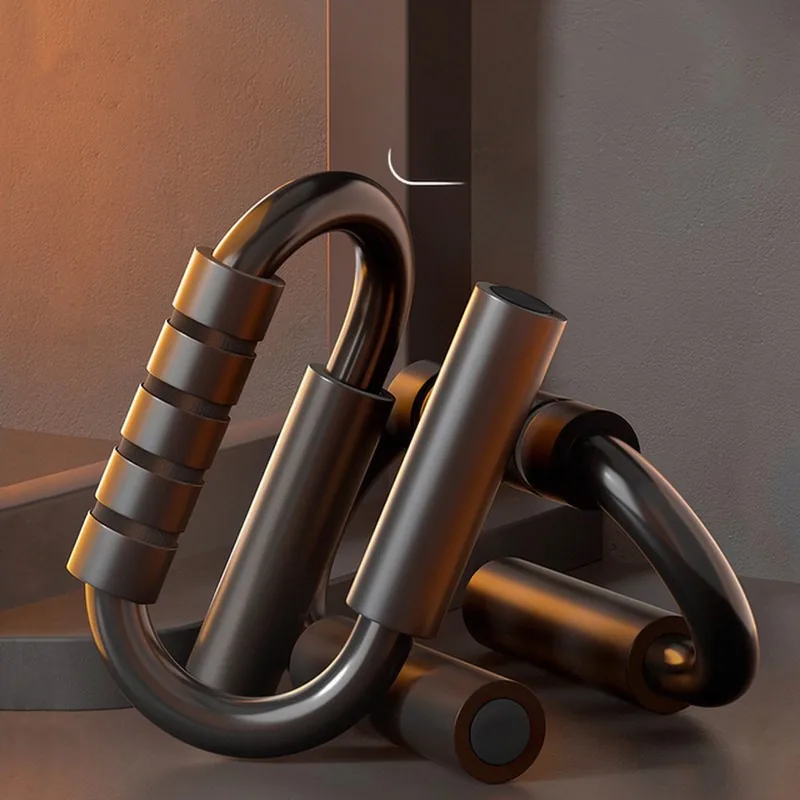
Ergonomische push-up bars voor borst en triceps
These ergonomic push-up bars complement TRX suspension training by providing wrist support and stability for bodyweight strength exercises targeting the chest and triceps.
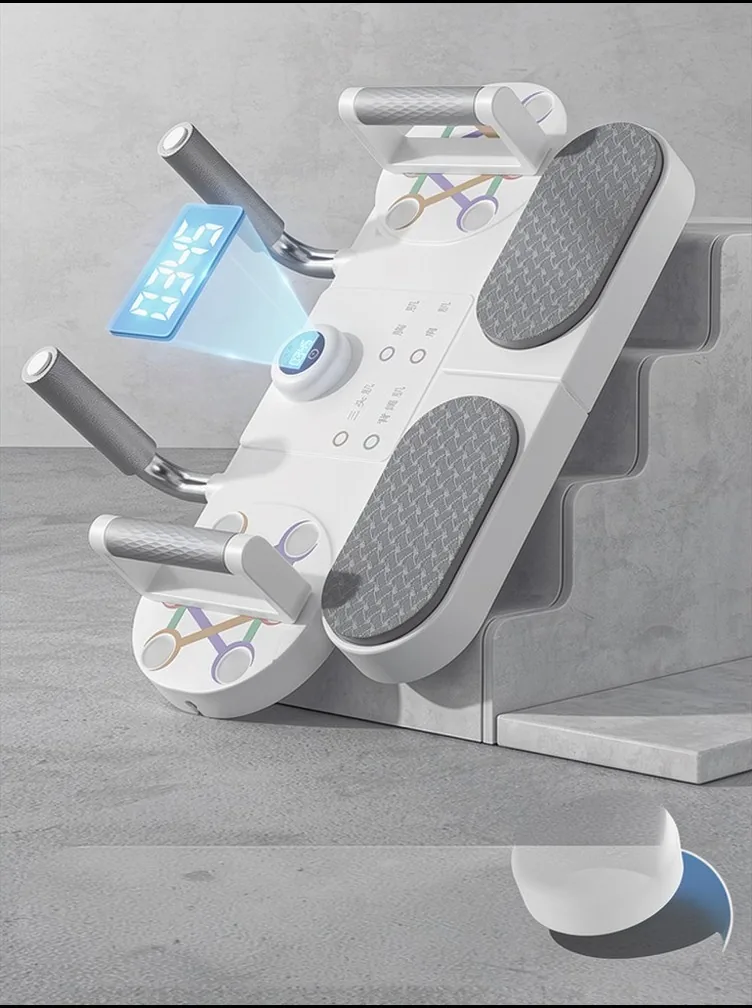
Multifunctioneel plank- en push-up trainingsbord
The multi-function plank and push-up training board targets core and upper body muscles, aligning with the TRX system’s focus on total-body and core stability workouts.
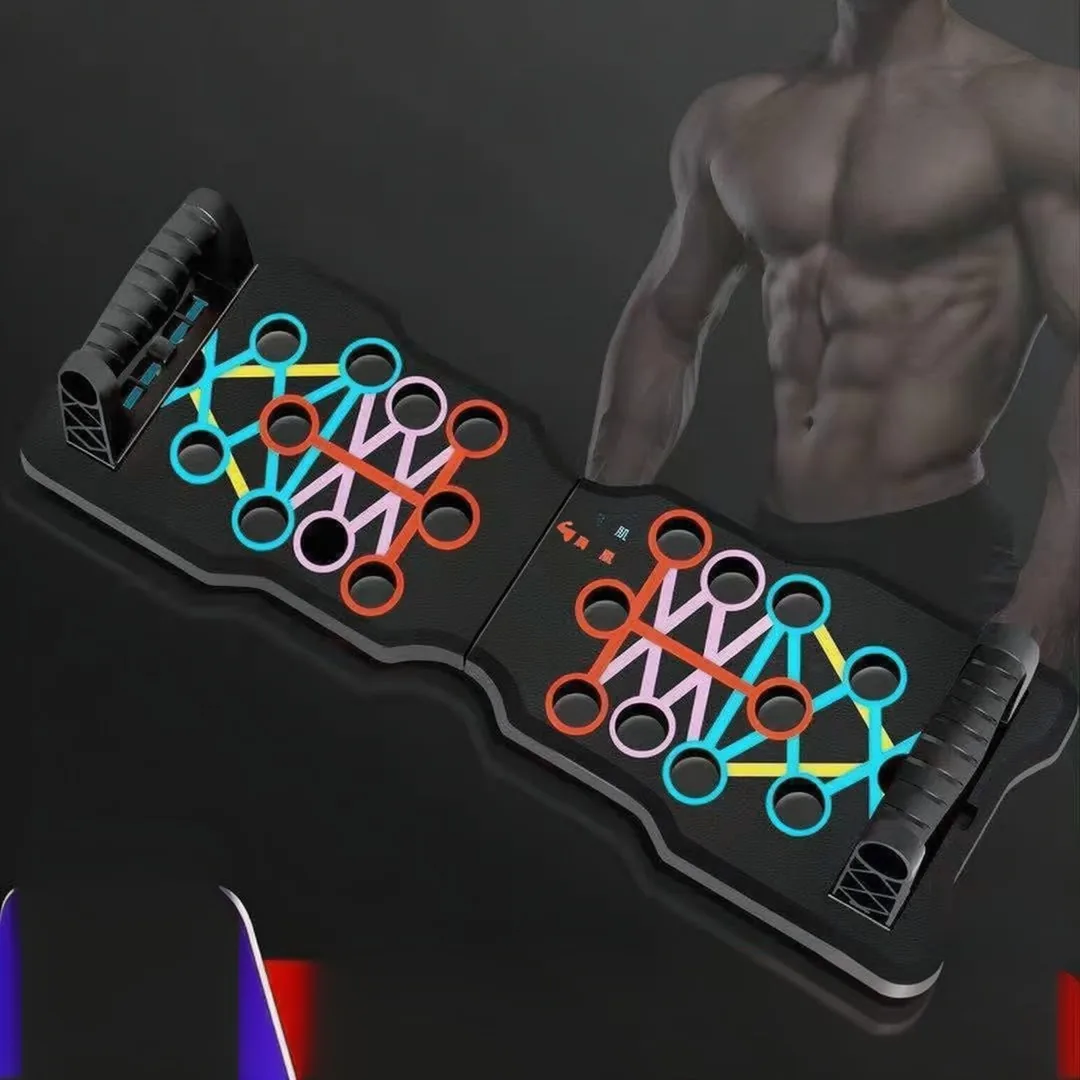
Multifunctionele Opdrukbordset met Trainingsaccessoires
This multifunctional push-up board set offers guided, bodyweight-based strength training for chest, shoulders, triceps, and back, matching the muscle groups and training style discussed in the TRX article.
Gerelateerde artikelen

Hangboardtraining: Het Ultieme Geheim voor Vooruitgang bij Klimbeginners
Hangboardtraining is een zeer effectieve manier voor beginnende klimmers om gripkracht op te bouwen en de vooruitgang te versnellen. Door…De rotswand binnen handbereik: hoe een hangboard je klimpotentieel ontgrendelt
Een hangboard biedt klimmers een praktische manier om gripkracht en vingeruithoudingsvermogen op te bouwen, beide cruciaal voor het aanpakken van…Belangrijkste kenmerken om op te letten bij klimhangboards
Het kiezen van het juiste klimhangboard kan je trainingseffectiviteit en comfort thuis aanzienlijk verbeteren. Belangrijke kenmerken zoals…